
Likely to sell out
2 - 4 hours·English, Spanish
4.9(317)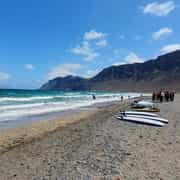
Lanzarote's First Surf School - 2-hour or 4-hour classes
Free cancellationSurfboardWetsuit
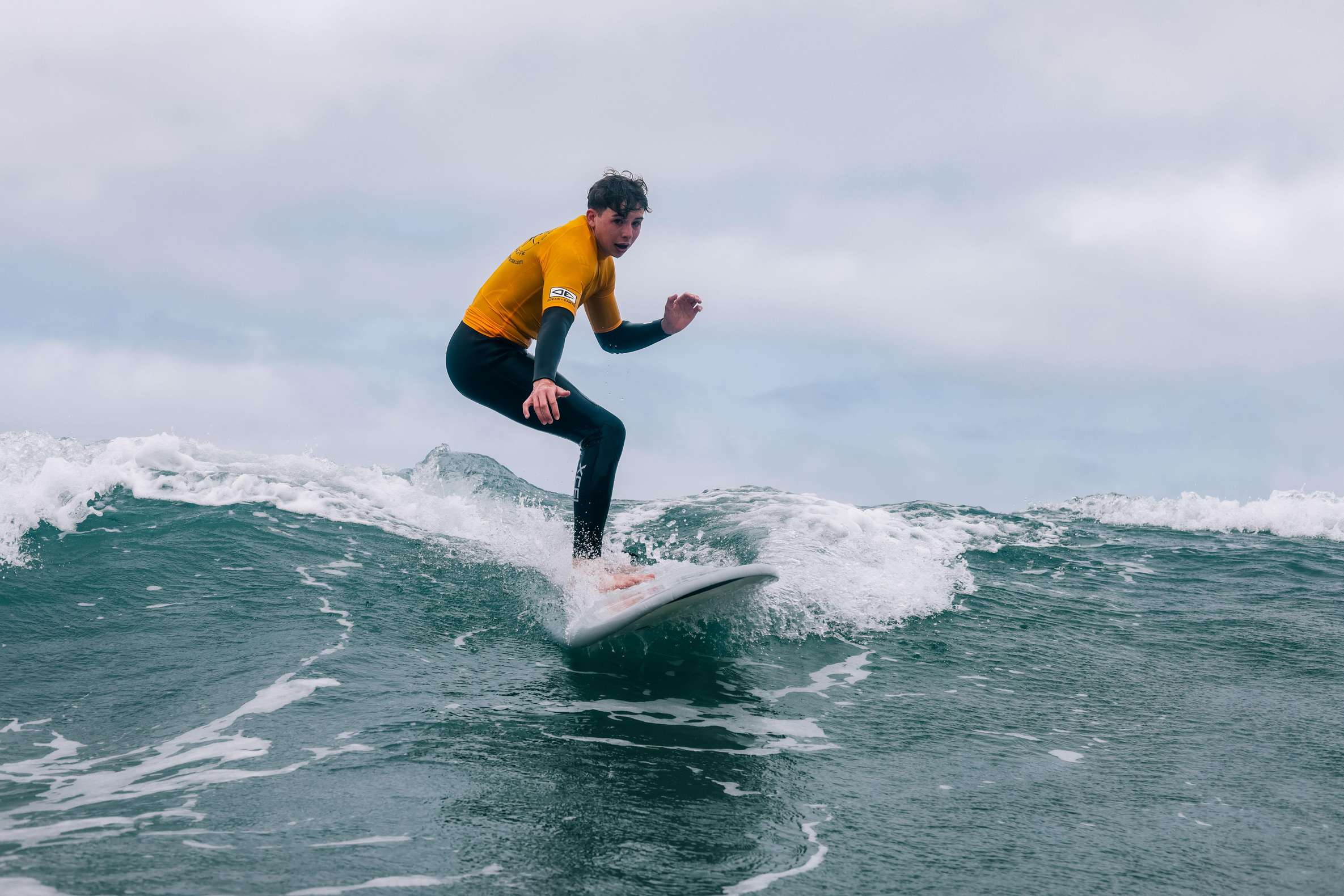
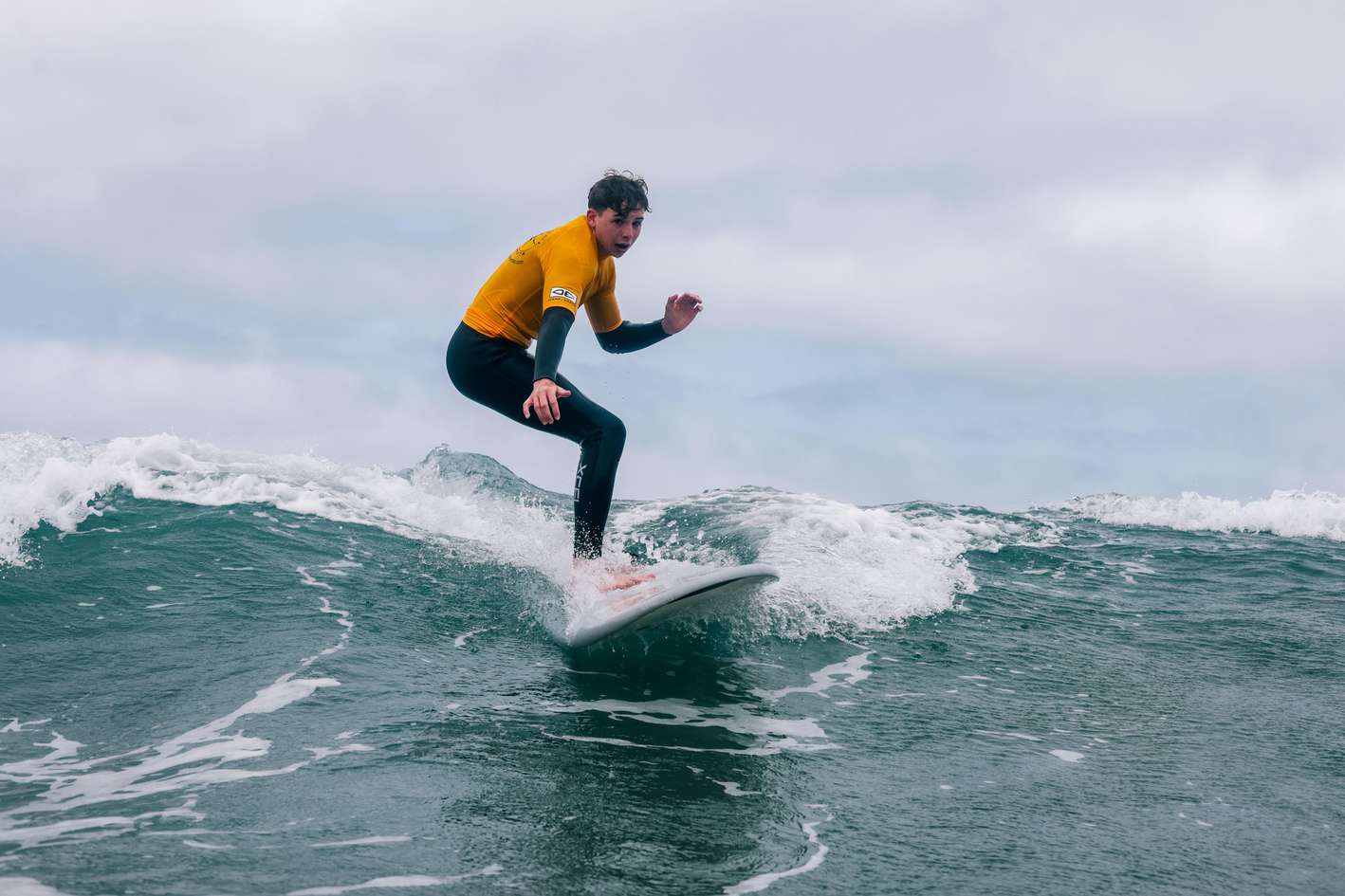
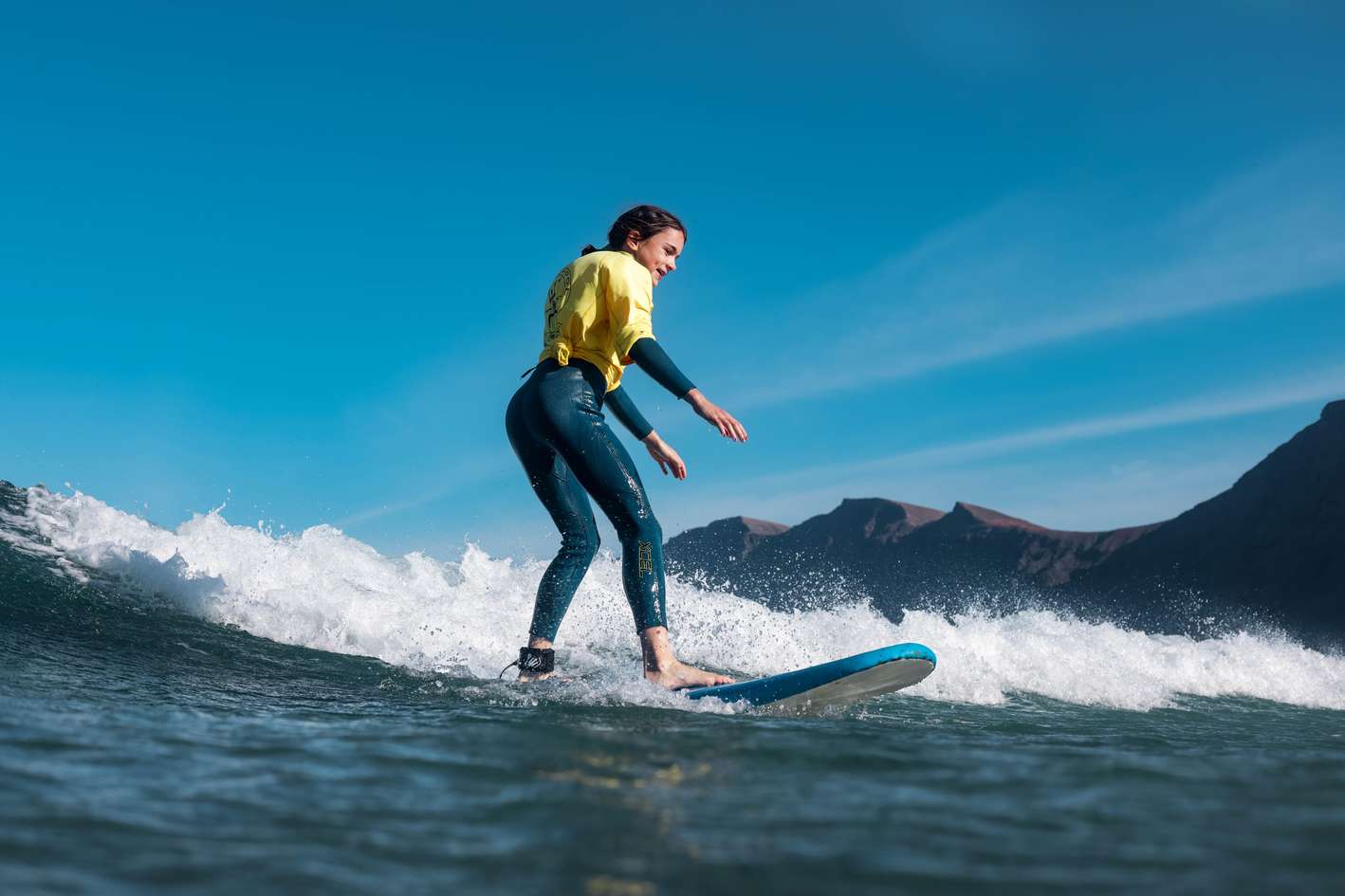
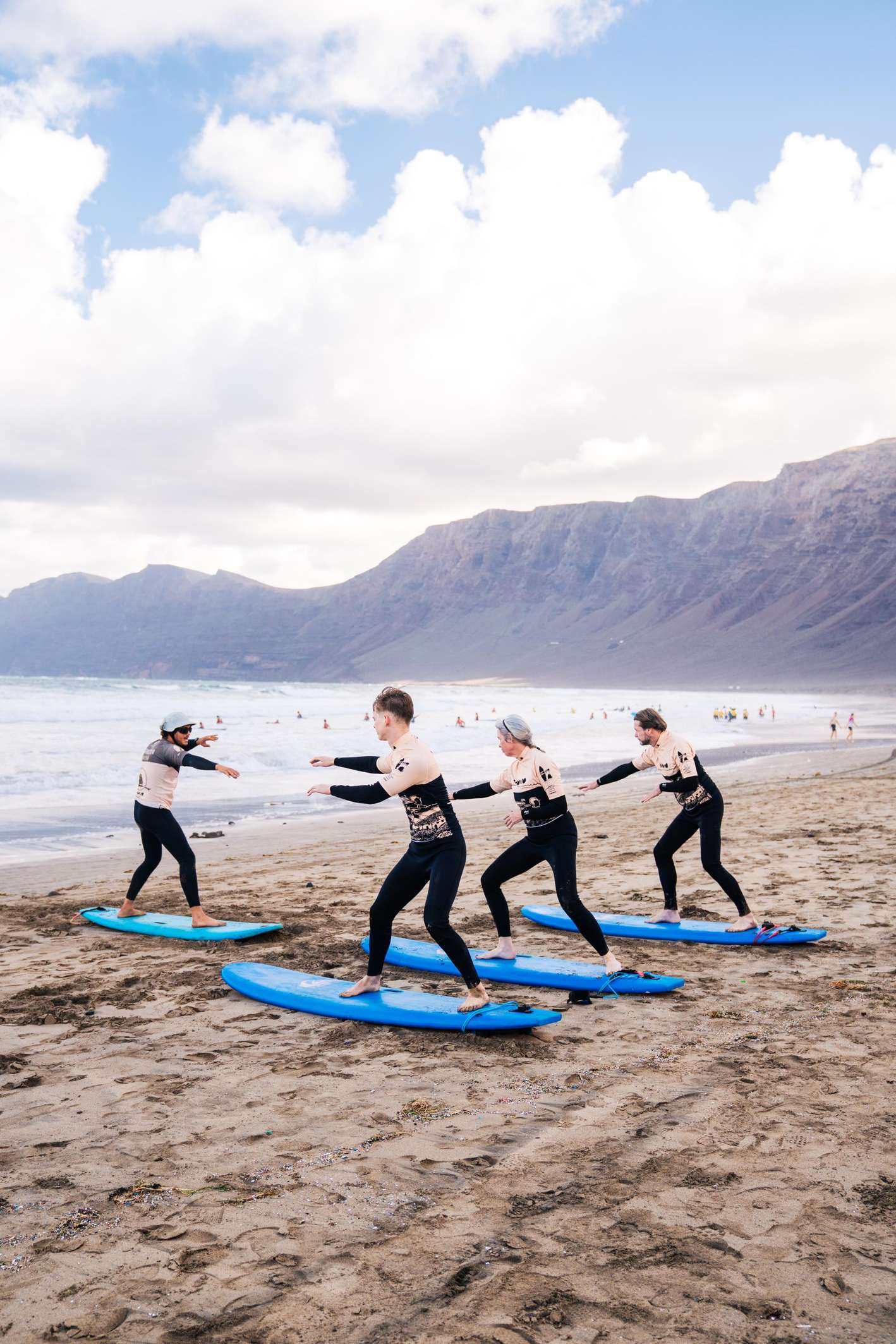
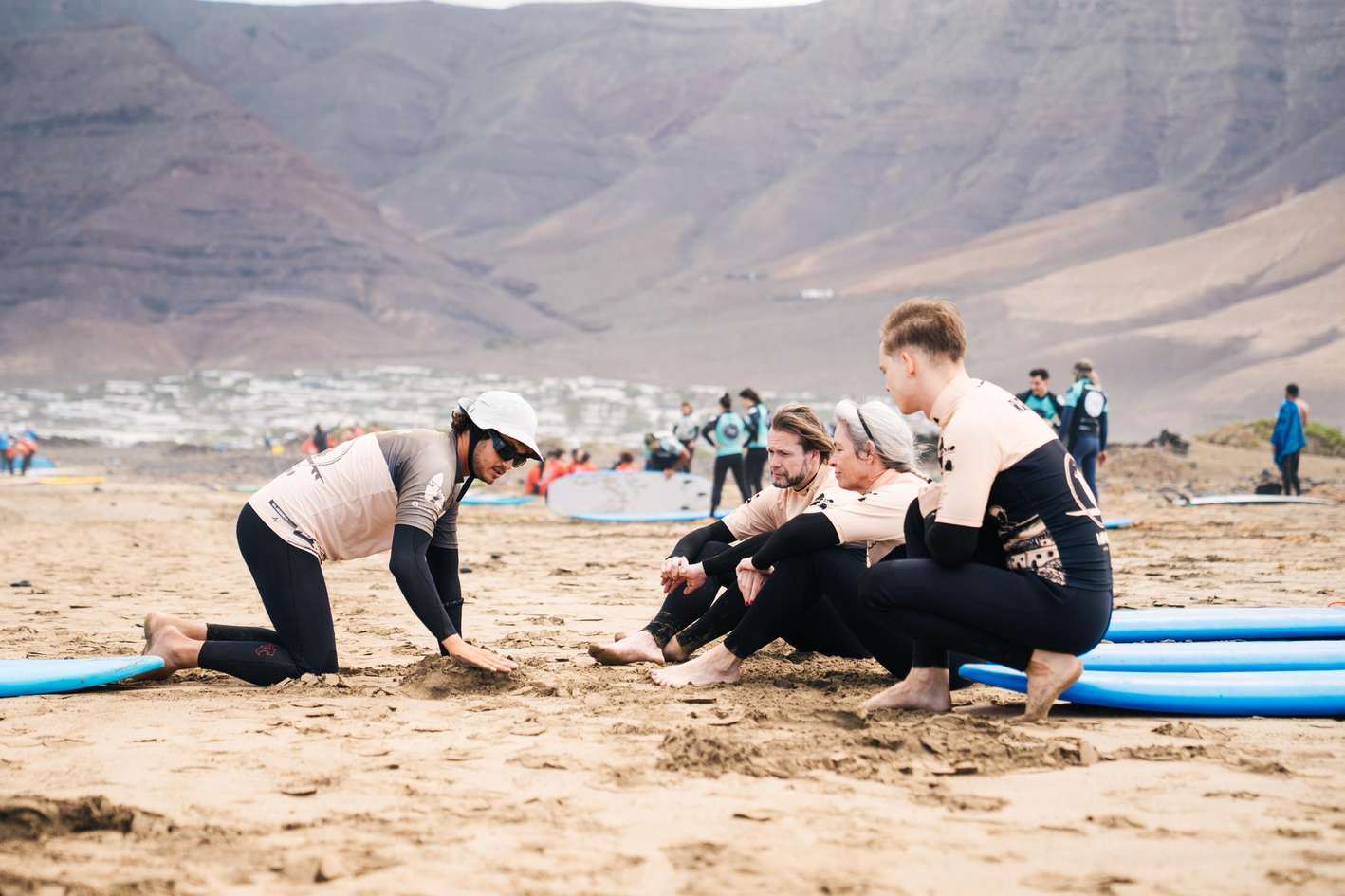
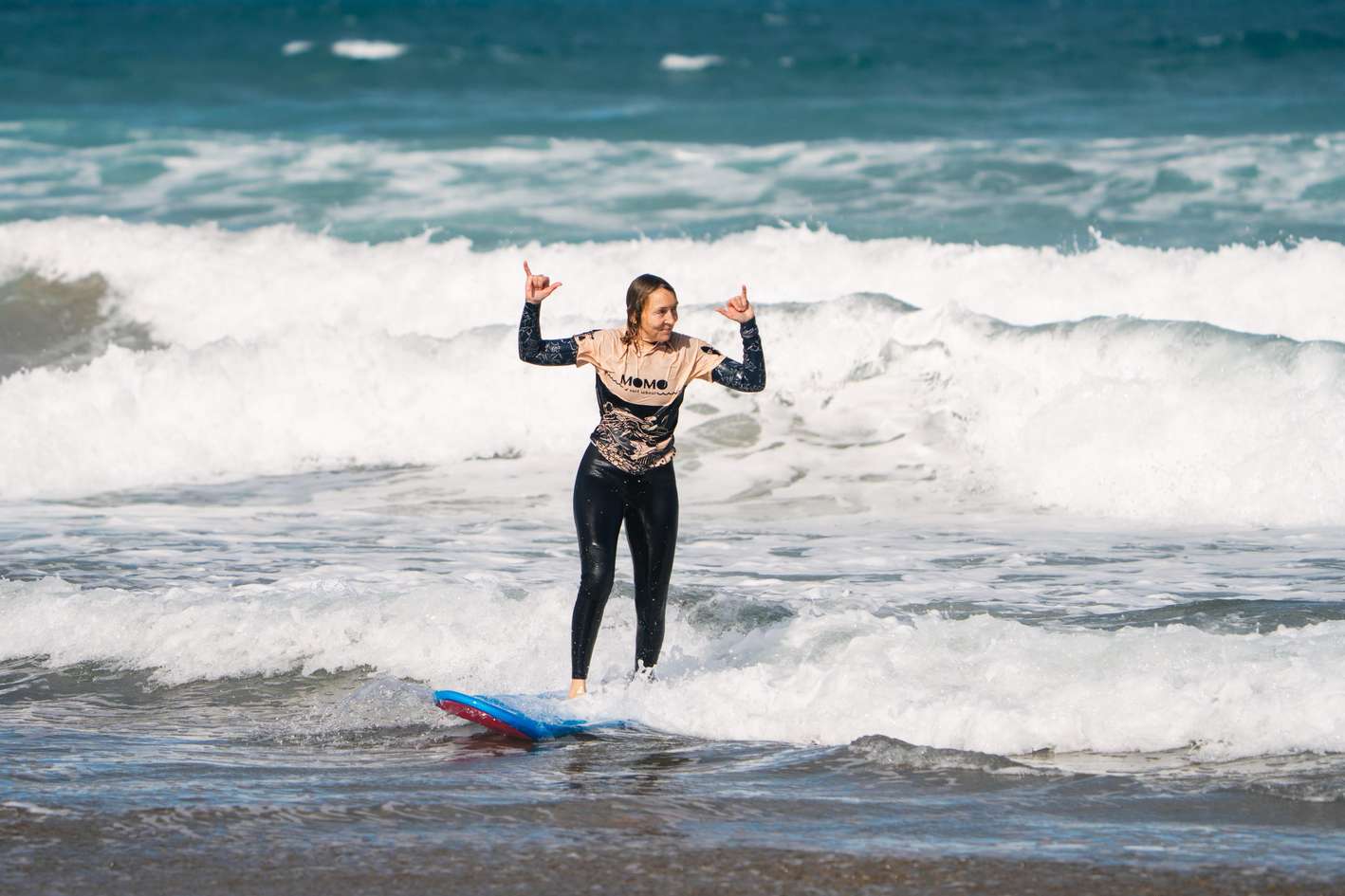
Learn to surf on clean Atlantic waves at Famara Beach. Book with a local school that has taught here for over 30 years - patient, hands-on coaching, small groups, and a board and wetsuit included, so you stand up on your first day without hauling your own gear.
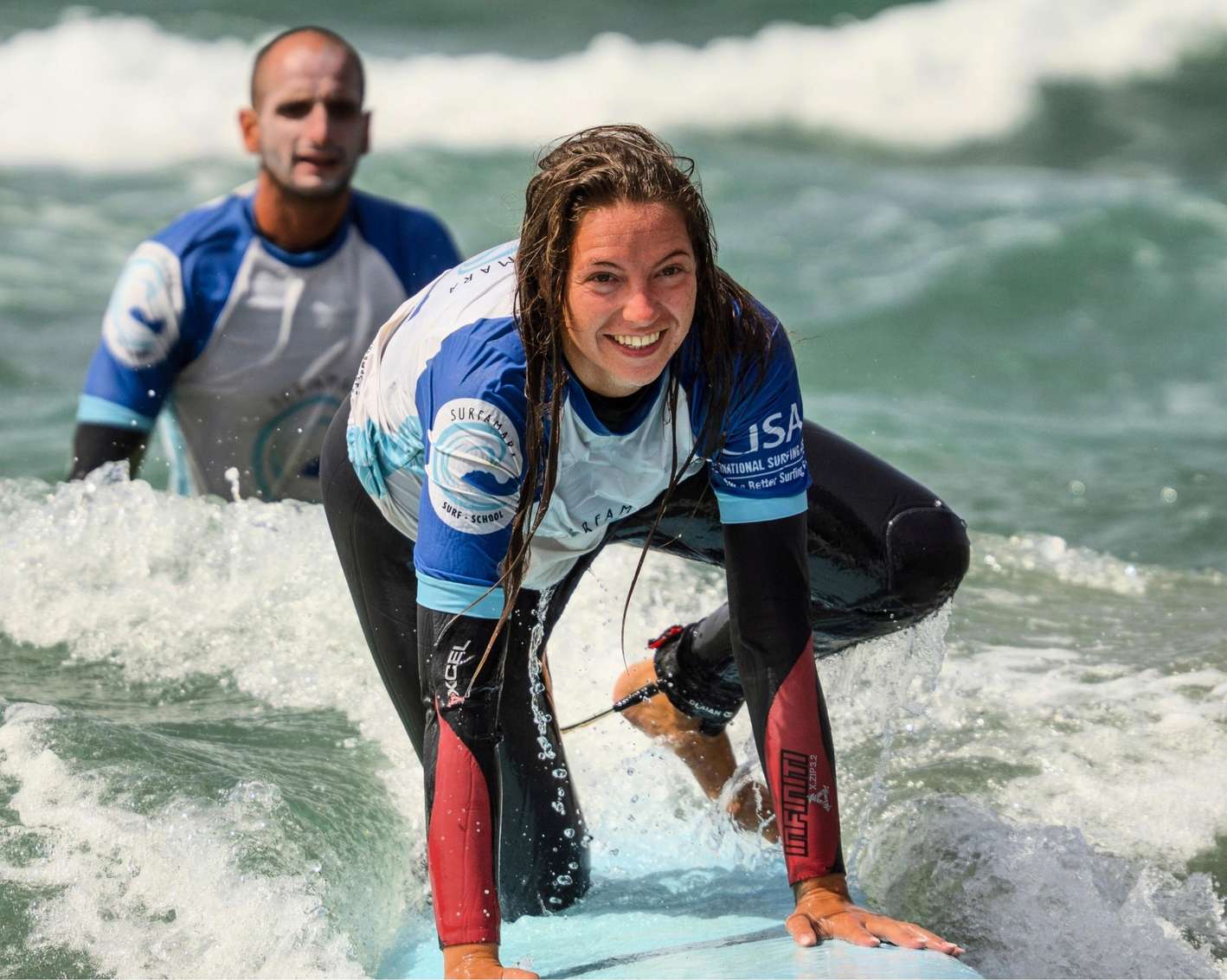
"My girlfriend and I had our first surf lesson in Famara. Mattia made us feel at ease right away despite never having surfed."
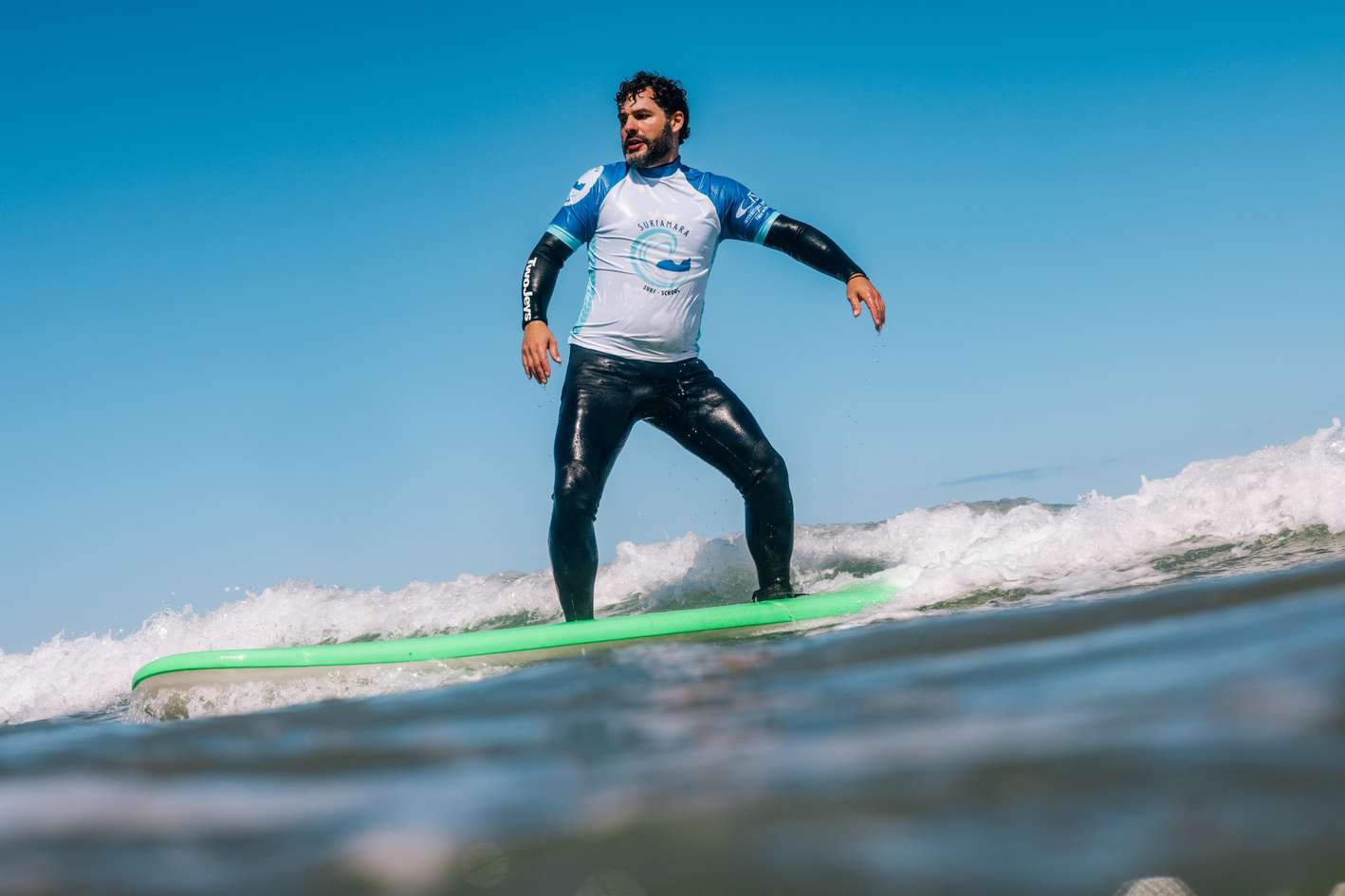
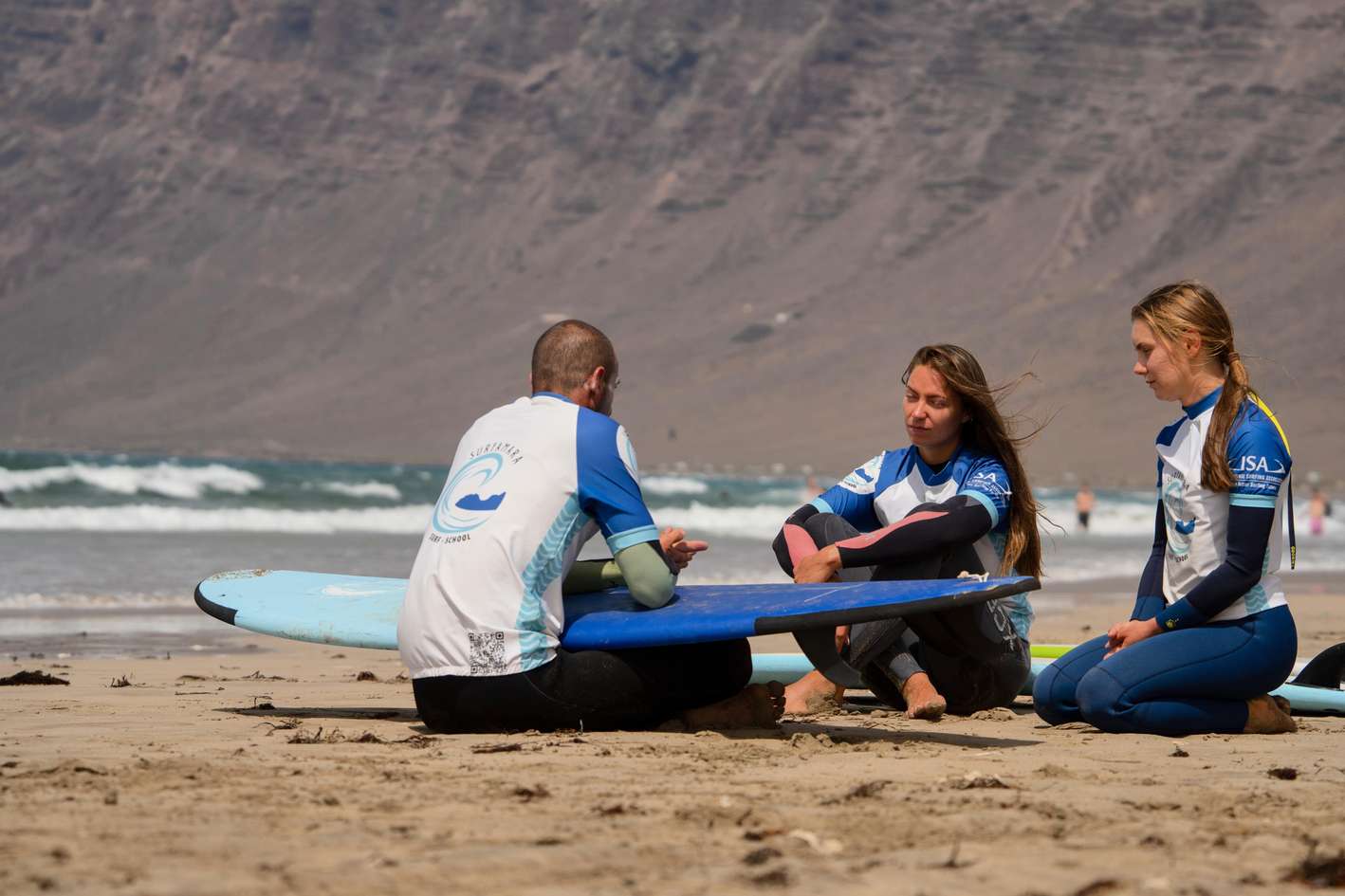
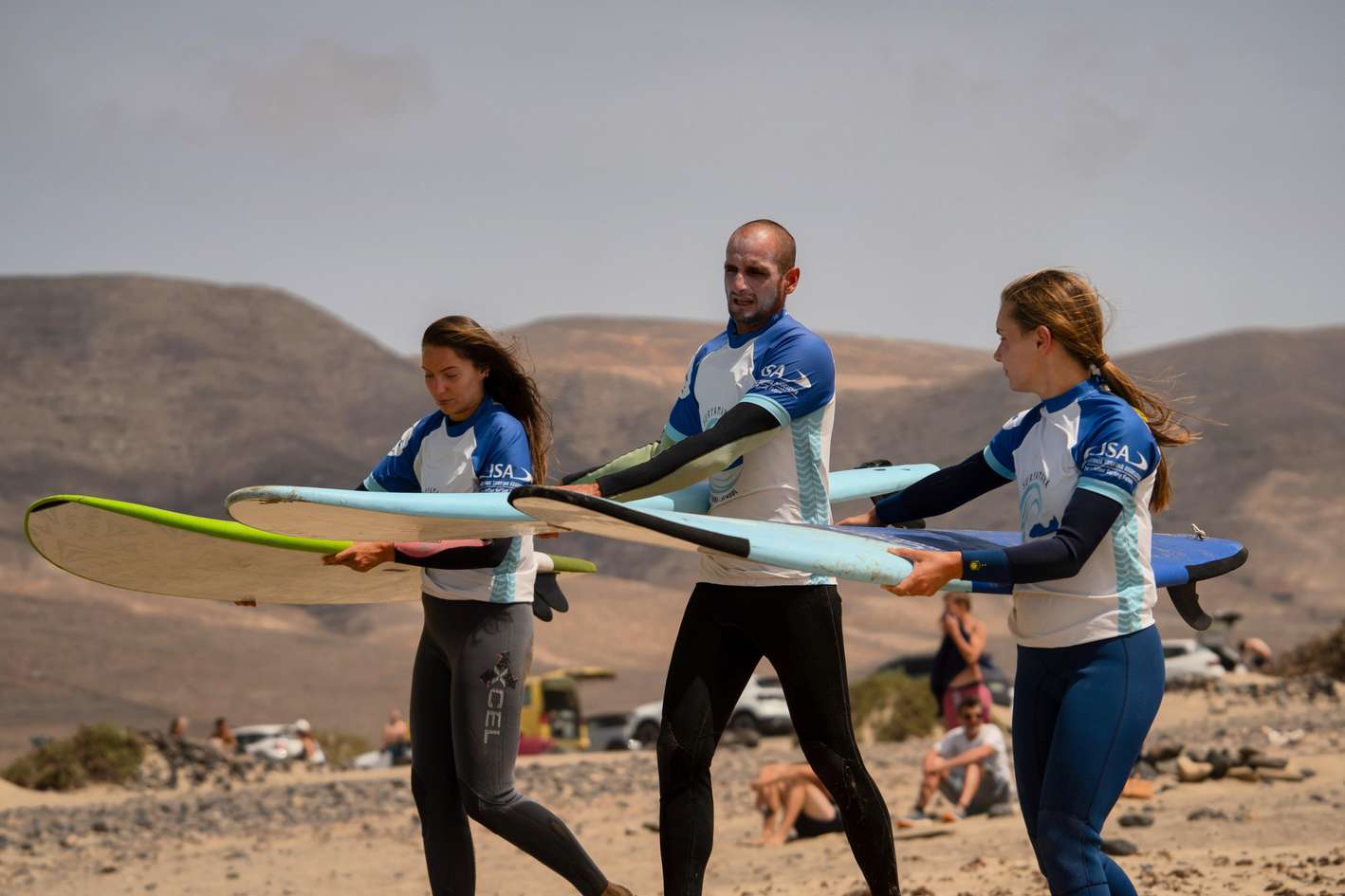
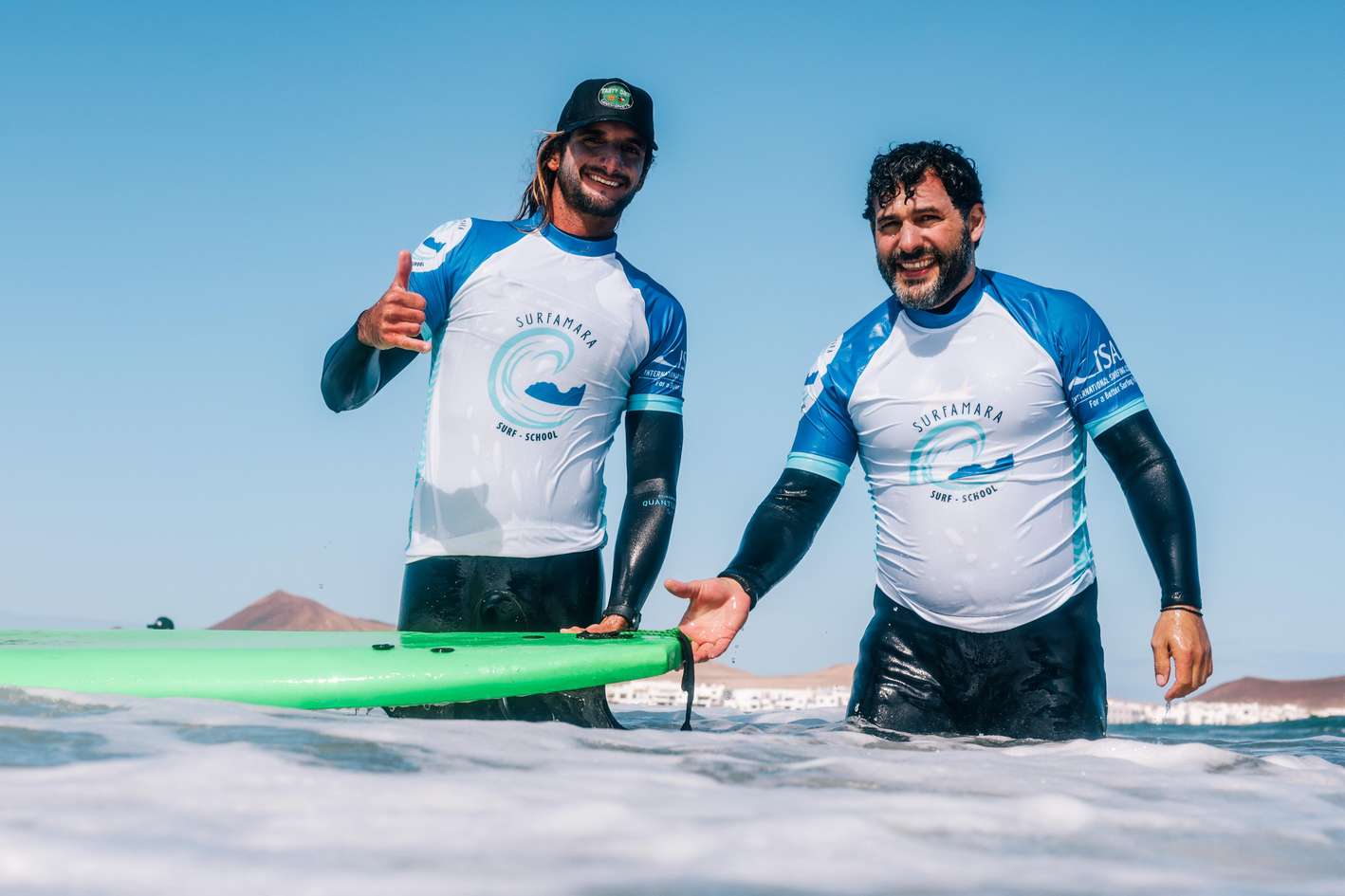
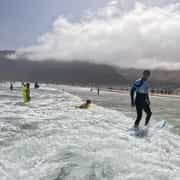
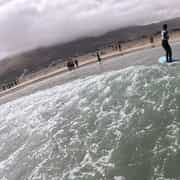
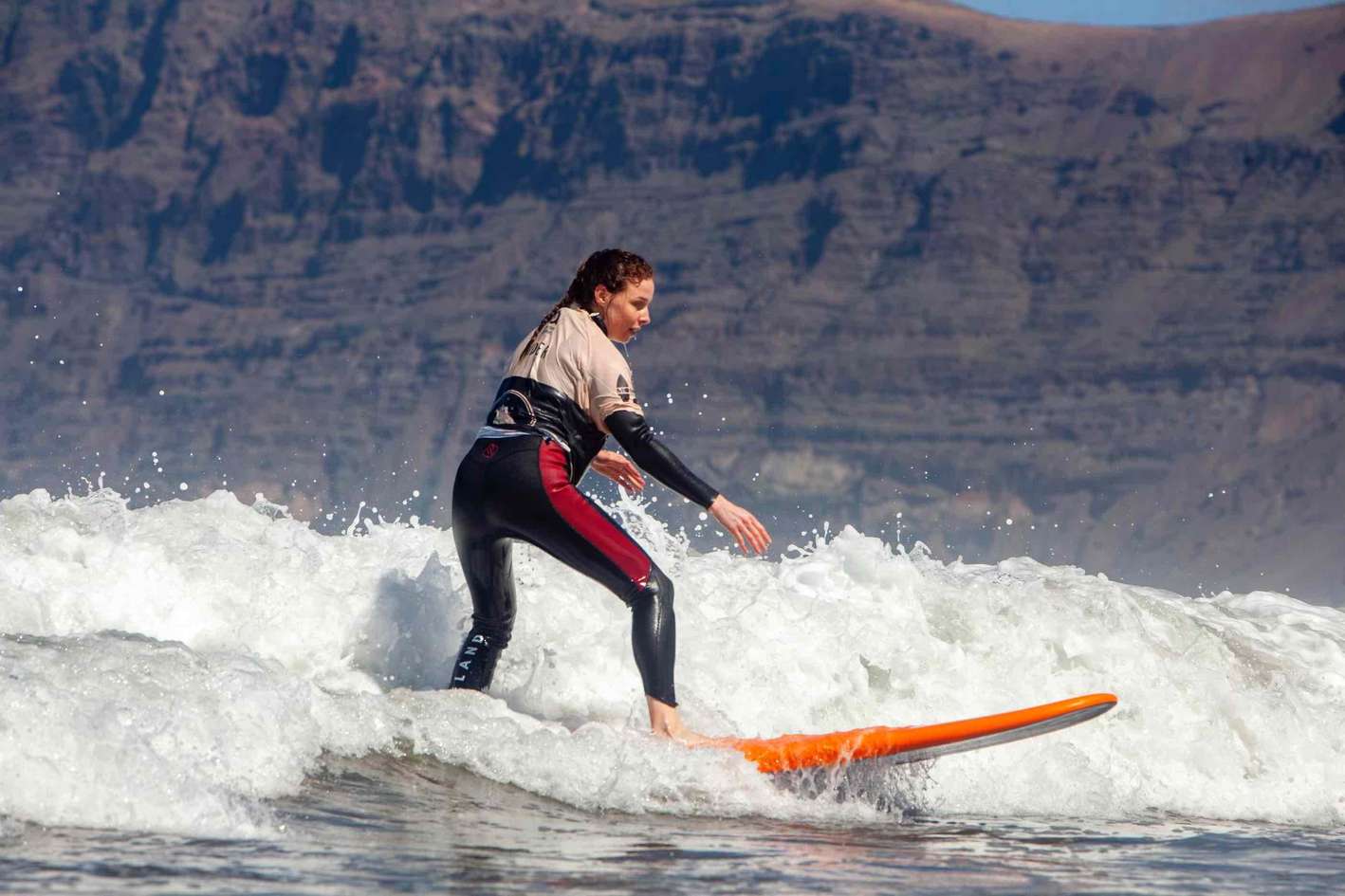
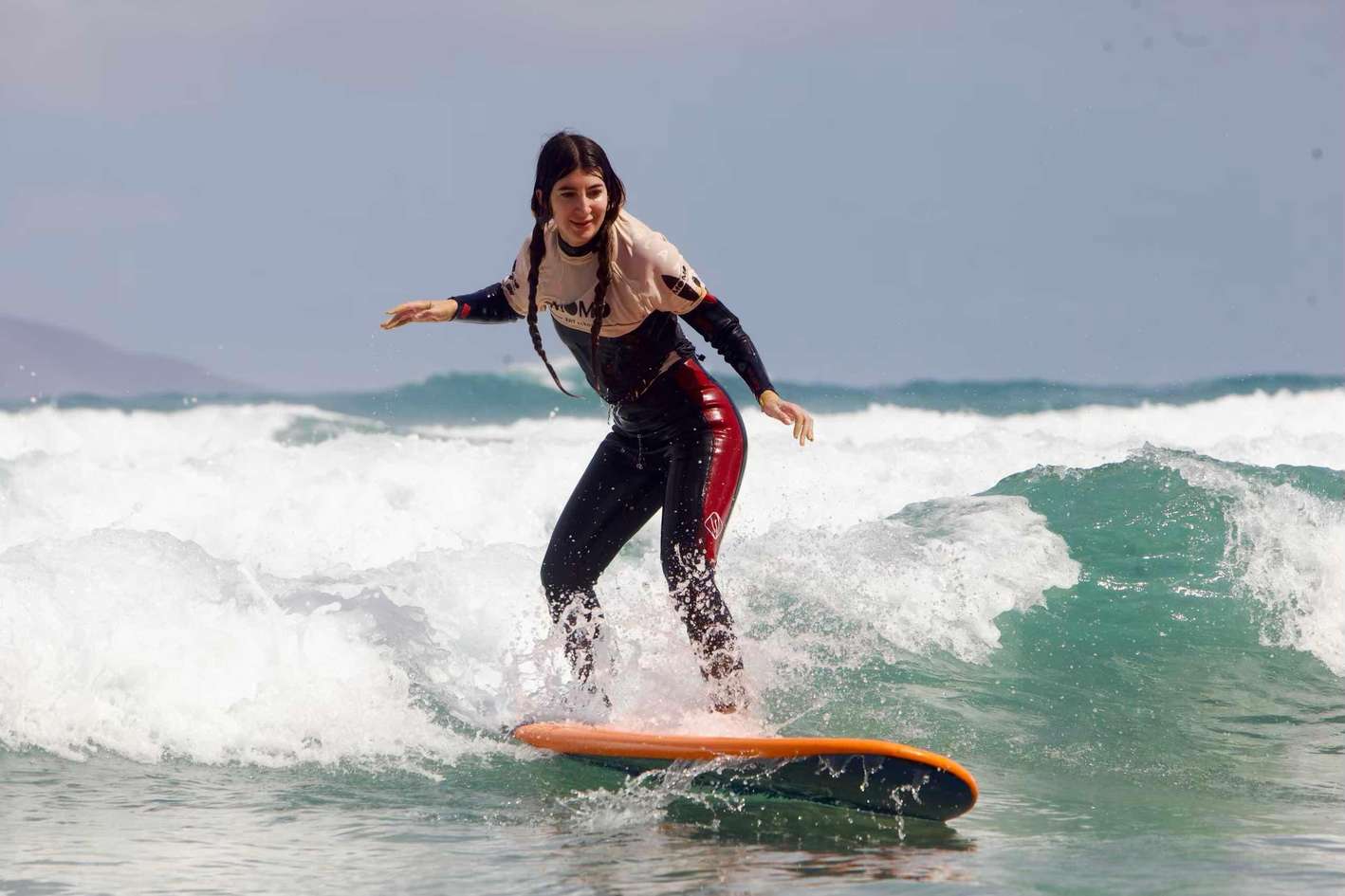
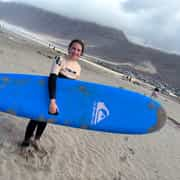
Lanzarote catches real Atlantic groundswell for most of the year, and its famous breaks are heavy volcanic reefs. Which of the two is your trip, and where a first lesson happens safely, decides everything.
Northwest groundswell runs strongest from October through March, delivering waves of 2 to 3 metres or more; June to August is the flattest stretch.
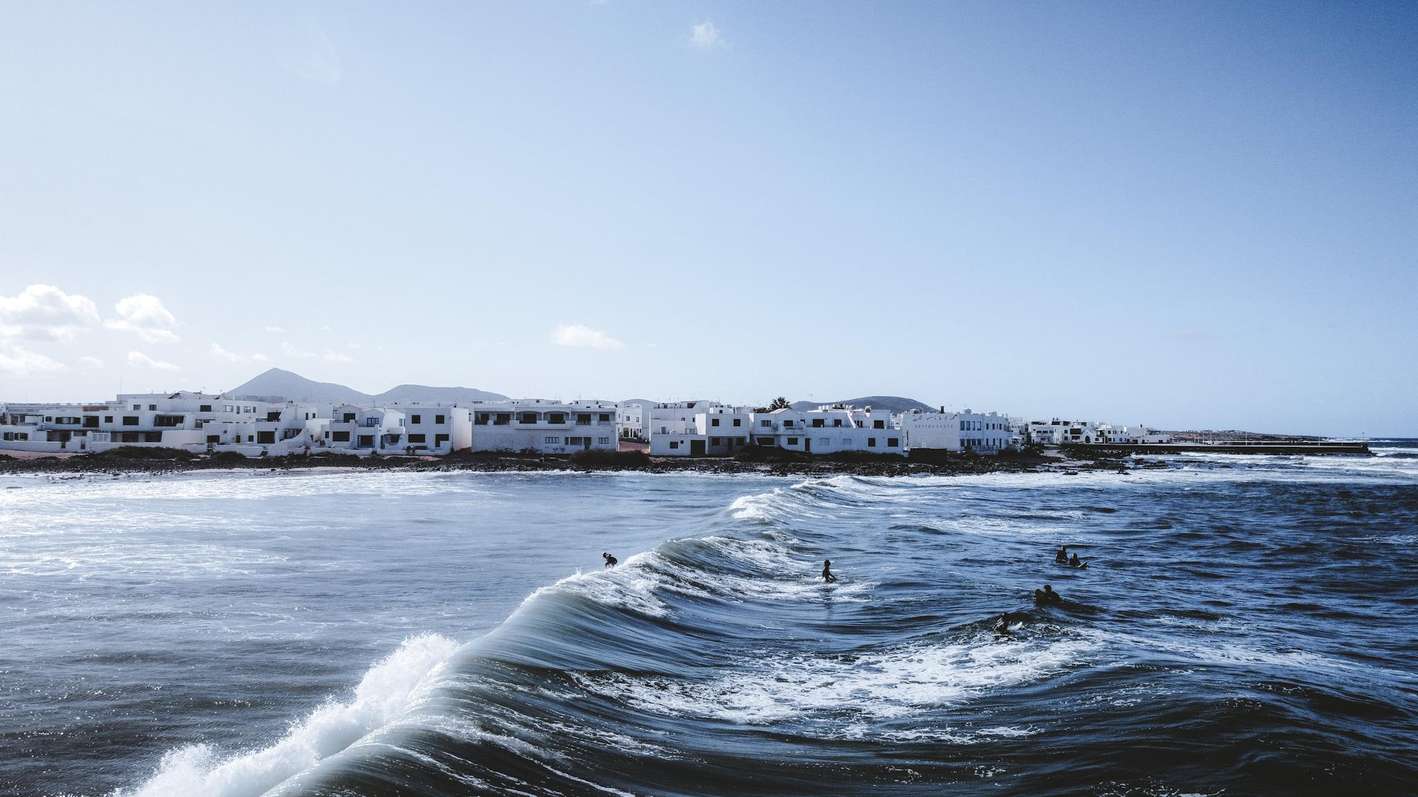
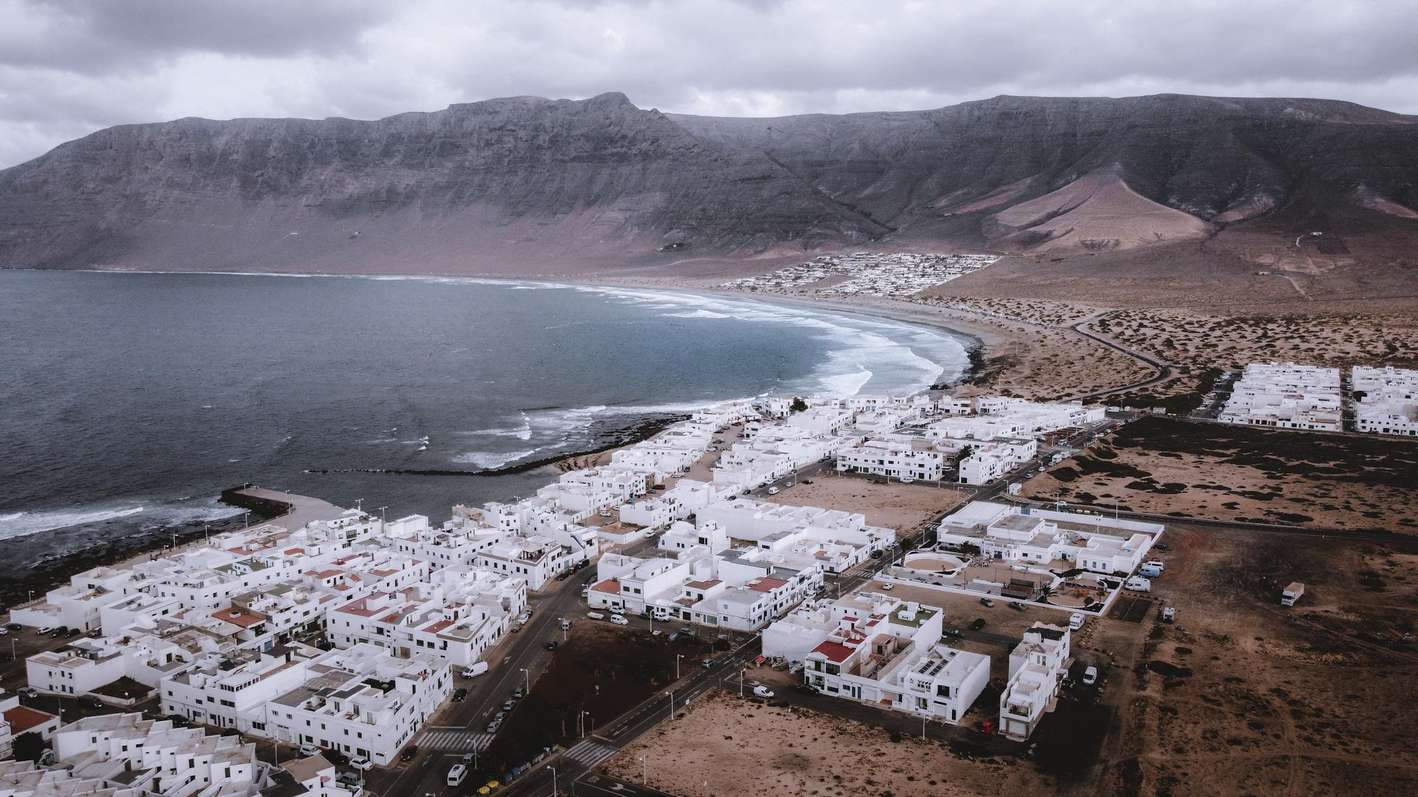
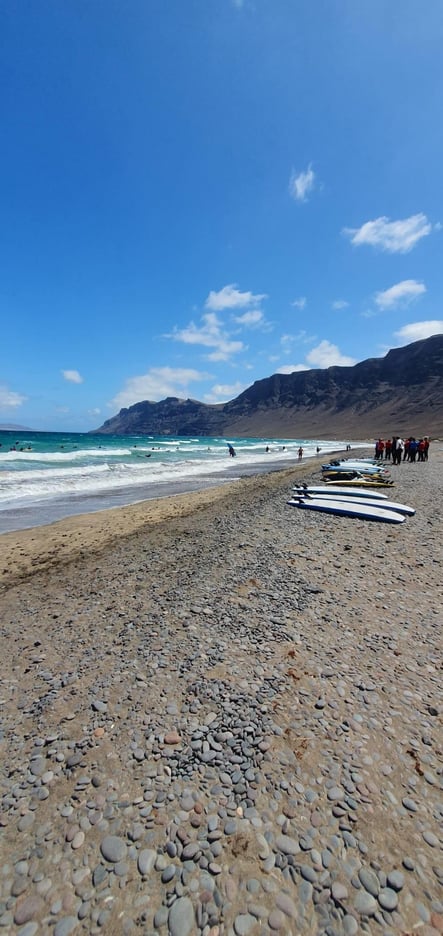
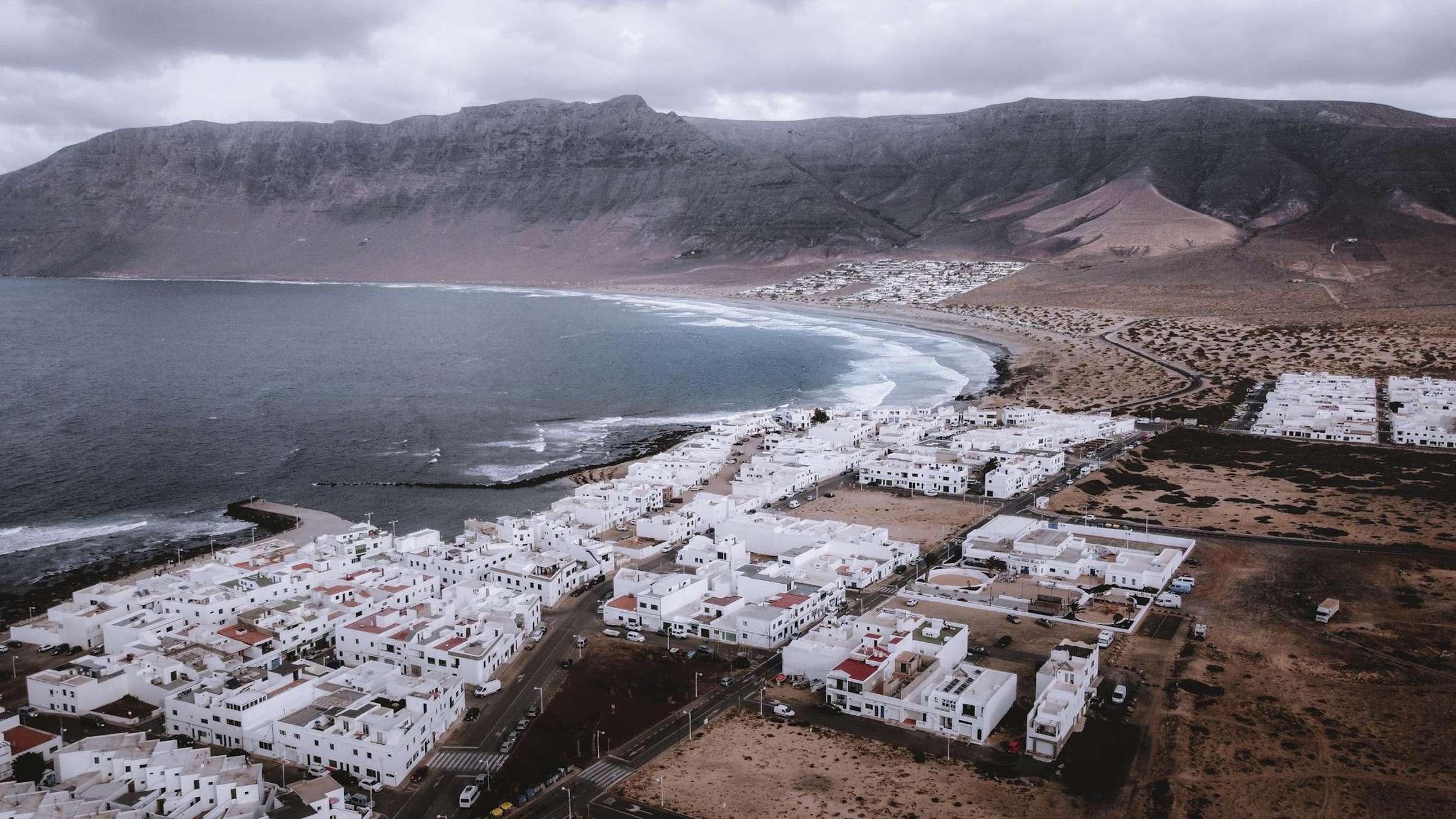
Beginners learn over sand at Playa de Famara, a 5 to 6 kilometre beach with rock-free zones right in front of Caleta de Famara village.
Fuerteventura edges Lanzarote for a dedicated beginner-to-intermediate surf trip, but Famara gives beginners whitewater and intermediates outside peaks.
Trade winds chop the water up by mid-afternoon, so book a morning slot for clean wave faces.
Lessons run at a maximum of 5 students per instructor, with board, wetsuit and rash guard supplied, and free cancellation up to 24 hours ahead.
Confirm you can swim a reasonable distance unaided before booking, and let the school know about any physical limitation or medical condition in advance so the instructor can judge whether a lesson is safe for you.
The doubt is fair. Talk about Lanzarote's waves and you mostly hear about El Quemao and the heavy reef breaks on the north shore. That is half the story.
From October through March, northwest groundswell delivers waves of 2 to 3 metres or more, long-period North Atlantic swells that light up the exposed reefs. The island is a genuine surf destination.
The other half matters more if you are starting out. Summer, from May to September, brings smaller trade wind swells with knee- to chest-high waves, exactly the size a first lesson wants. June to August can go quiet on the north coast reefs, but the beginner beaches still have rolling whitewater.
So the island works for nearly every level, as long as you match your month to your ability. Winter suits confident surfers chasing power. Summer suits anyone whose main goal is standing up for the first time.
August is the peak tourist month with consistent trade winds and small, gentle swells averaging 1.7 metres.
Tap a month to read it.
June brings moderate crowds and the year's calmest seas, offering small 1.5-metre waves ideal for surf schools.
Tap a month to read it.
March brings moderate visitor numbers and the roughest ocean of the year, with peak waves averaging 2.8 metres and calm seas just 2 percent of the time.
Tap a month to read it.
March brings moderate visitor numbers and the roughest ocean of the year, with peak waves averaging 2.8 metres and calm seas just 2 percent of the time.
Tap a month to read it.
Read the months together and the pattern is simple: winter swells are big but the sea is rarely calm, summer waves are small but friendlier. If your holiday falls in February or March, expect powerful surf and pack patience; if it falls in July, expect gentle waves and crowds on the sand.
Lanzarote splits into two surf islands. The one beginners should know is Playa de Famara on the northwest coast, a sandy stretch of roughly 5 to 6 kilometres.
The central section and the inside zone right in front of Caleta de Famara village hold soft, sandy beach breaks with rolling whitewater, and the bottom there is free of rocks and reefs. This is where nearly every first lesson happens.
Three other gentle options exist: Caleta Caballo northwest of Famara, Playa de las Cucharas on the east coast, and Playa de la Garita on the northeast coast. East-coast spots like Las Cucharas come into their own in summer when the trade wind swells suit them.
The famous waves live elsewhere. Around La Santa you find El Quemao, La Santa Left and Morro Negro; San Juan sits near Famara, and Jameos del Agua breaks on the northeast coast.
These are shallow volcanic reefs, and they are for advanced surfers. Knowing which island you are on, the sand or the lava, is the whole game here.
Honest answer first: for a trip built entirely around surfing from beginner to intermediate, Fuerteventura usually wins. It has long sandy beach breaks at Corralejo and El Cotillo, plus point breaks and the North Shore for progression as you improve.
Lanzarote's surf, away from Famara, is largely heavy, shallow volcanic reef better suited to advanced riders. But Famara changes the picture. It gives beginners a big sandy playground in the whitewater and intermediates rolling outside peaks to work their way towards.
The honest choice also weighs what sits beyond the water. Lanzarote adds volcano parks, vineyards, and a compact island you can cross in a day. If your holiday mixes surf with sightseeing, Lanzarote holds its own. If every day must be waves, point the compass at Fuerteventura.
| Lanzarote | Fuerteventura | |
|---|---|---|
| Beginner beach breaks | Famara's sandy whitewater, plus Caleta Caballo, Las Cucharas and La Garita | Long sandy breaks at Corralejo and El Cotillo |
| Progression waves | Outside peaks at Famara for intermediates | Reefs and point breaks like Rocky Point and the North Shore |
| Advanced reef surf | El Quemao, La Santa Left, Morro Negro, San Juan, Jameos del Agua | Solid north-shore reefs and points |
| Best fit | Mixed holidays: surf plus volcanoes, wine and sightseeing | Dedicated surf trips from beginner to intermediate |
Scan the two columns on the row that matches your level, and the choice makes itself. If the best-fit row sounds like your holiday, Lanzarote has everything you came for.
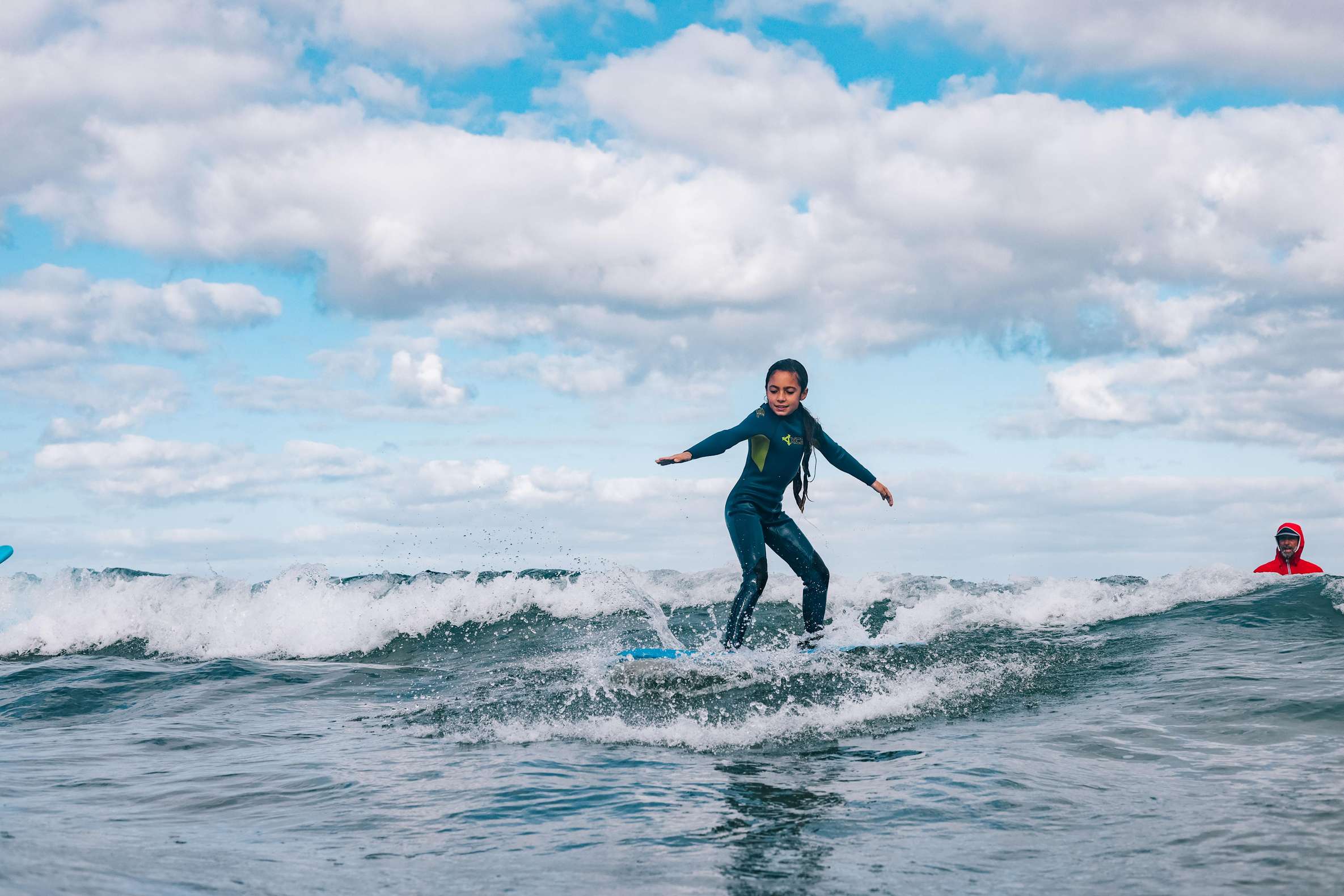
The hazards you have heard about are real, and they mostly miss you. Beginner lessons at Famara never touch the reefs. Students practice in waist-deep whitewater over sandbars, away from lava shelves, under an instructor's eye. The rocks matter only once you graduate to the reef breaks.
At that point, booties stop being optional. The volcanic lava edges at La Santa, El Quemao and San Juan cut slowly and heal slowly, and the entry rocks carry urchins. Reef booties are considered essential gear on any of those breaks.
Then there is the lineup itself. El Quemao and La Santa run on a strict local pecking order, enforced without discussion. Visitors who paddle straight to the peak get told, quickly, where they stand.
The water here is the open North Atlantic too, noticeably cold with strong waves and open swell, so respect the ocean as much as the regulars.
Locals hold top priority for set waves; a visitor who sits on the apex gets called out fast.
Reading the flow shows you where the locals sit and where the scraps come through.
Lava edges cause slow-healing cuts, and urchins hide on the entry rocks.
Waiting your turn and taking the wider sets is how visitors get left alone.
None of this needs to spoil the famous breaks for you. It just means arriving with patience, and leaving the apex of the peak to the people who surf it every week.
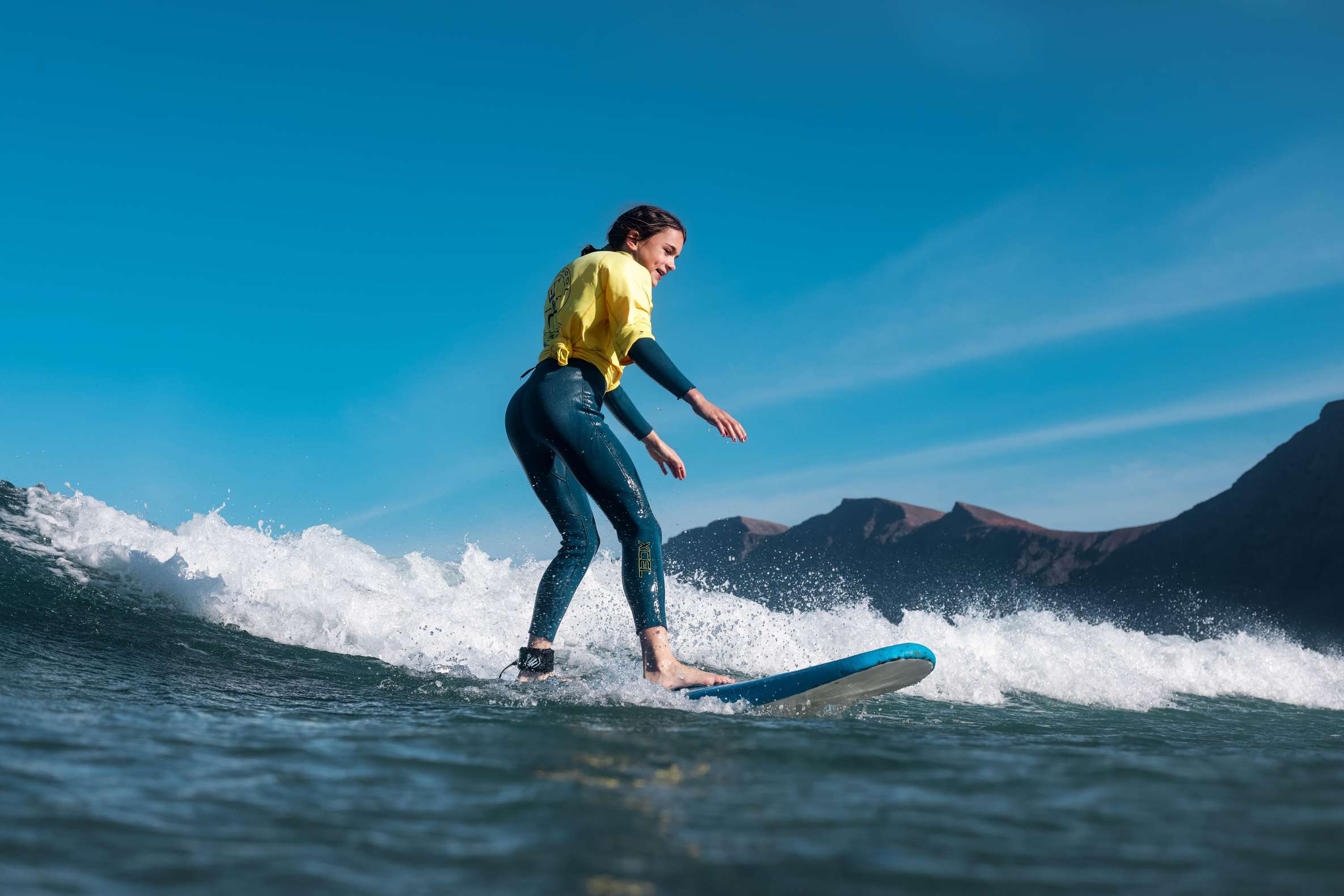
The trade winds run the island's clock. The northeast trades strengthen significantly through the afternoon, throwing heavy chop across the water and stirring up stronger currents. By late afternoon at Famara, the clean faces of the morning have gone ragged.
Mornings flip that. Light winds keep the waves organized, which makes every hard part of learning easier: paddling out, standing up, holding the board straight. Instructors build their schedules around this, which is why lesson slots cluster early.
The practical takeaway for your booking: pick the first slot of the day. A morning class gives you clean faces and calmer water while you are still working out how to stand. An afternoon class gives you the same lesson in messier conditions, and the difference is real.
Light breezes keep the surf organized and clean.
Trade winds begin to build, adding chop.
Strong trade winds produce choppy waves and currents.
That daily pattern also shapes the rest of your day. Surf in the morning, and the windy afternoon is free for exploring the island: a drive north, a walk in the volcanoes, or simply a long lunch while the chop settles.
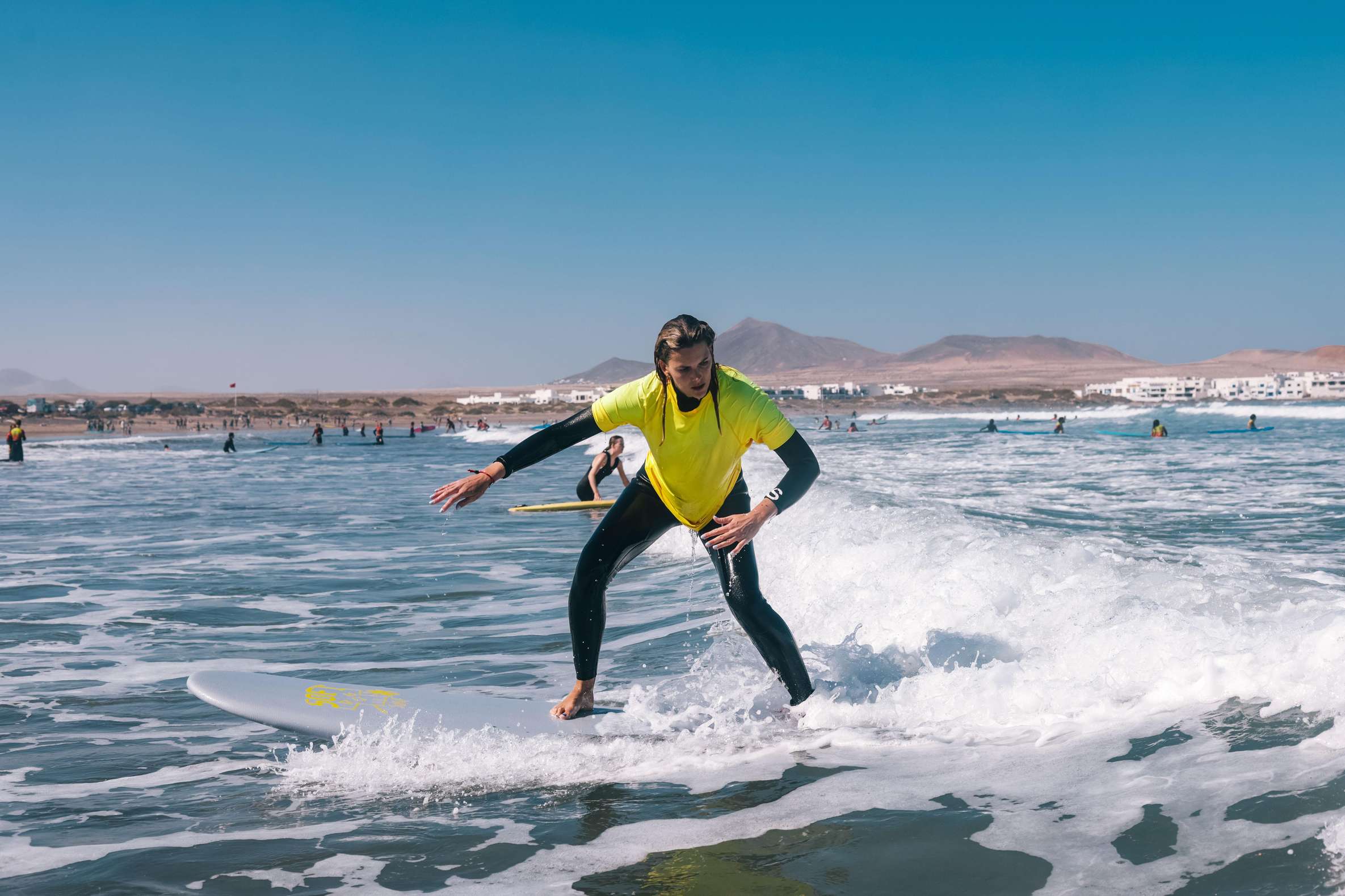
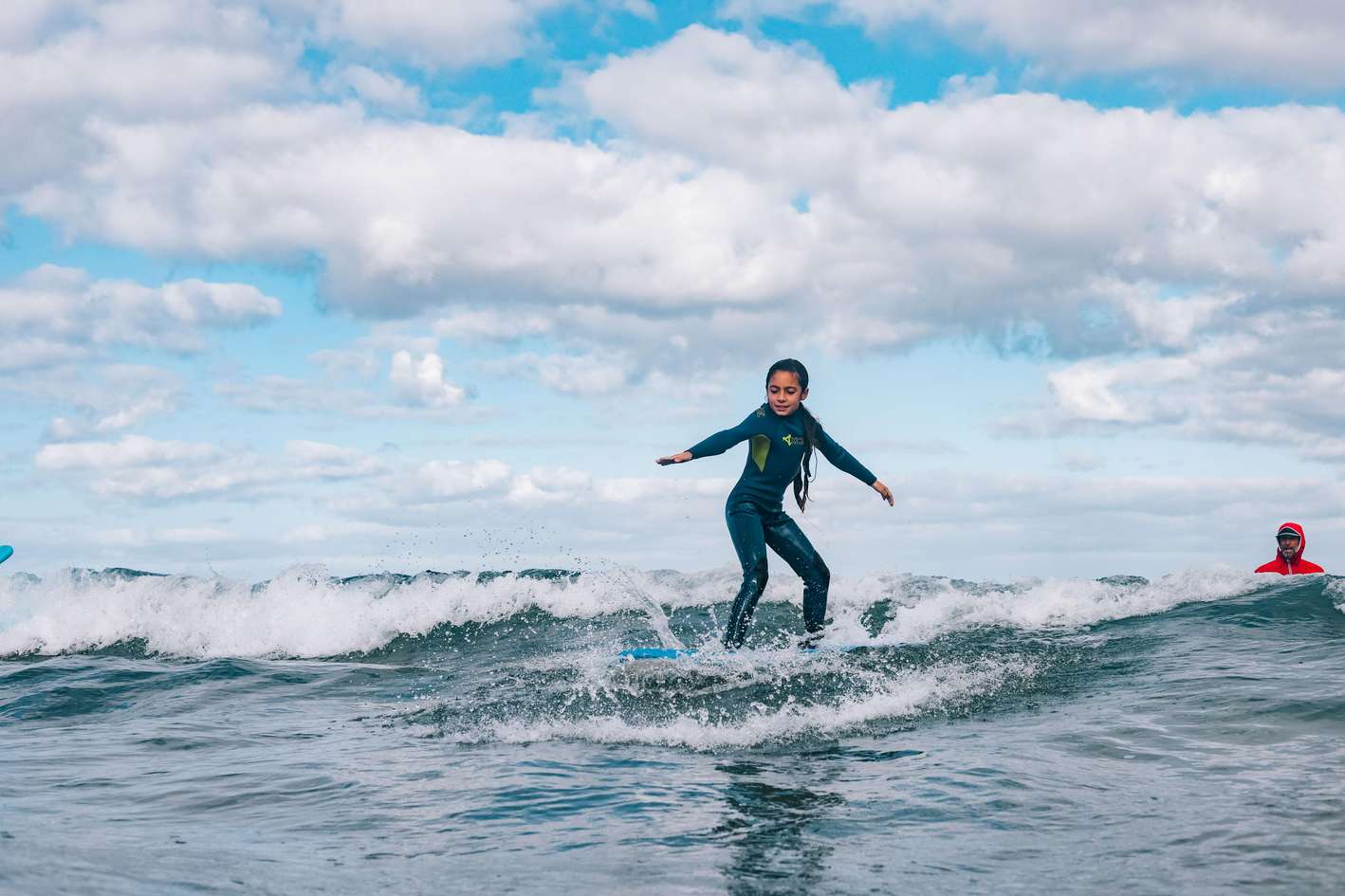
A first lesson in Lanzarote is more structured than most beginners expect. Schools on Famara run at a maximum of 5 students per instructor, so the instructor corrects your take-off hands-on and keeps everyone in sight.
Travelers who have taken these classes mention patient, step-by-step coaching, and standing up on the first day is a normal outcome.
Gear is not a question you need to solve. A lesson includes a surfboard suited to your size and level, a wetsuit and a safety rash guard. You show up with swimwear and a towel and that is the kit list done.
The honest limits: beginner classes are not suitable for non-swimmers, and lessons rule out people with heart problems or medical conditions that stop physical activity.
Children can join from around age 3 or 4, though babies under one cannot. If any of that touches your group, sort it before you book, well before you reach the sand.
| Check | Why it matters | Our pick |
|---|---|---|
| Instructor ratio | Small groups mean hands-on correction from the instructor | Certified ISA and RLSS instructors, small group or private options |
| Gear included | Flying with boards and wetsuits is expensive | Surfboard, wetsuit and beach transport all included |
| Level options | A mixed class holds nobody back | Beginner and intermediate classes, 2-hour or 4-hour sessions |
| Experience | Volcanic-island surf needs local knowledge | The first surf school on Lanzarote, teaching for over 30 years |
| Getting there | Famara sits away from the resorts | Transport to the beach from the surf school is included |
Run your own booking through those five checks and the Famara school clears every one of them, which is why it leads this page.
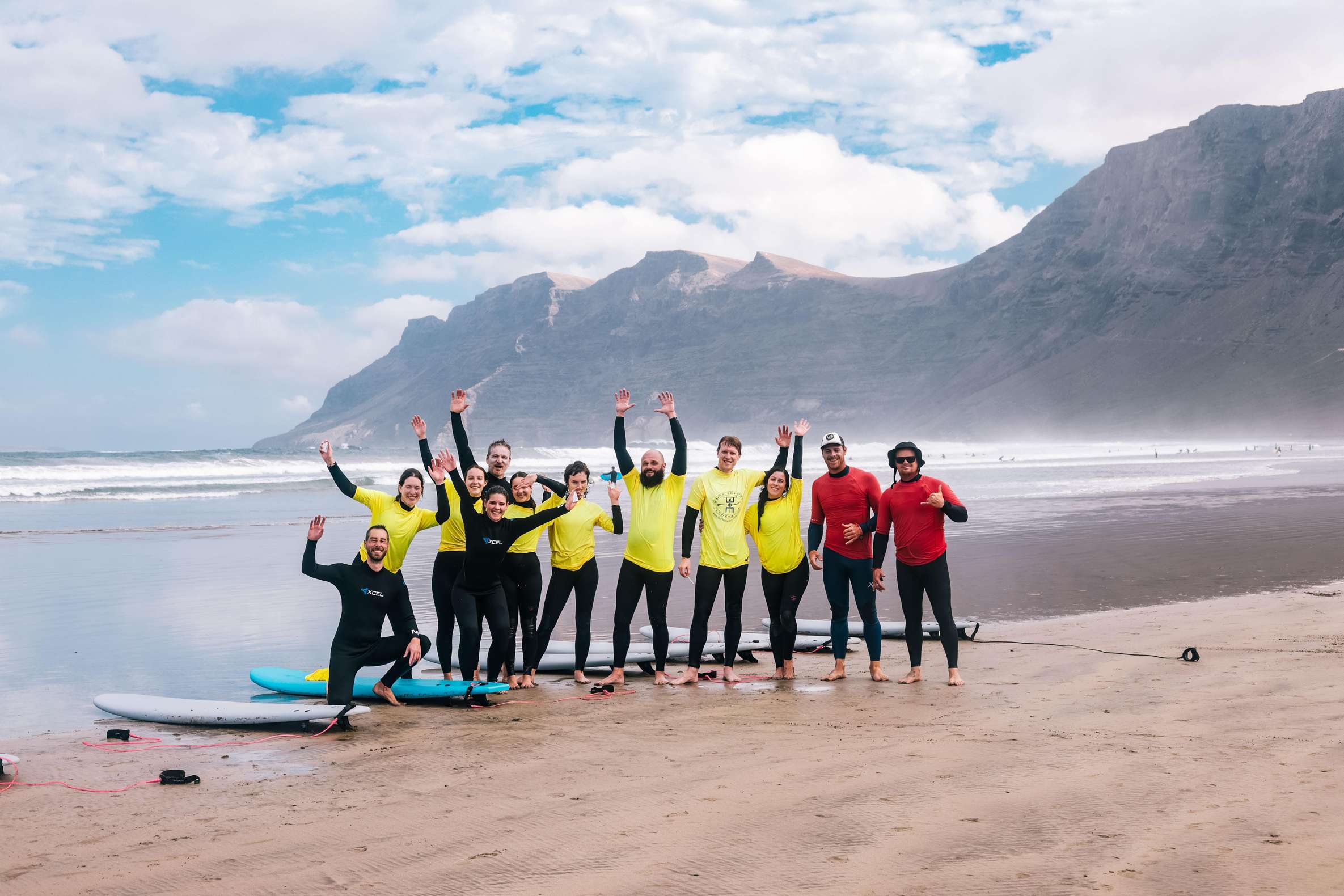
Base the trip in Caleta de Famara and the logistics disappear. The village sits right on the beach, so the beginner peaks and the surf schools are a walk from your door, no driving before or after a session.
The north-shore reef breaks sit close too. San Juan, Caleta de Caballo and the waves around La Santa, including El Quemao, all fall within a 5- to 15-minute drive. That reach matters once you progress past the whitewater.
The main resorts, Puerto del Carmen, Costa Teguise and Playa Blanca, offer more restaurants and bigger hotels, but every surf day starts with a drive across the island to the northwest coast.
If surfing is the reason you came, sleep where the waves are. If it is one day out of a week, the resorts work fine and a morning lesson still fits.
For everyone else the resorts still work, and a morning lesson with transport included turns a surf day into an easy outing from any base.
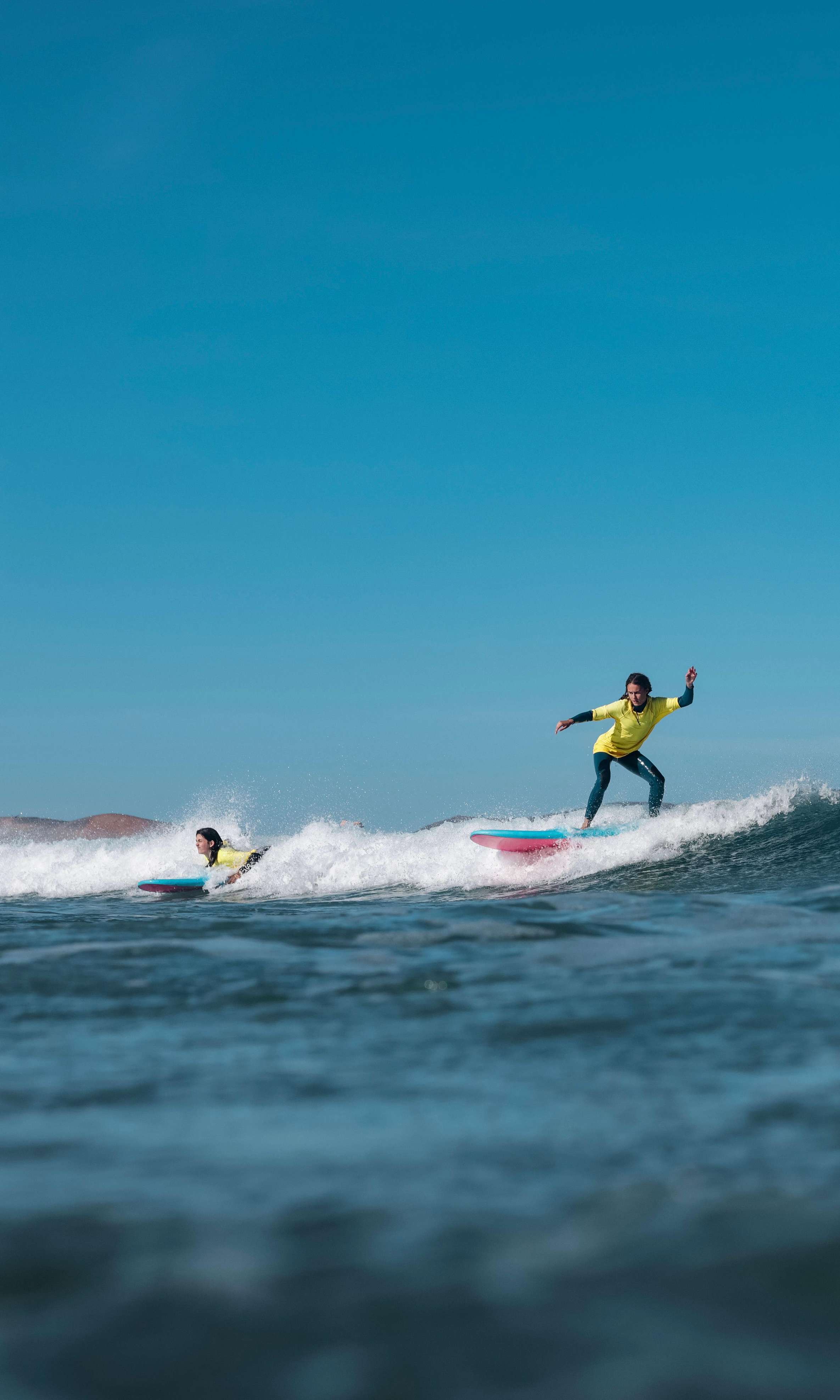
The Atlantic here stays cool even when the air is warm. From January through April or May, the water sits between 18 and 19 degrees, which calls for a 3/2 mm full wetsuit.
That is the suit for a winter surf trip, winter in Lanzarote being mild on land at around 20 to 21 degrees by day.
From June through August the ocean warms to between 21 and 23 degrees, and a 2 mm shorty, spring suit or rash vest with boardshorts is enough. Plenty of surfers wear the 3/2 all year anyway, for warmth in the wind and sun protection, which is worth copying in a place with almost no shade.
The board question answers itself if you are taking lessons: every school supplies a board suited to your size and level, along with the wetsuit. Fly out with swimwear and a towel and hire the rest.
Bringing your own board only makes sense once you are surfing the reef breaks on your own, when you know exactly what you want under your feet.
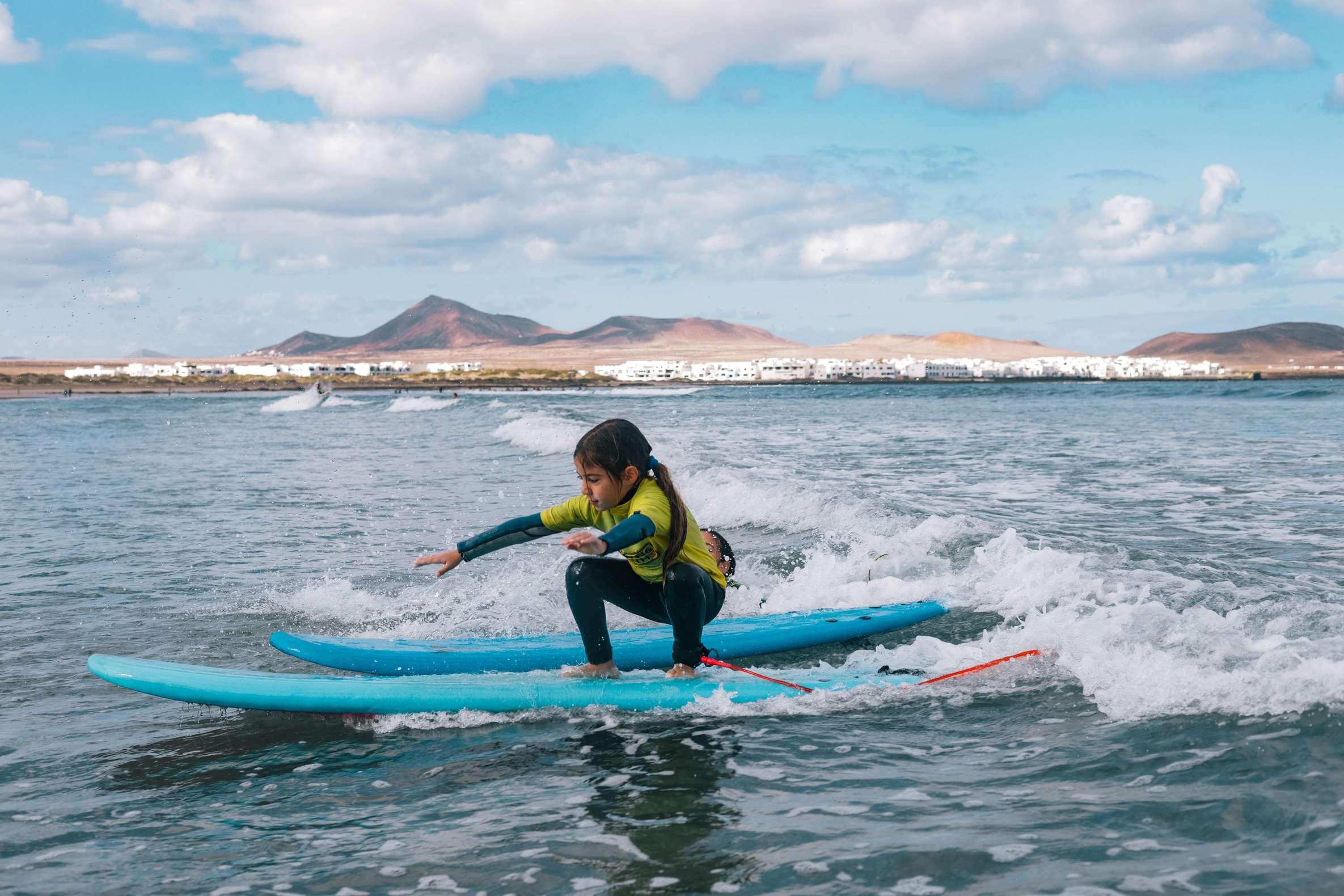
Sea conditions can cancel a session, and the rules around that are straightforward. If poor weather forces a cancellation, you get the choice of an alternative date or a full refund, so a blown-out day costs you nothing but the wait.
Your own plans get the same flexibility. Lessons carry free cancellation up to 24 hours in advance for a full refund, which means you can hold a morning slot on two different days and release whichever one you do not use.
That is the way to book a surf holiday around a forecast rather than betting on one morning.
The practical sequence: book early in your stay, keep the first sunny-or-swell window, and move the booking if the day turns. Famara rarely goes flat for long between October and March.
| If this happens | What happens then |
|---|---|
| Poor weather cancels your lesson | You are offered an alternative date or a full refund |
| You cancel 24 hours or more ahead | Full refund, no questions |
| Your holiday dates shift before the trip | Cancel free up to 24 hours before the session and rebook |
| Conditions look bad on the morning | Move your slot to another day within your stay at no cost |
With those terms in place, the only real cost of a bad-weather week is patience. Book the mornings you want, keep the ones that work, and release the rest.
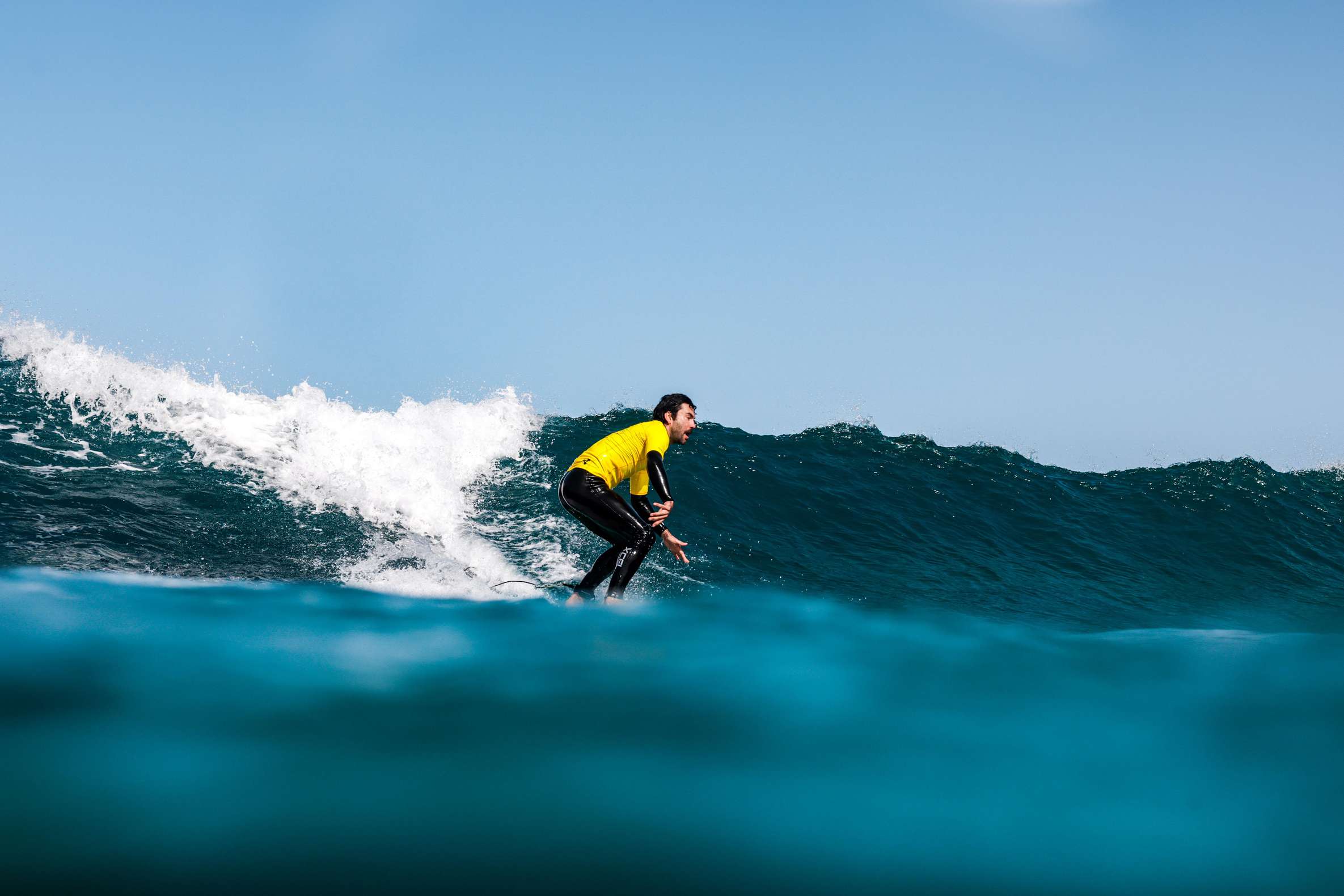
Lanzarote is a real surf destination, and it is friendlier to learners than its heavy-reef reputation suggests. Winter delivers powerful Atlantic groundswell for confident surfers; summer hands beginners small, gentle waves. Learn on the sand at Famara with a local school, book the morning slot, and leave the lava reefs until you have earned them.

Swap the board for the bus and see steam rise from the volcano that shaped this island.

If you drive to the park yourself, this page explains entry tickets and how booking works.

Rental car day planned? Directions by car and bus to the park, written for drivers.

Guided volcano walks on foot, a good land-based change from paddling out each morning.
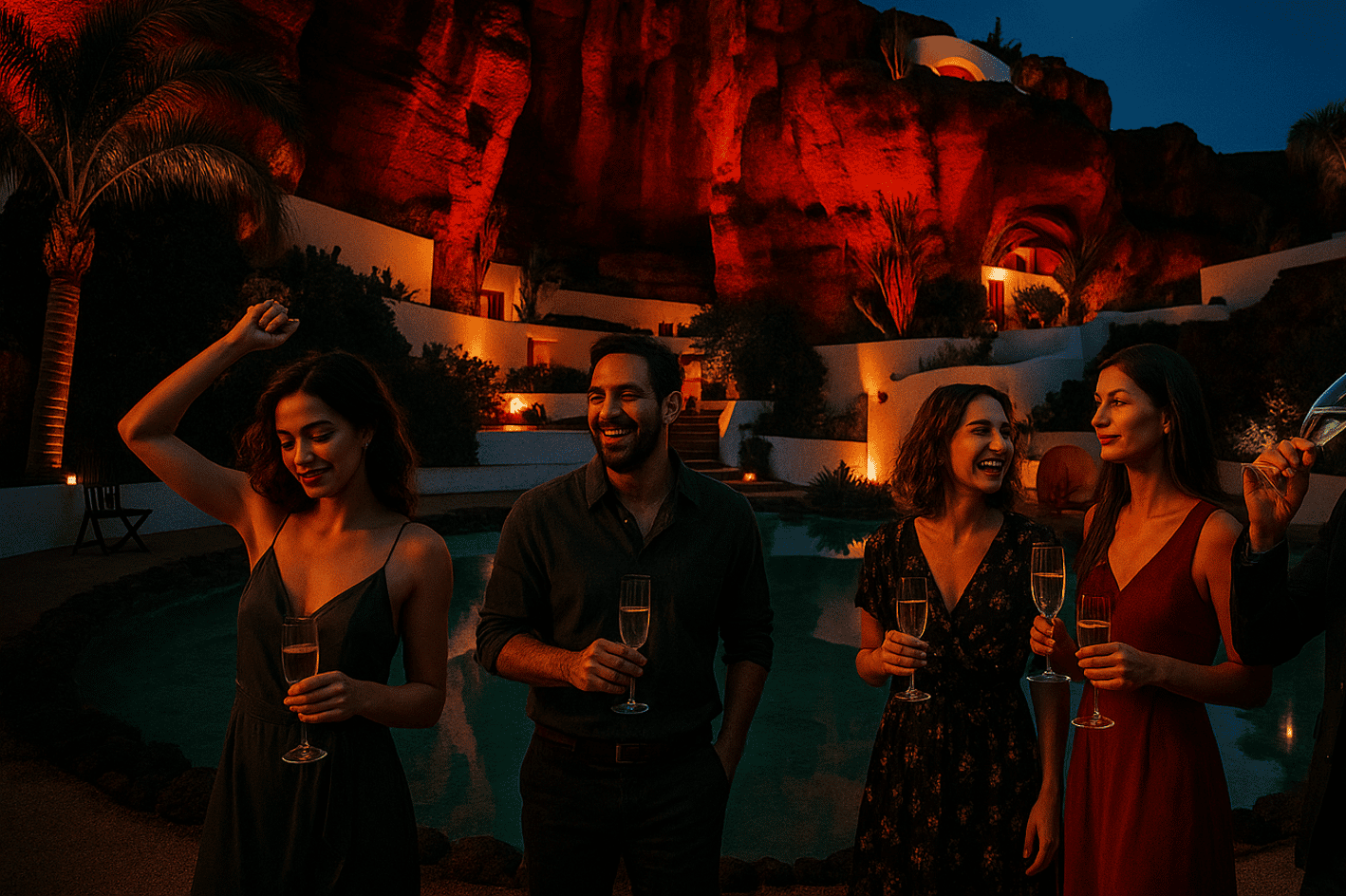
See the volcanic park in a different light, with evening tour options laid out.

Short on time? Half-day park tours fit neatly around a morning surf lesson.

Trade whitewater for dirt tracks with guided buggy rides across volcanic terrain.
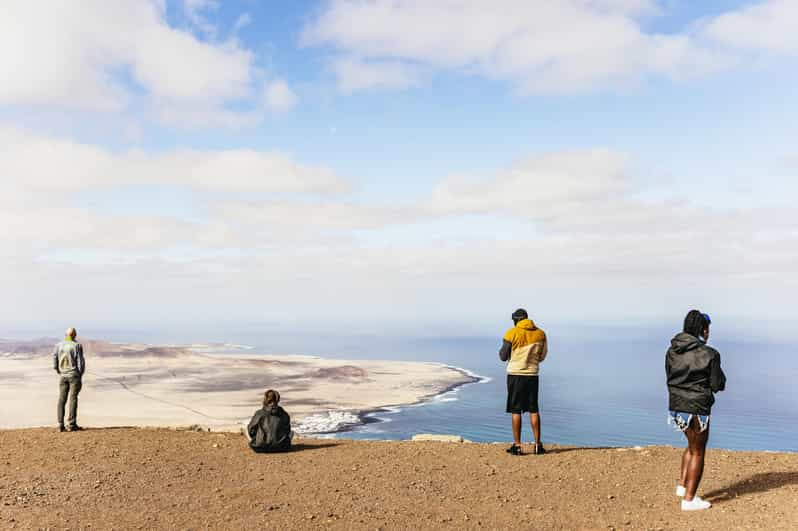
Dirt-track buggy excursions in detail, including what to wear for the dust.
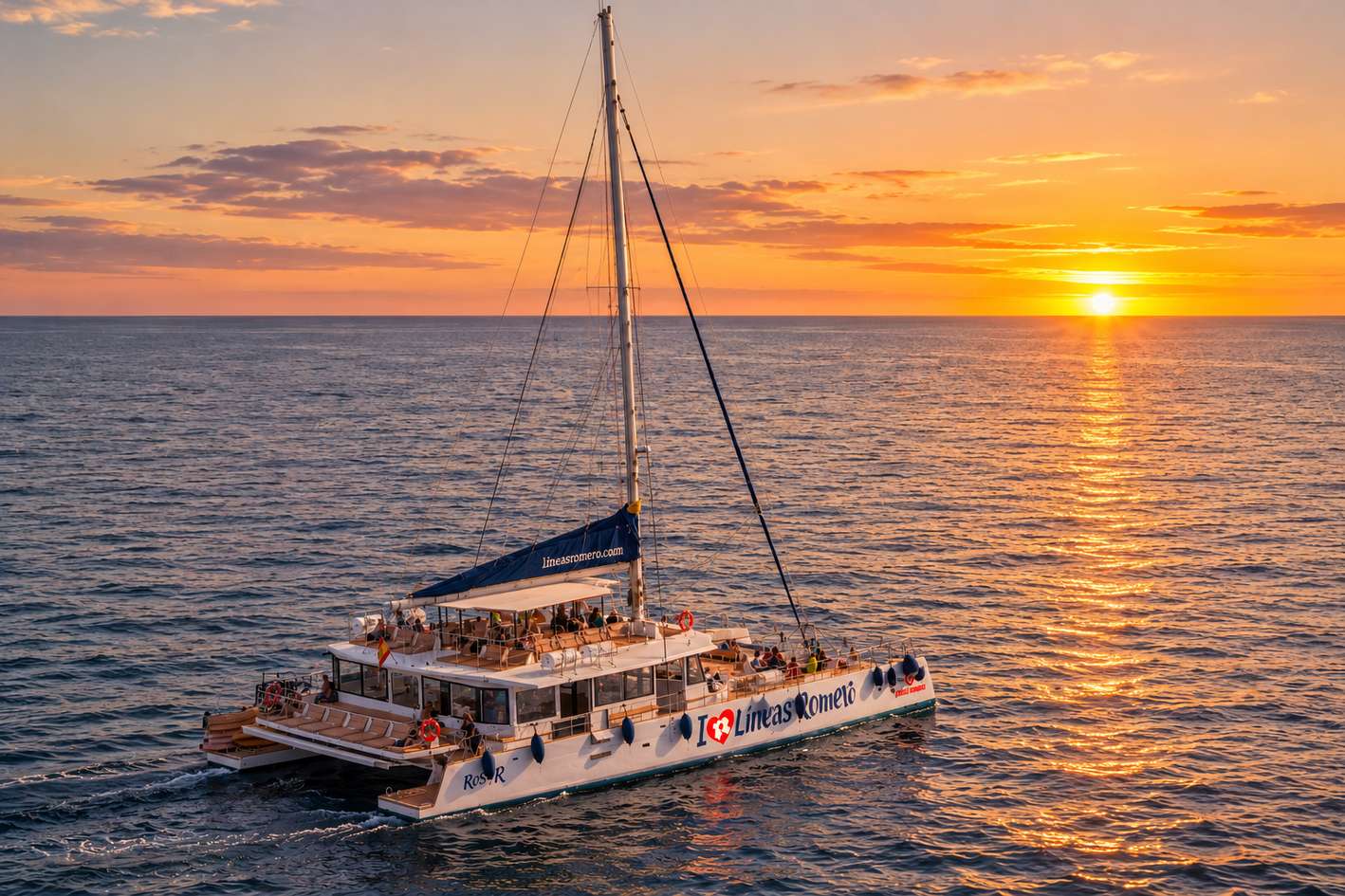
Rest-day ideas afloat, from short coastal cruises to full-day trips, compared here.
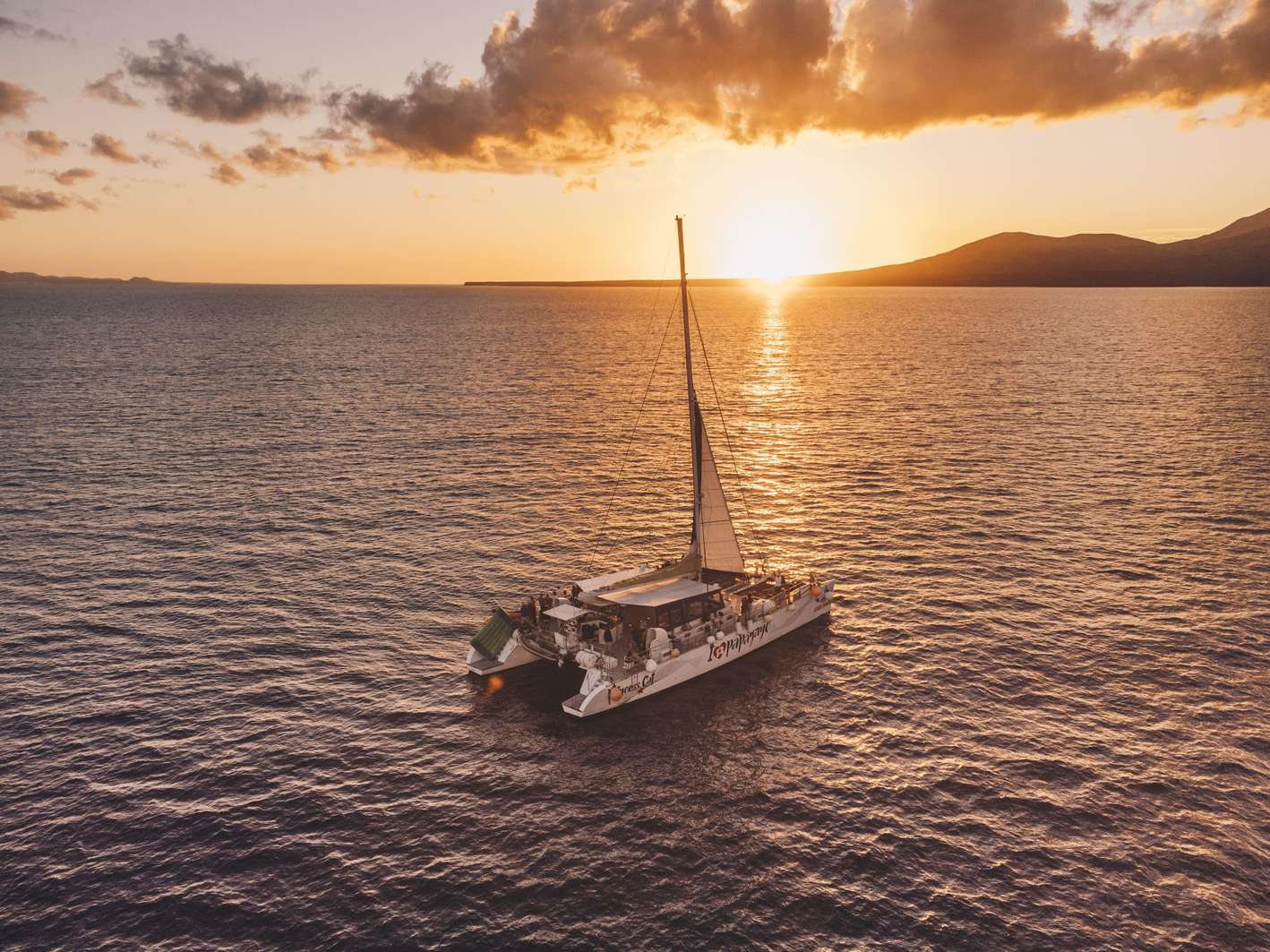
Evening cruises pair golden-hour light with the chance of dolphins offshore.
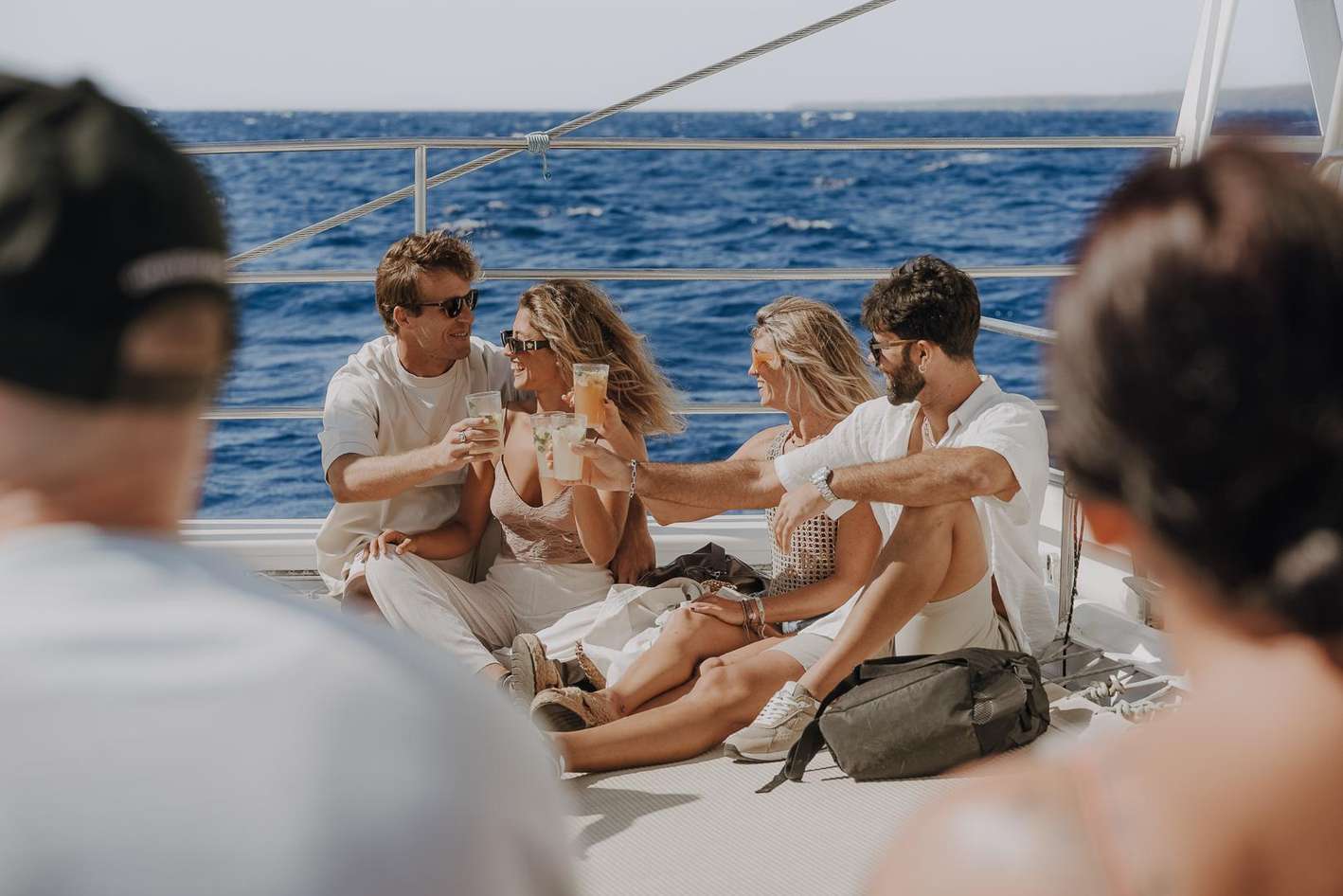
Boat trips from Puerto del Carmen harbour, with honest odds on wild sightings.

Catamaran day trips to Papagayo, a calm-water counterpoint to a wavy week.
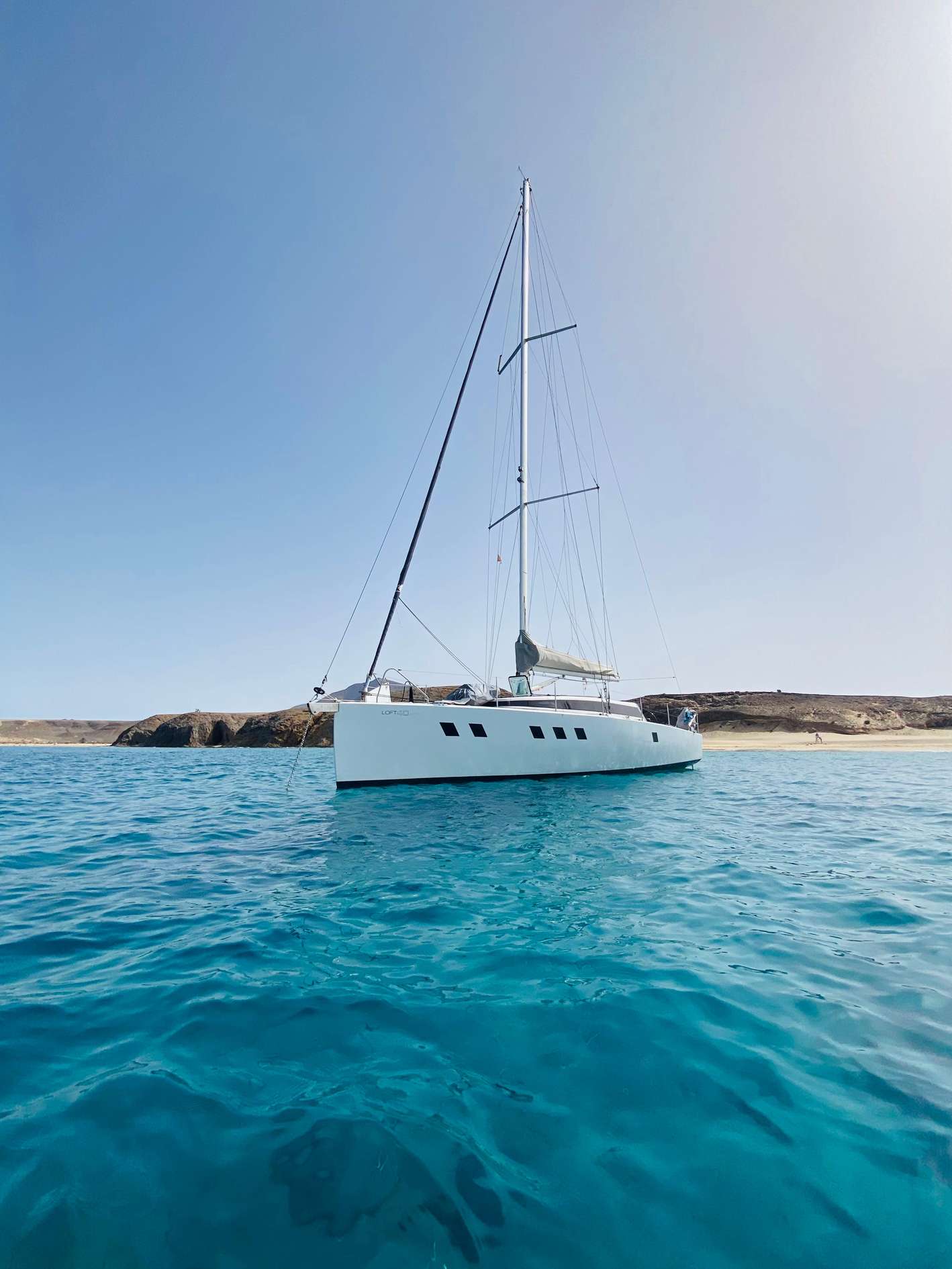
Charter options for a private day on the water with family or a small group.
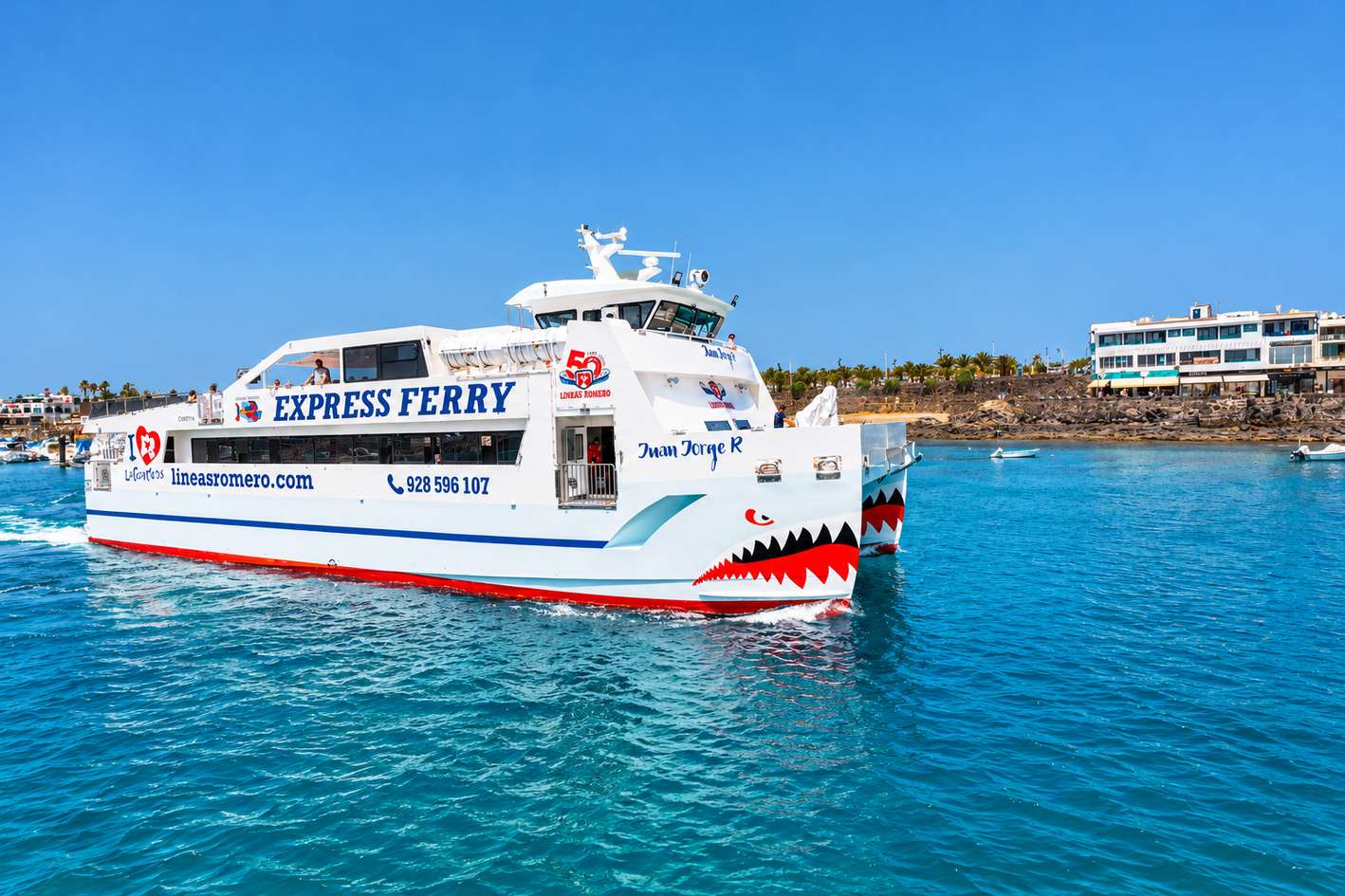
Island-hopping ferry routes, handy for adding a second island to the trip.
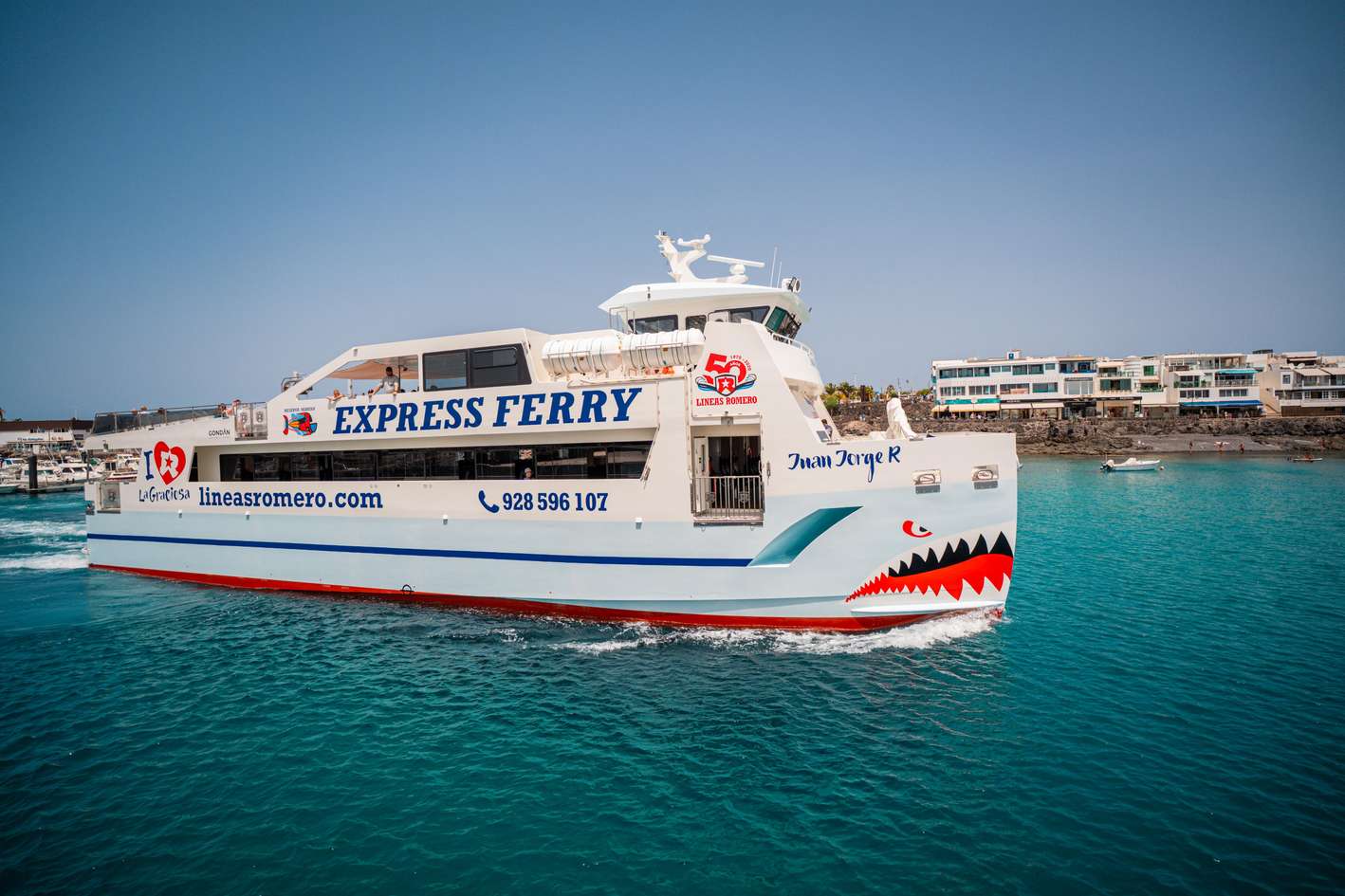
Crossing times and tickets to Fuerteventura, the island surfers often compare.
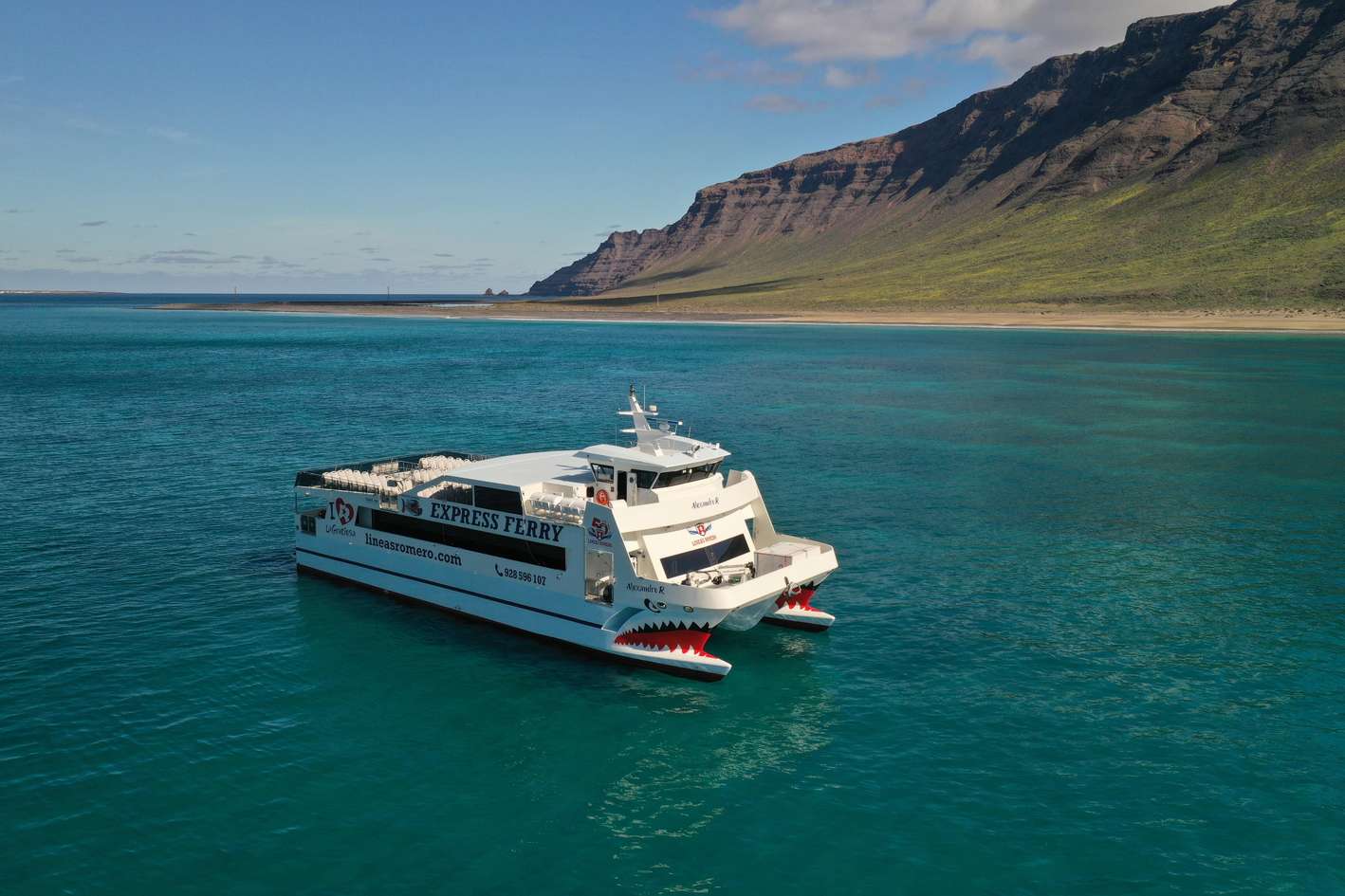
Timetables and tickets for the La Graciosa ferry from Órzola in the far north.
What the open-ocean crossing to Gran Canaria involves, and how long it takes.
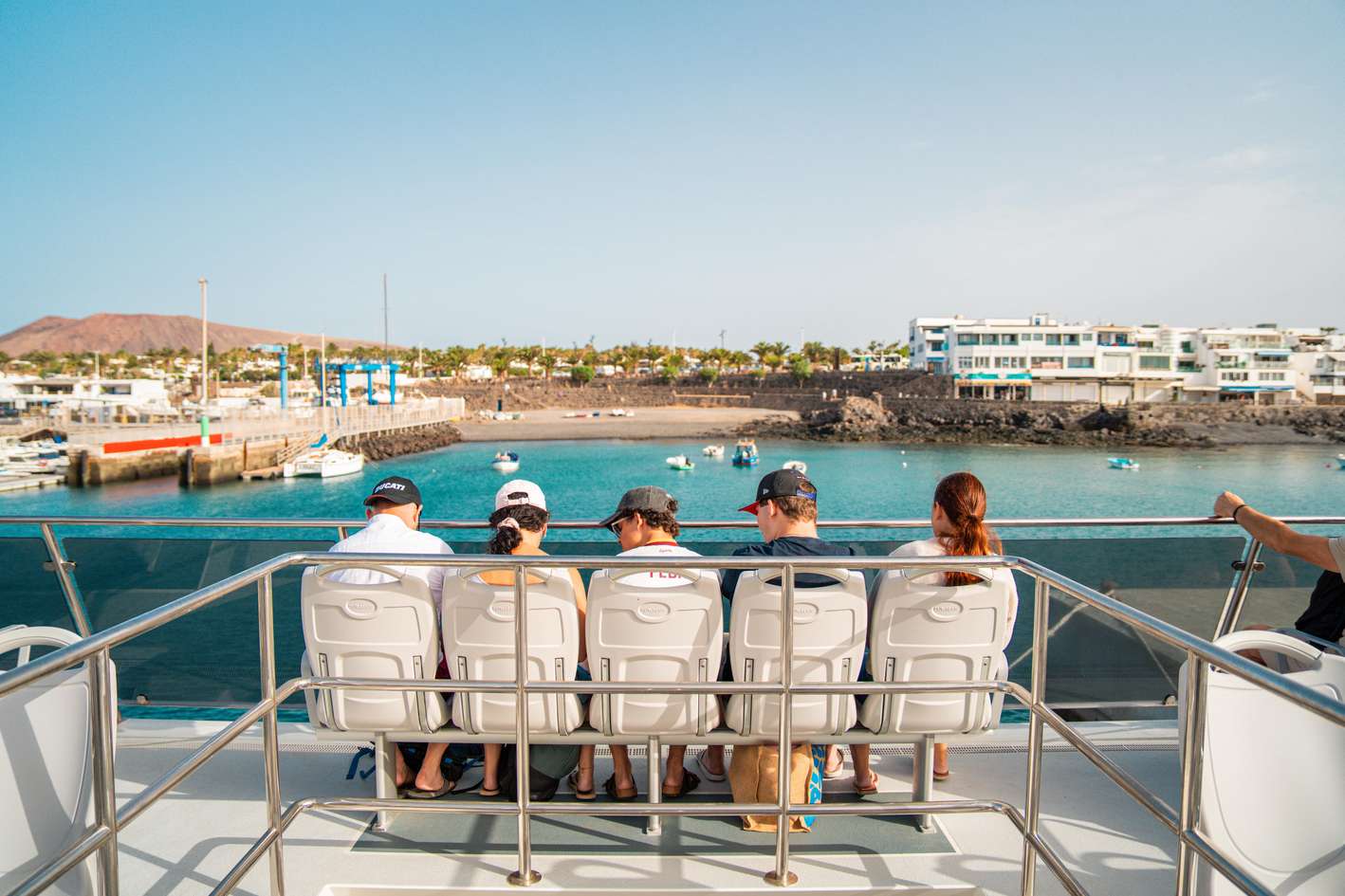
The distance to Tenerife by sea, and why it does not work as a day trip.

Jet ski rules and rentals explained, a motorised option on flat, windless days.
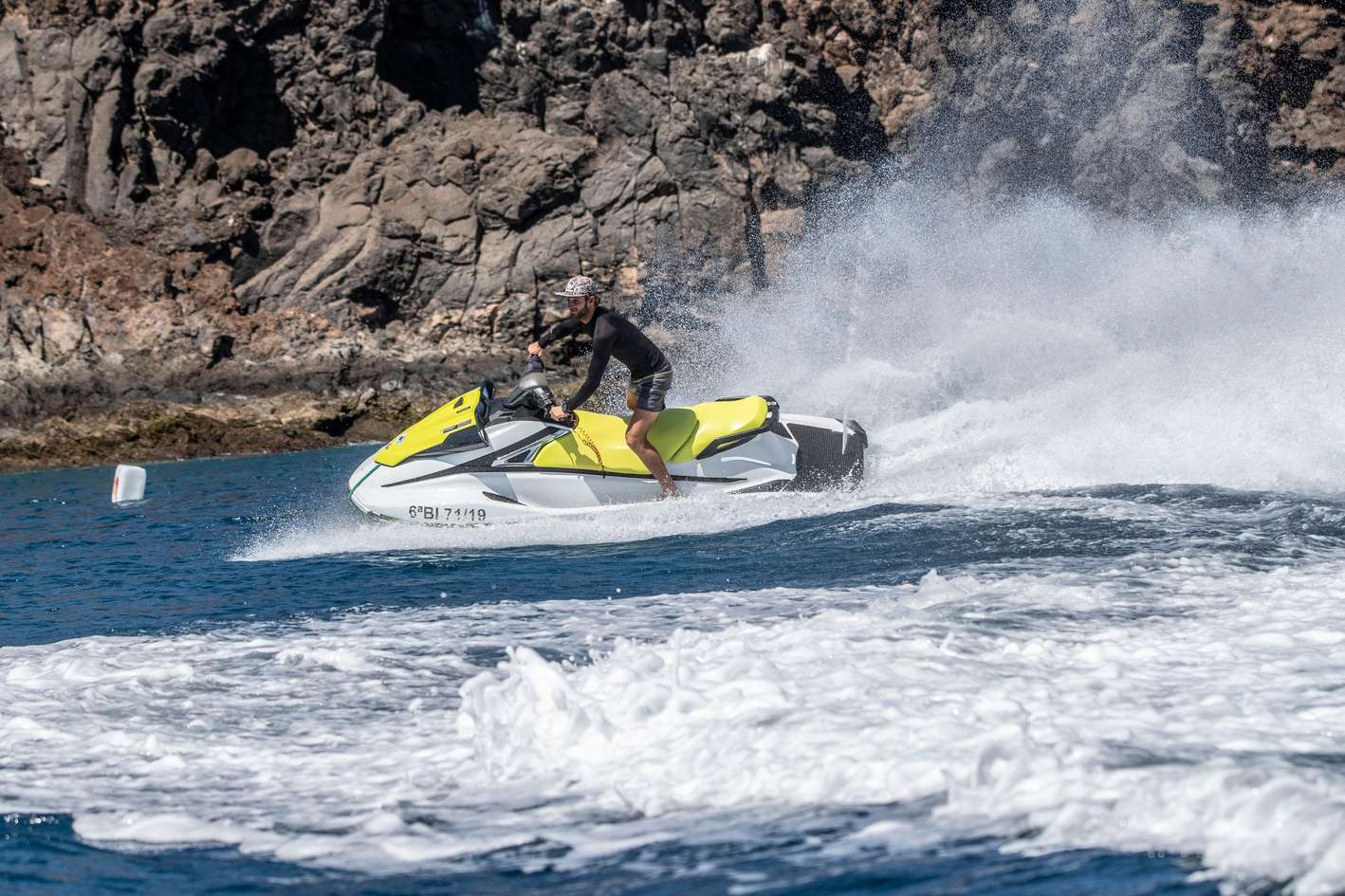
Where to hire a jet ski straight from the Puerto del Carmen waterfront.

Rental spots in Playa Blanca, on the island's sheltered southern coast.
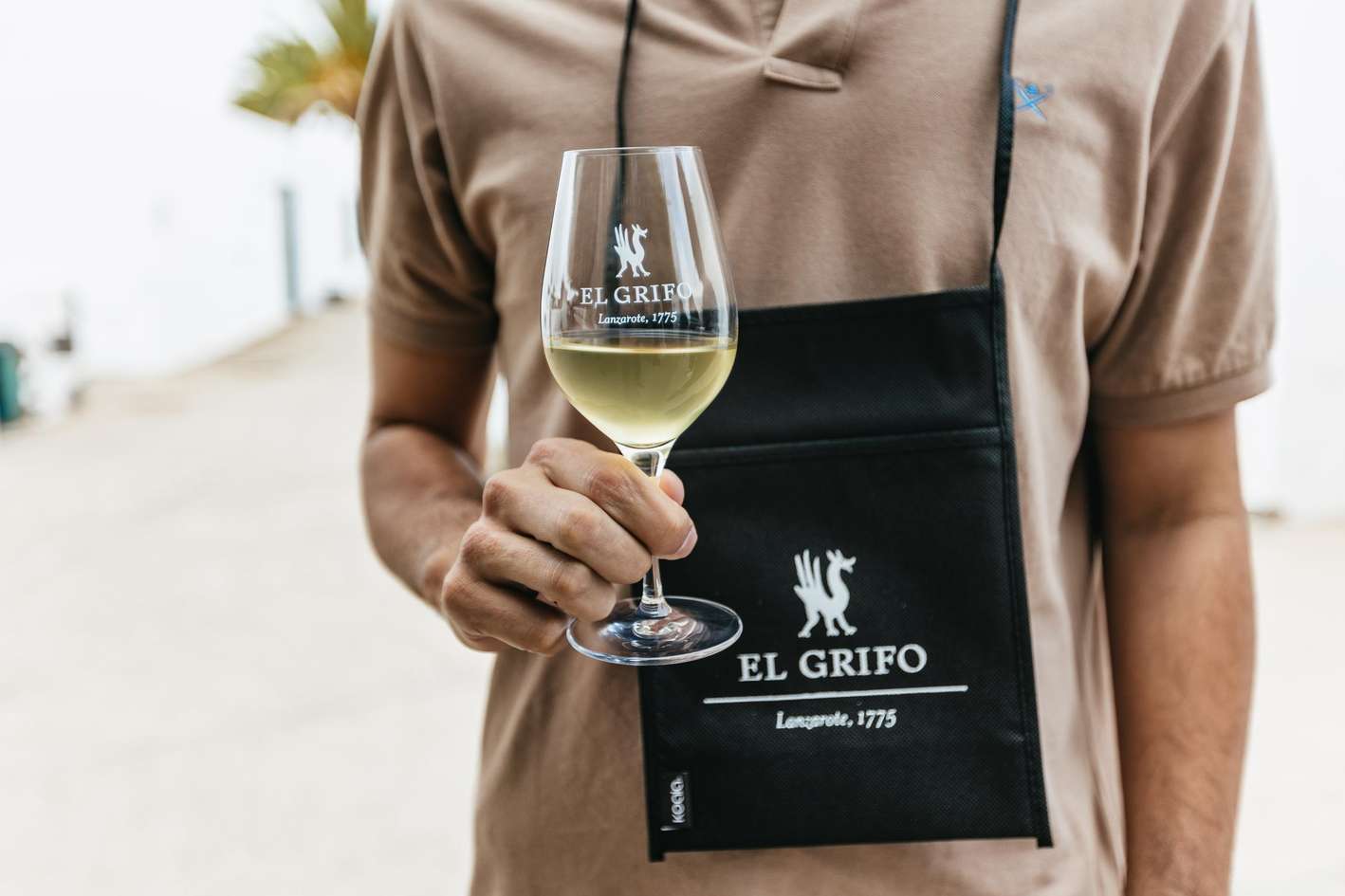
La Geria vineyards and how wine grows in black volcanic soil, an easy afternoon off.

Tasting sessions across the bodegas, with cheese and chocolate pairings.
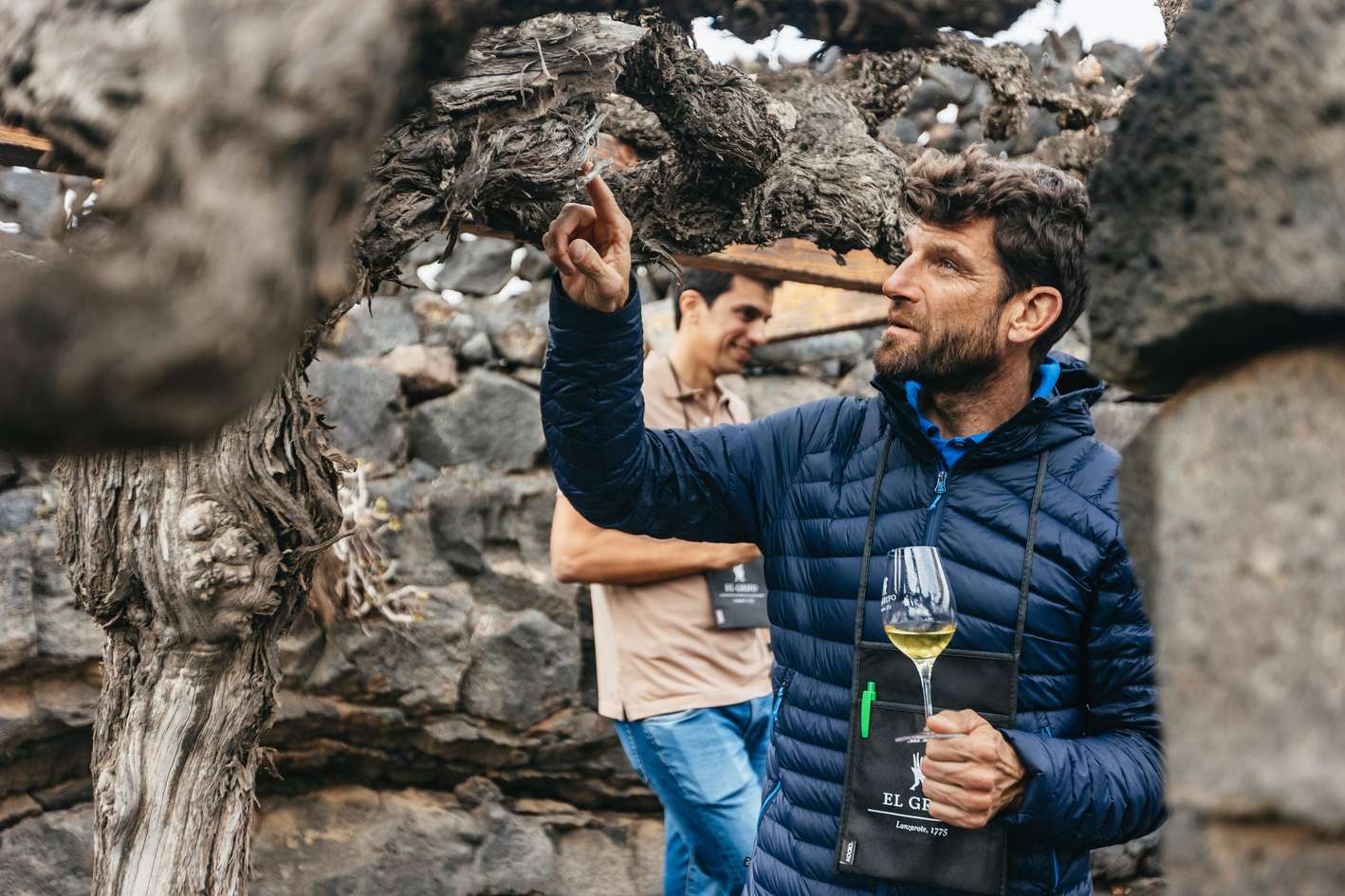
Visiting the island's oldest bodega, from cellar tours to the on-site museum.
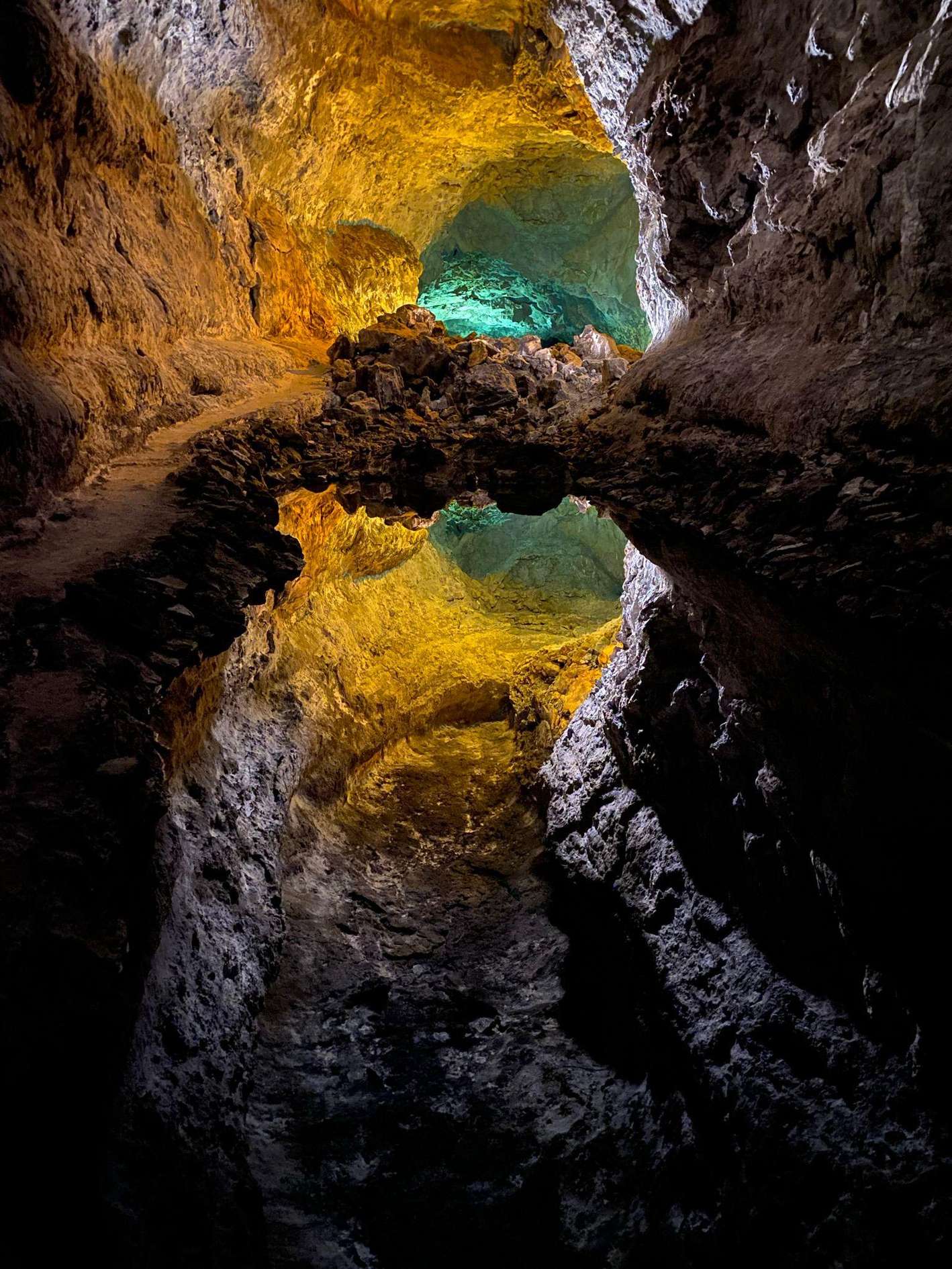
Lava tube trips across the island, in half-day and full-day formats.
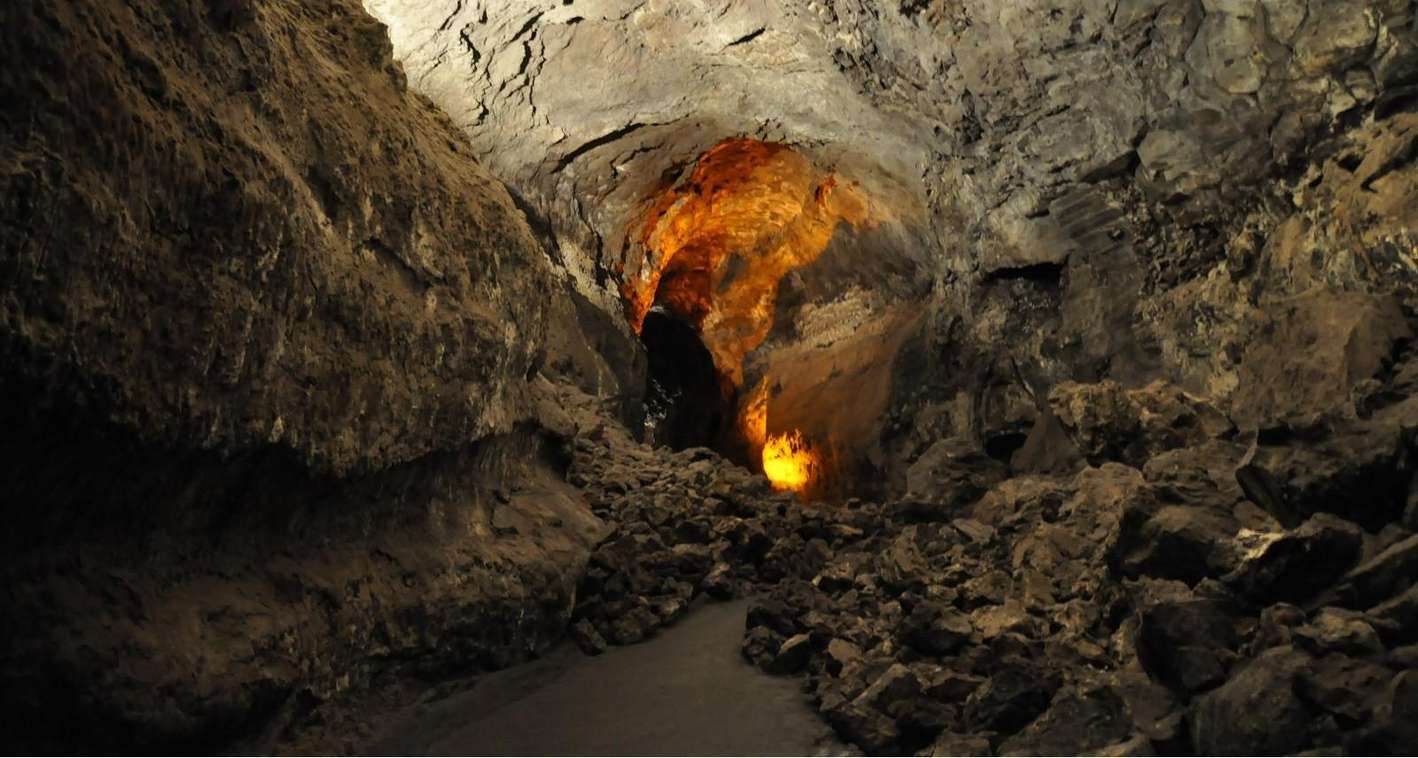
Tickets, opening times and directions for Cueva de los Verdes in the north.

The Jameos del Agua lake, its blind white crabs and the cave architecture.
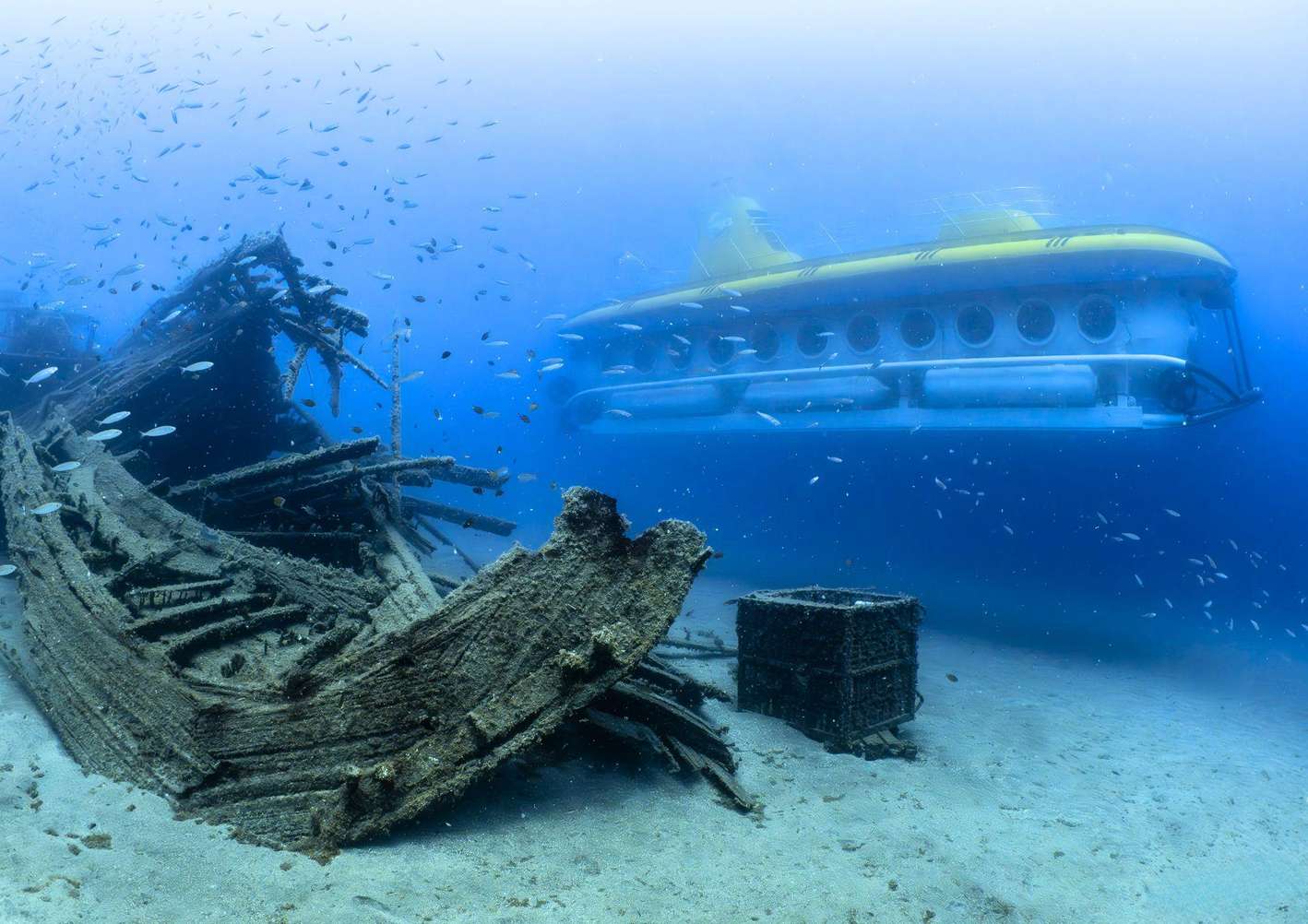
A dive to the seabed off Puerto Calero without getting your hair wet.
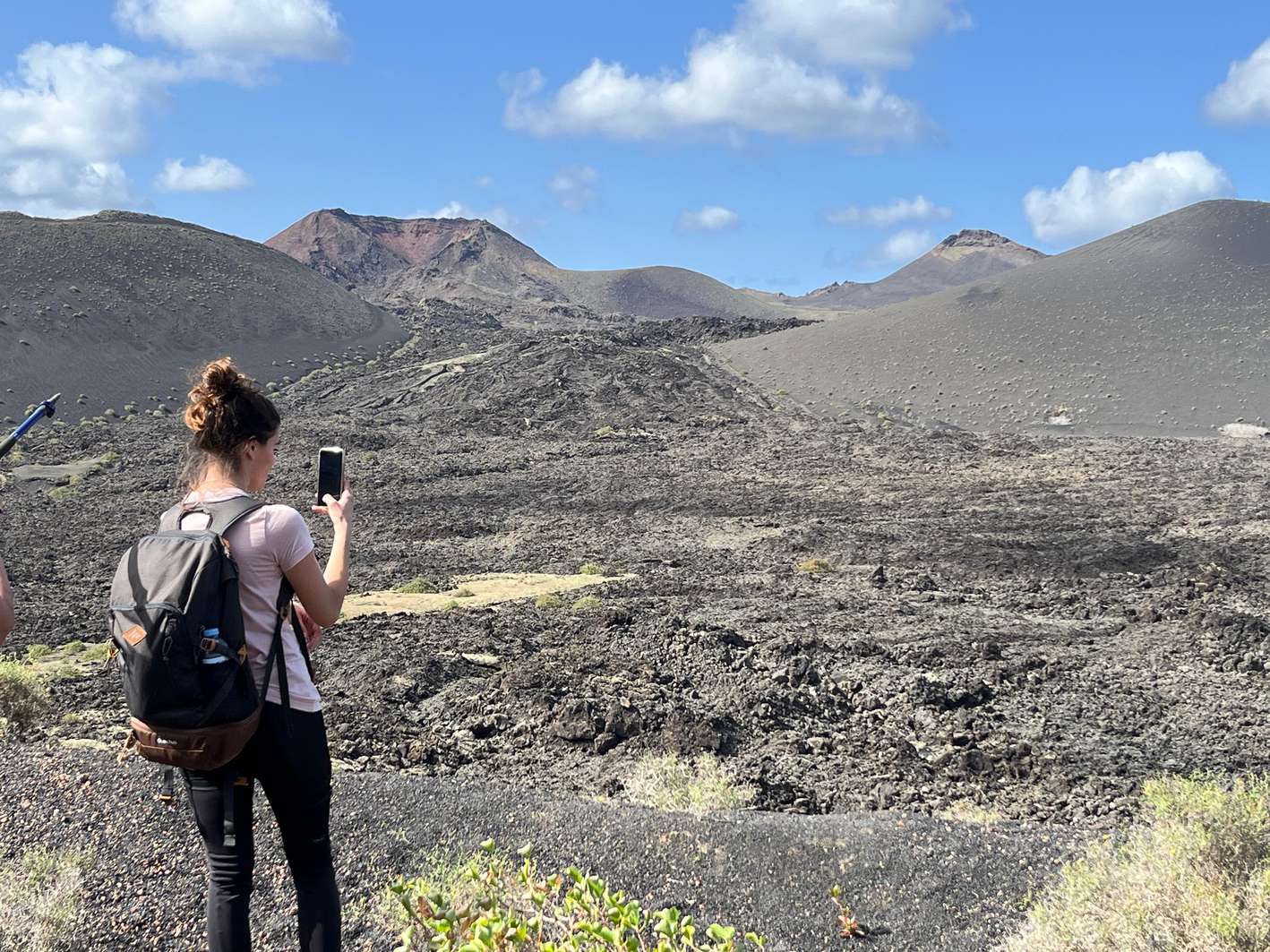
Guided volcano treks for hikers, a solid option when morning winds clean up late.

César Manrique sights and the LagOmar house, for a culture day between swells.
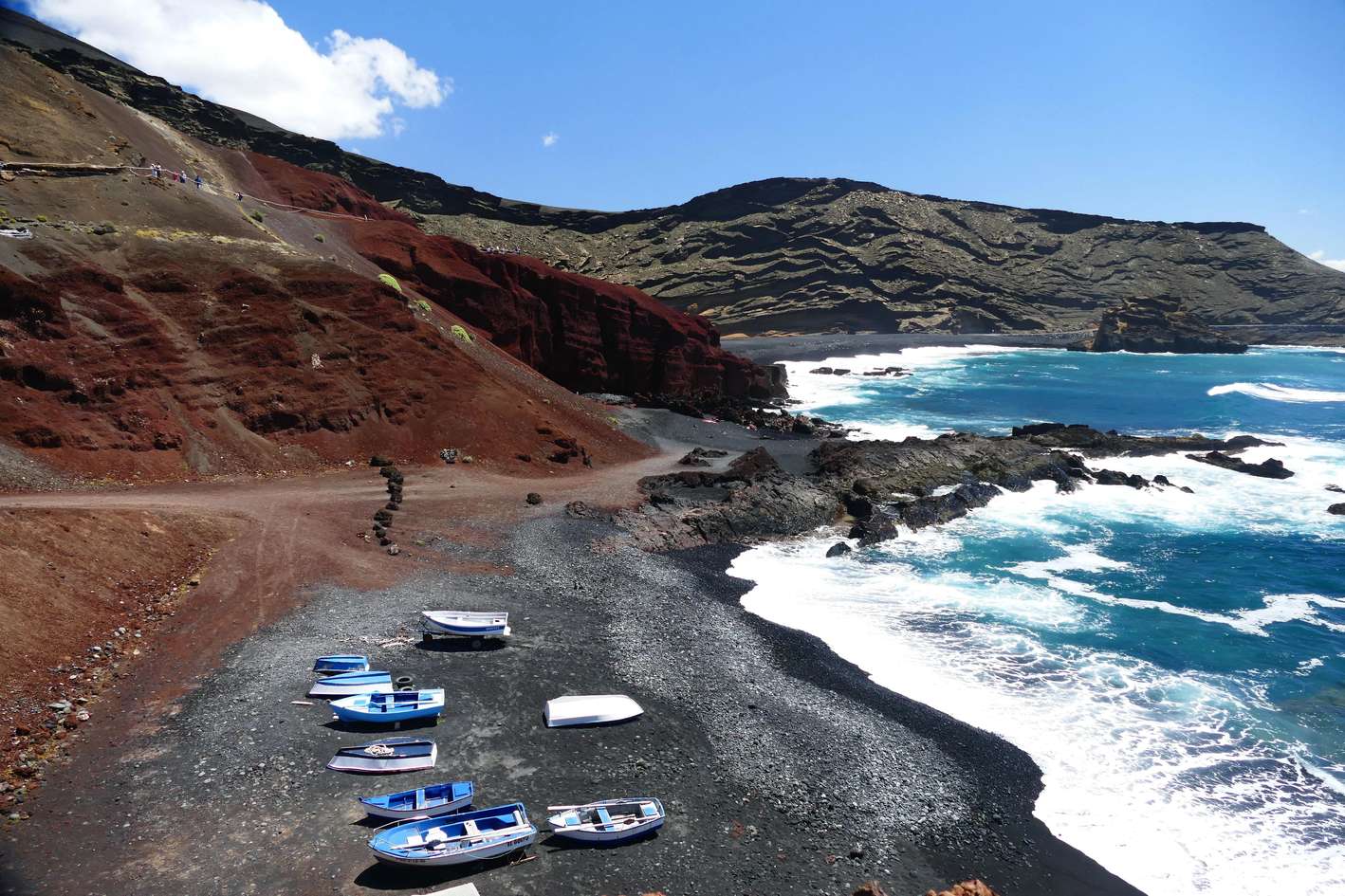
Shore excursion options if you are in port for a single day on a cruise ship.

Day trips from Corralejo, useful if you are based across the strait for the waves.
The questions travelers ask before they book a surf lesson on this island, answered plainly.
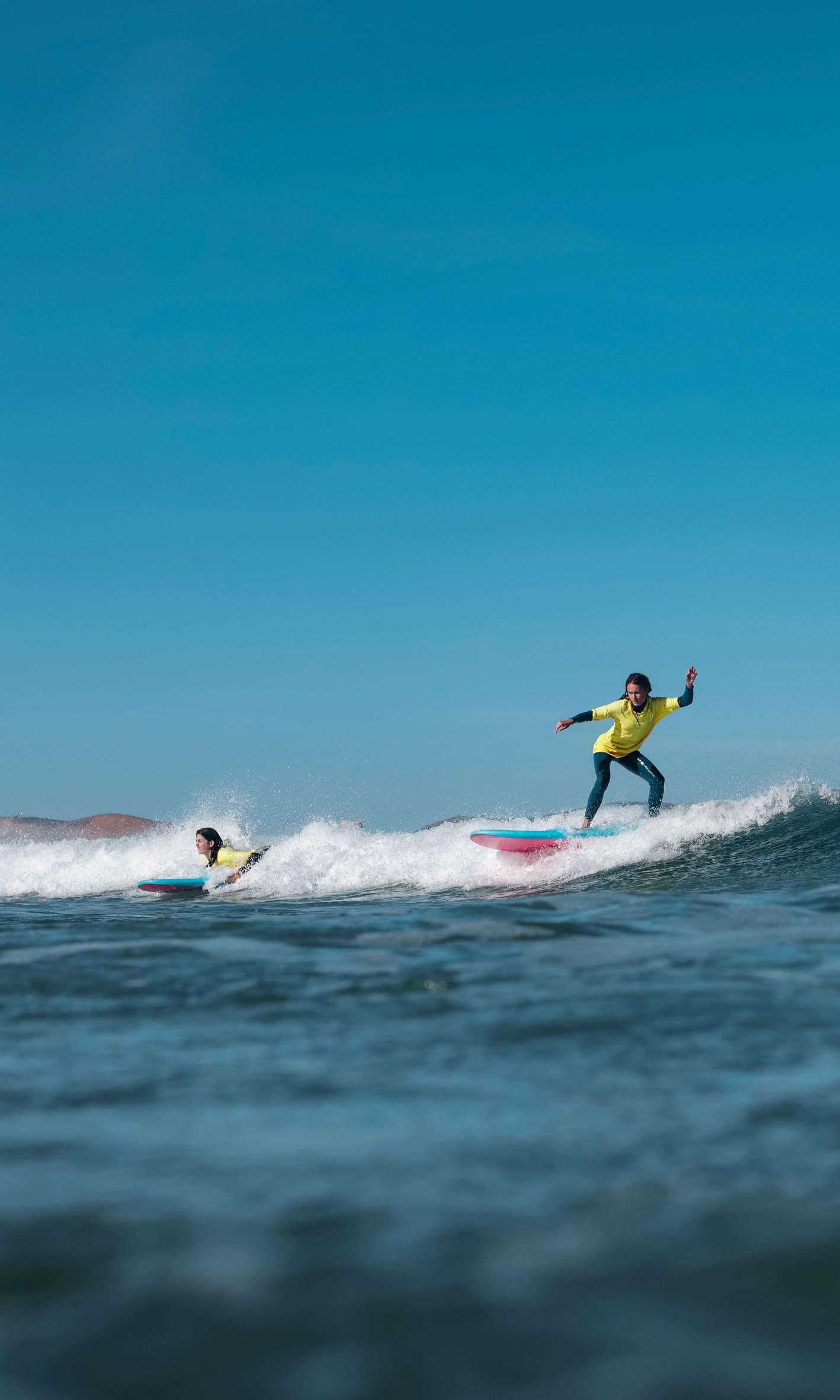 Caleta de Famara2026
Yes, and it is some of the best in the Canary Islands. From October through March, northwest groundswells deliver waves of 2 to 3 meters or more, and the island's reef breaks rank among Europe's finest.
Beginner lessons take place on sandy beach breaks, mainly at Famara, where you practice over sandbars in waist-deep whitewater. Schools avoid the volcanic reef breaks entirely, so you never paddle over lava shelves.
Fuerteventura has more long sandy beach breaks for a full beginner trip, while Lanzarote leans towards powerful reef breaks for advanced surfers. Lanzarote still has Famara, a major sandy beach break for beginners in the whitewater and intermediates on the outside peaks.
October to March brings the biggest, most consistent swells, though waves run head-high to overhead on exposed reefs. June to August suits beginners best, with smaller, gentler waves and water warm enough for a shorty wetsuit.
A 3/2 mm full wetsuit covers January through May, when the water sits between 18°C and 19°C. From June to August the ocean warms to 21°C to 23°C, so a 2 mm shorty or rash vest works, though many surfers wear the 3/2 year-round. Every lesson includes one.
Lessons come with a surfboard suited to your size and level, a wetsuit, and a safety rash guard. You only bring swimwear, a towel, sunscreen, and water.
Surf lessons in Famara run with a maximum of 5 students per instructor, so you get close attention in the water and on the sand.
Yes, with a usual minimum age of 3 or 4 years old, and babies under 1 year old are not permitted. Schools group students by level and language.
Beginners surf the sandy stretches of Playa de Famara, plus Caleta Caballo, Playa de las Cucharas, and Playa de la Garita. Advanced surfers head for the reefs at El Quemao, La Santa Left, Morro Negro, San Juan, and Jameos del Agua.
Base yourself in Caleta de Famara. You can walk to the beach peaks and the surf schools, and reach north-shore reef breaks like San Juan, Caleta de Caballo, and El Quemao within a 5- to 15-minute drive.
The northeast trade winds strengthen by mid-afternoon and chop up the sea. Mornings bring lighter winds and clean wave faces, which makes paddling and standing up far easier.
No, lessons are not suitable for non-swimmers, nor for people with heart problems or medical conditions that prevent physical activity. You need to be comfortable in the ocean.
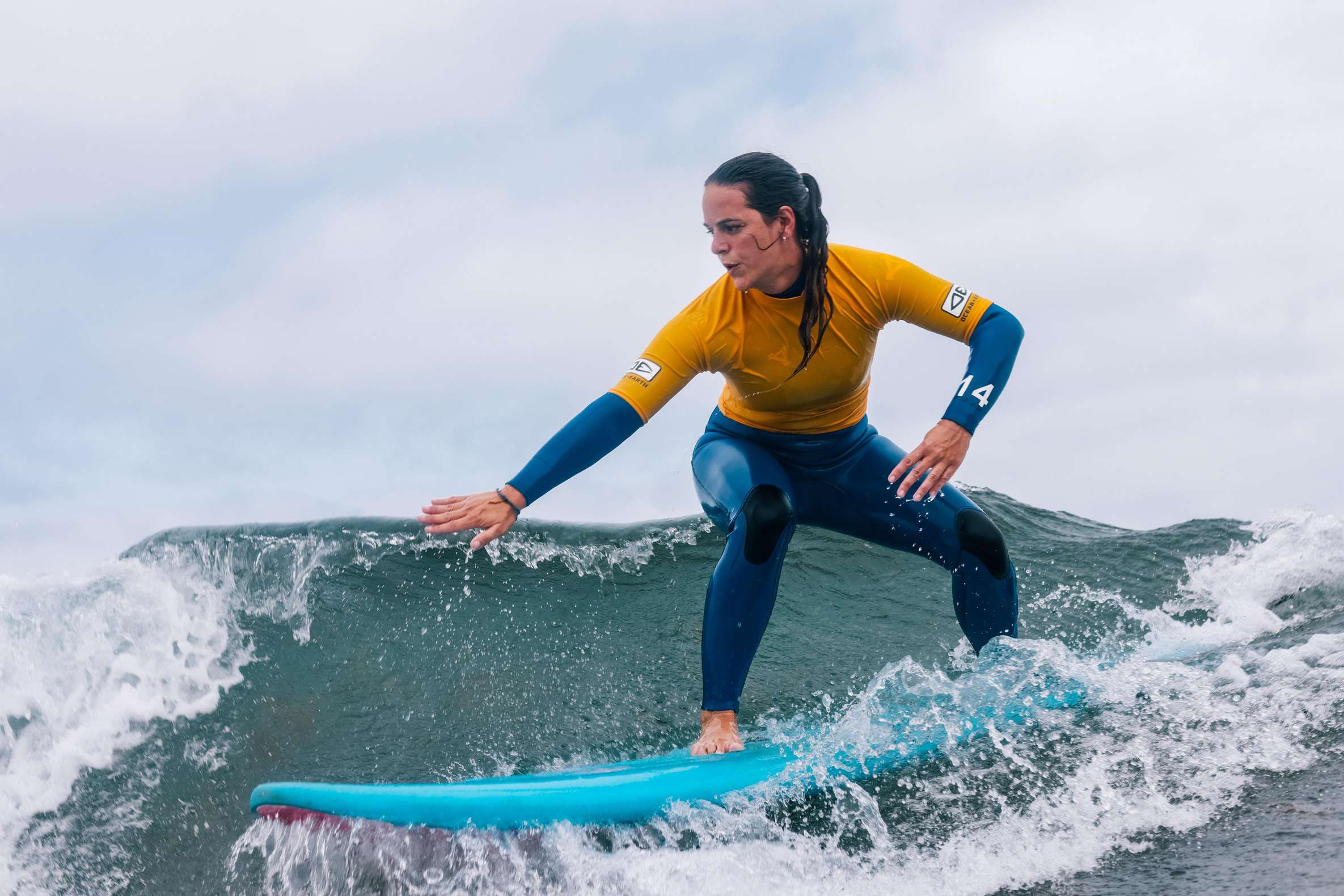
Book your Famara lesson with board, wetsuit and a certified instructor, and cancel free up to 24 hours before you hit the sand.