4.56,281 sailed out of Puerto del Carmen and found the pods
Dolphin Tour in Lanzarote from Puerto del Carmen Boat Trips and Sea Tours
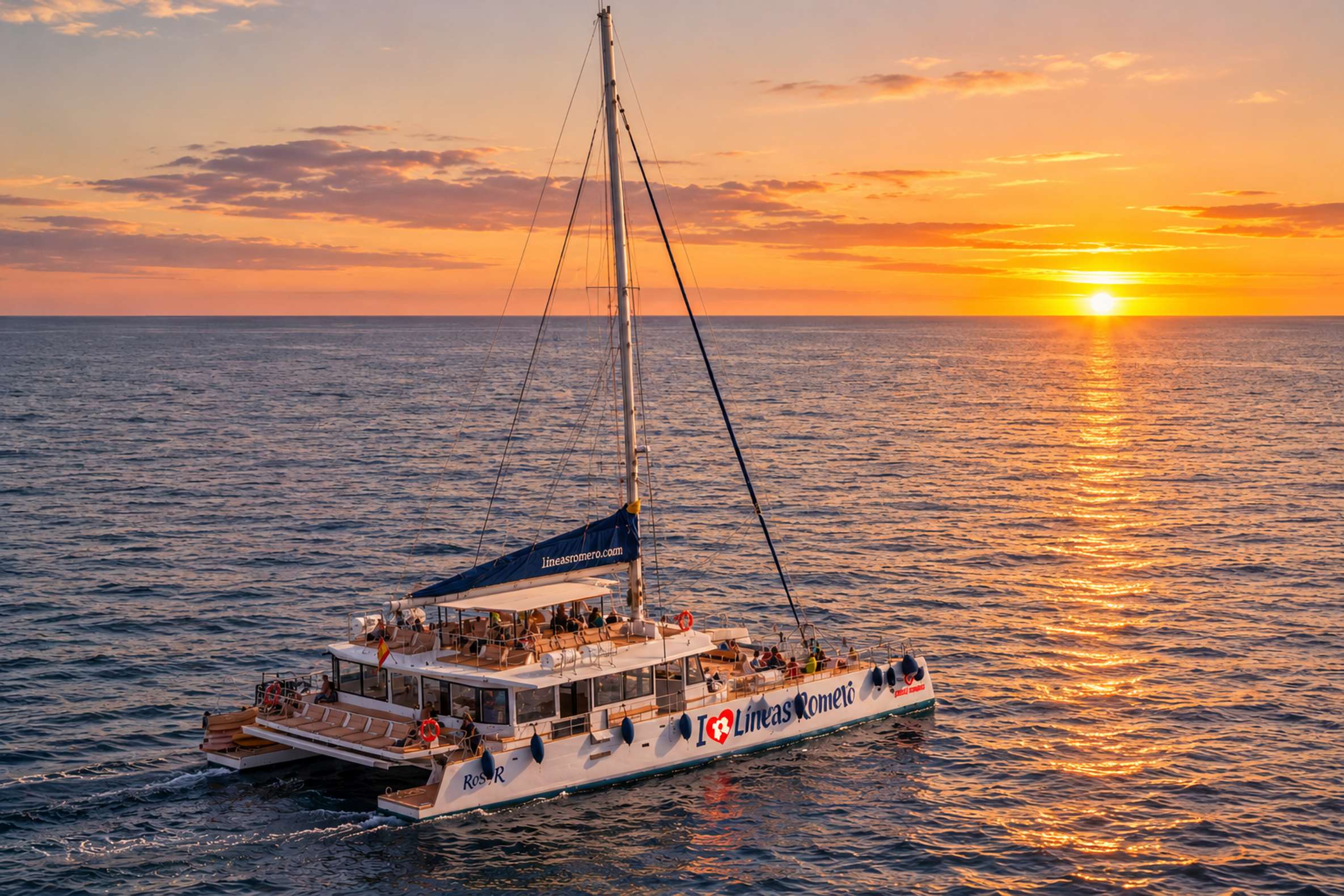
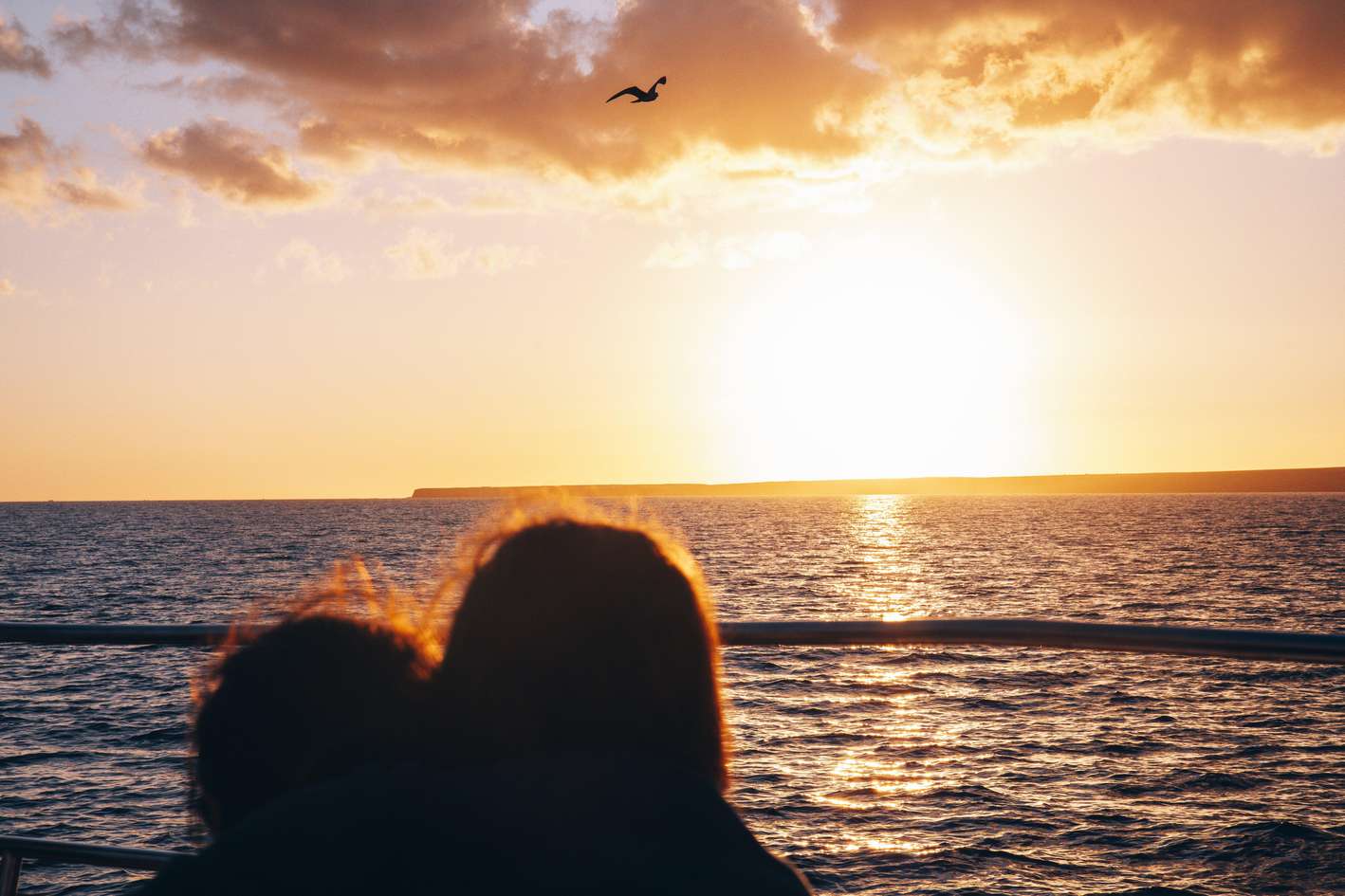
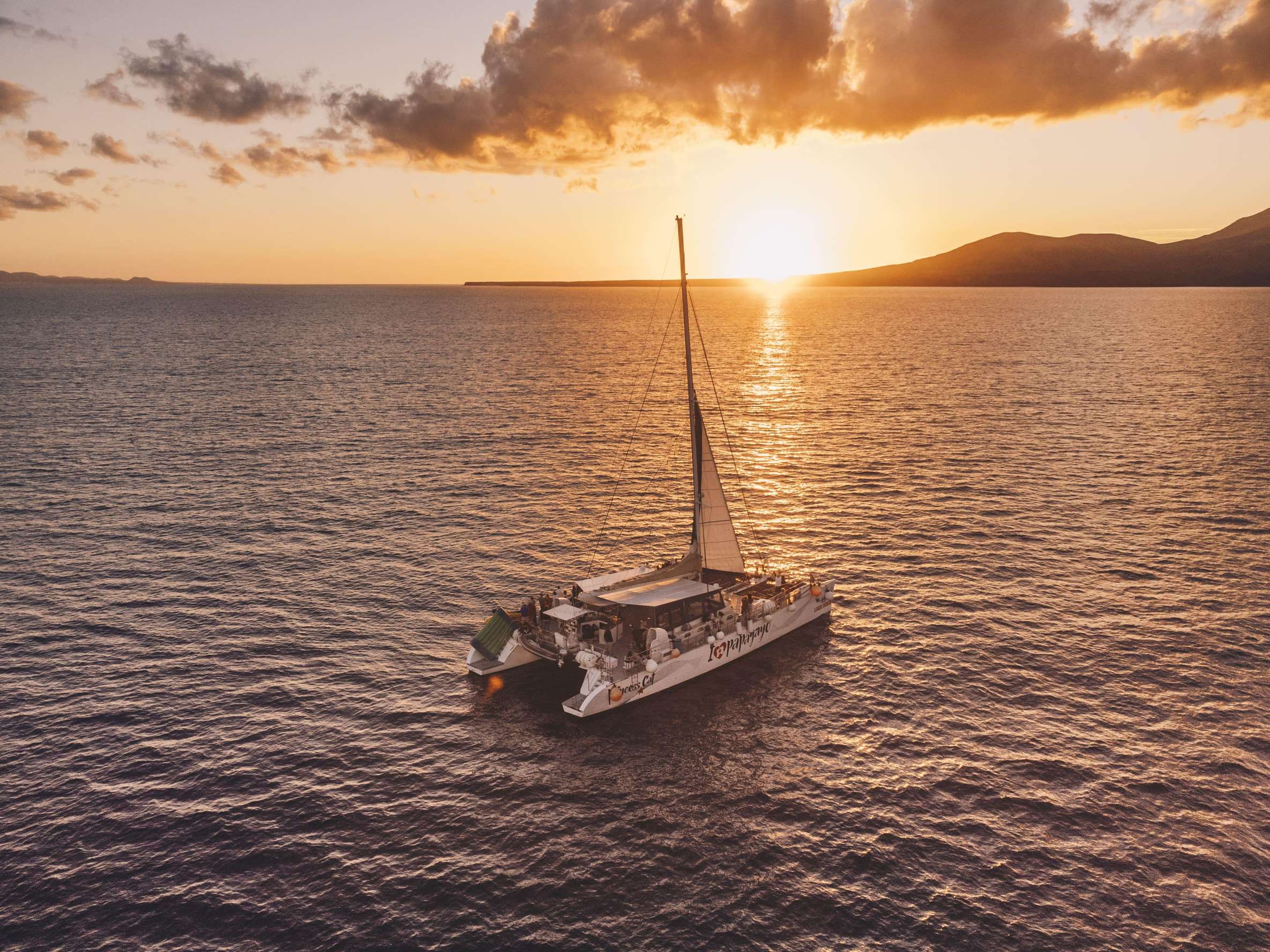
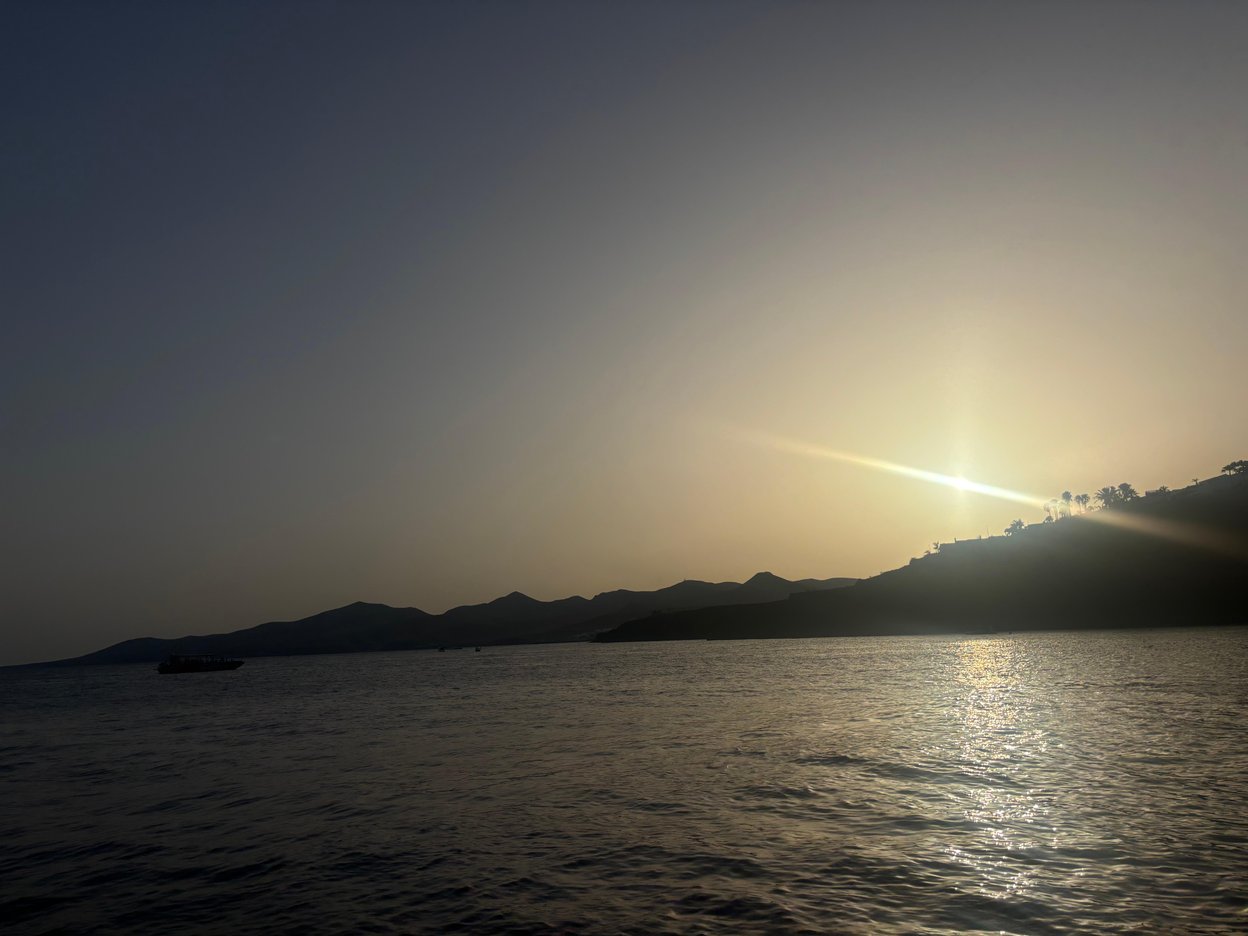
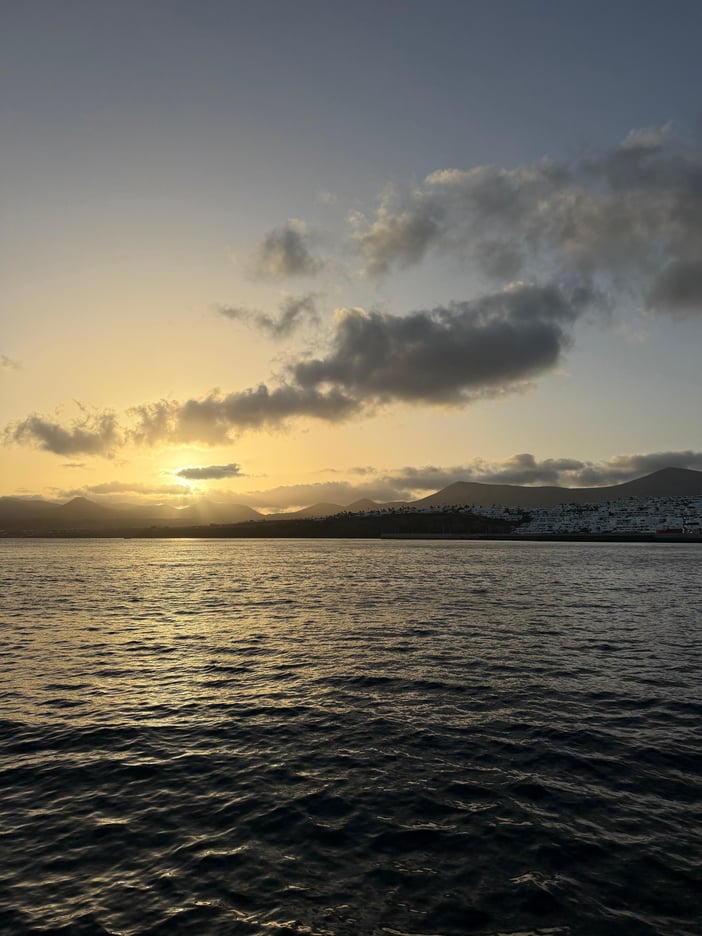
Watch wild dolphins ride the bow and sip a mojito as the sun drops over the coast. Book a date ahead and board right in Puerto del Carmen, on boats that keep a respectful distance from the pods. Pick your sunset cruise and set sail.
4.5★average rating6,281traveler reviews6 of 7free cancellation18countries travelers came from
Which dolphin tour in Puerto del Carmen suits you
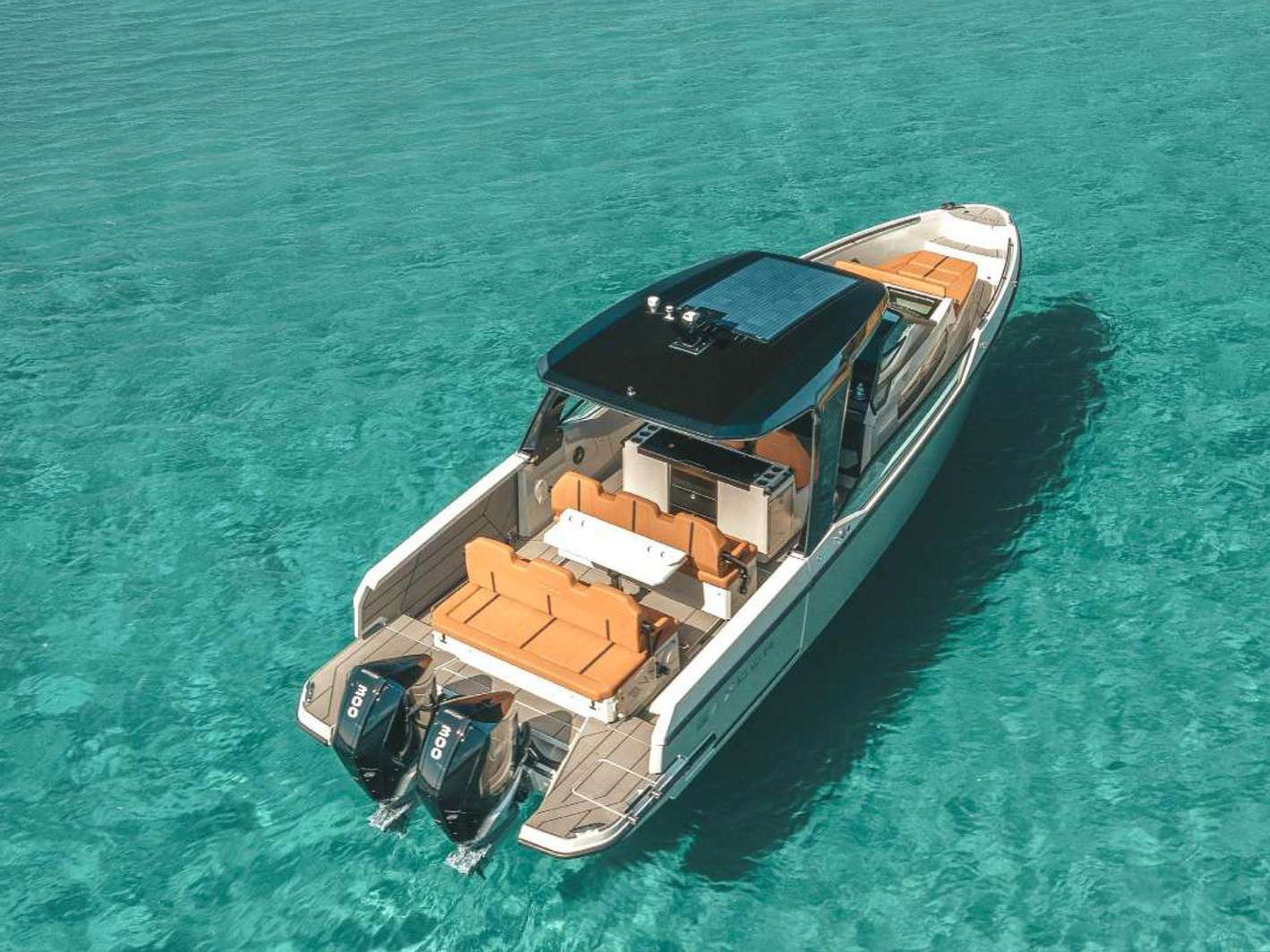
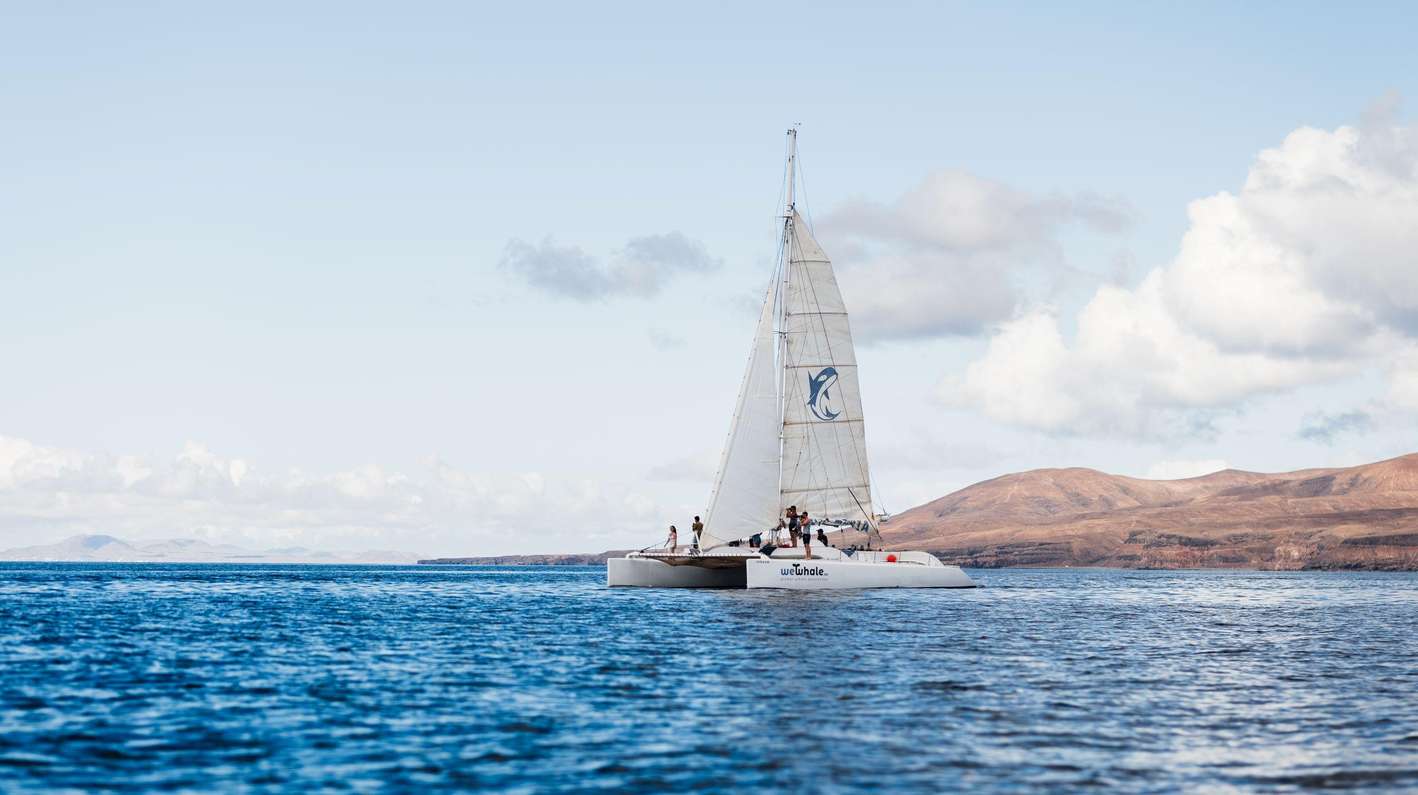
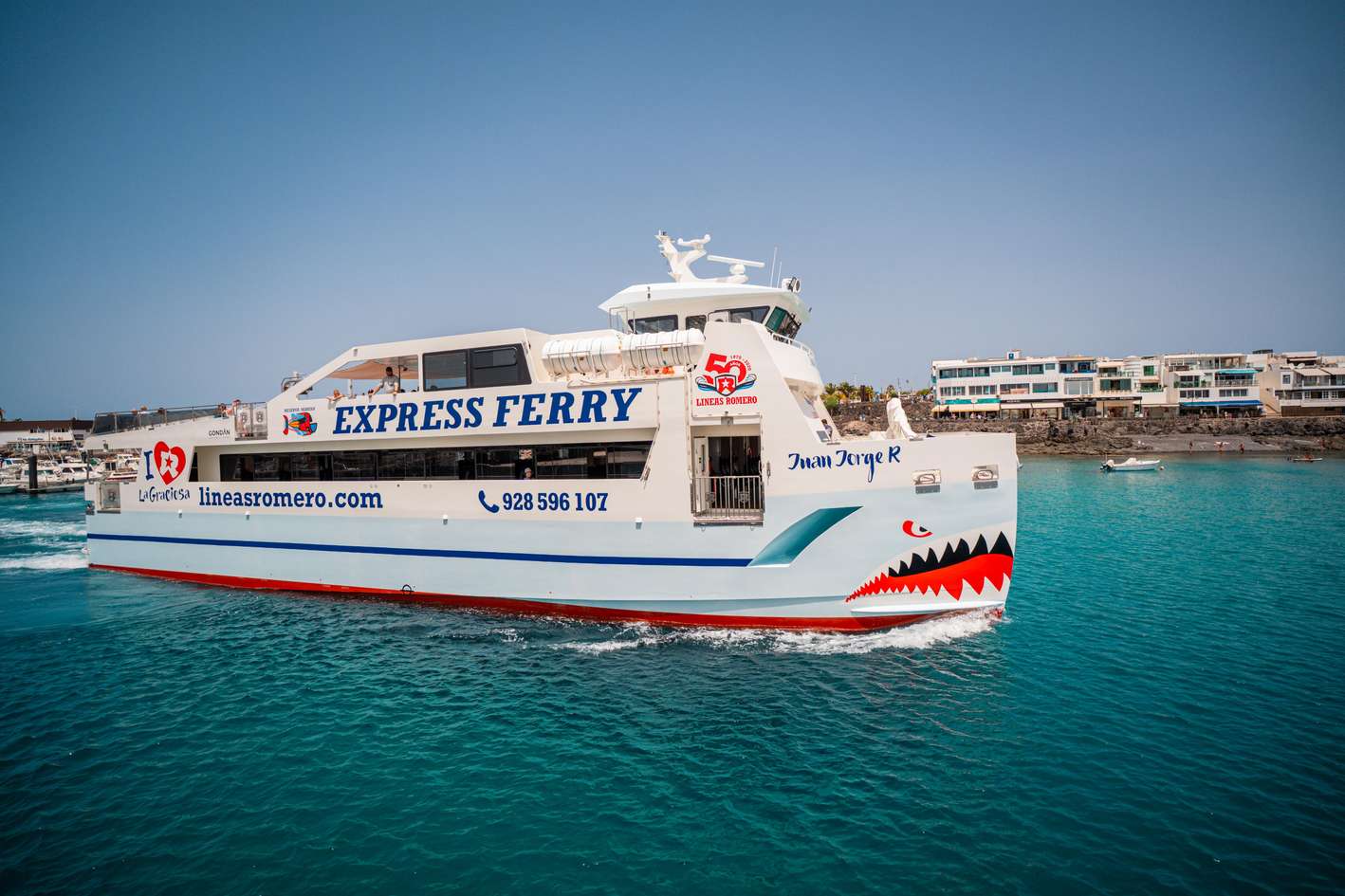
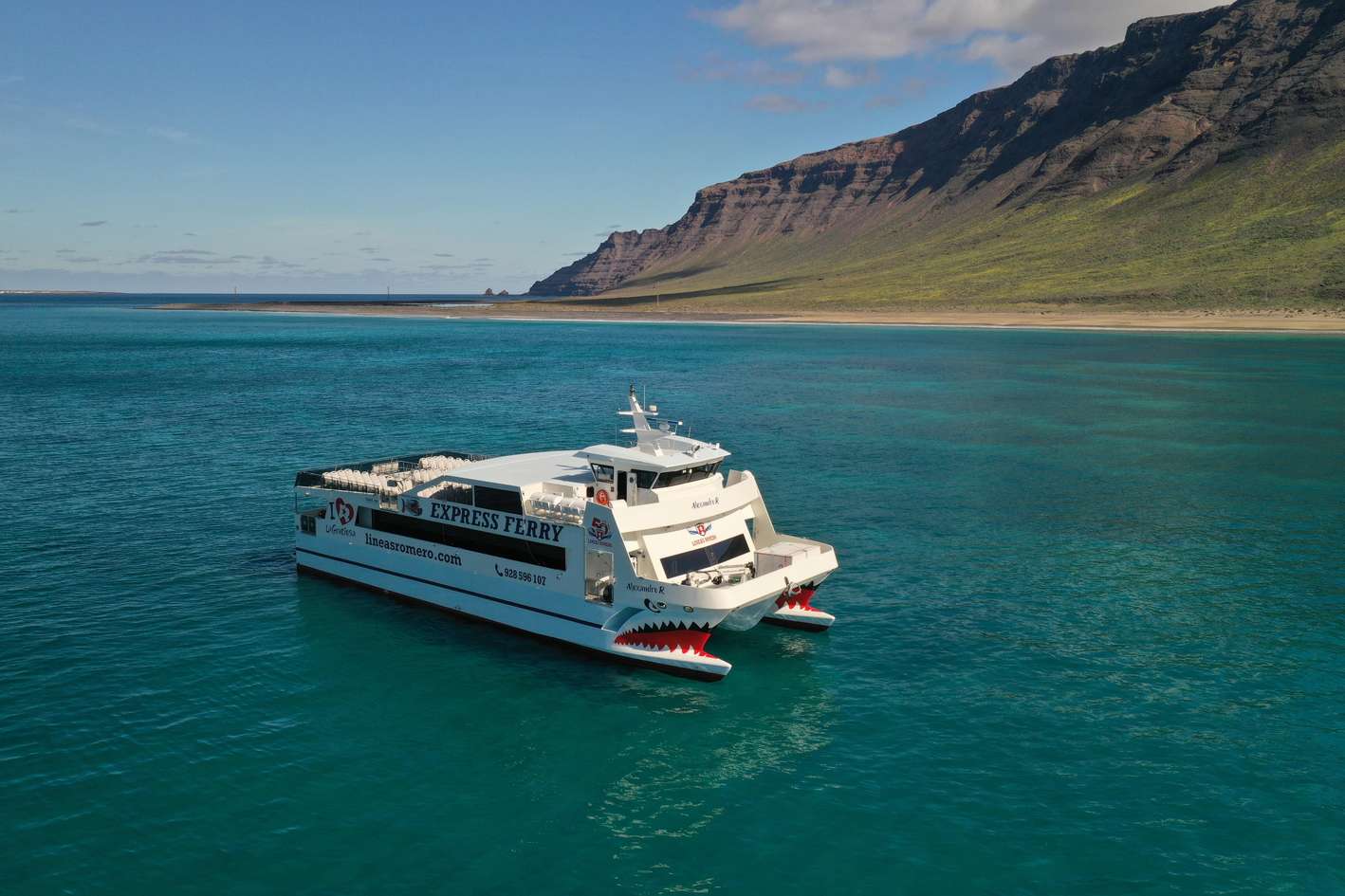
Dolphin trips out of Puerto del Carmen come in three main shapes: a fast speedboat ride, a wide and steady catamaran cruise, and a private yacht that also reaches Lobos Island. The choice comes down to how much time you have on the water and how you want to spend the evening. Every option heads offshore to look for wild pods along the coast.
SightingsDolphins are wild and free-roaming, so no boat can promise a sighting, and no refund or rebooking follows a trip without one.
TimingSunset cruises start around the light, so departure shifts through the year, earlier in winter and later in summer.
LayersThe open sea feels noticeably cooler than the resort even in summer, so bring a jacket or warm clothing for the return leg.
ChildrenBoats leaving Puerto del Carmen welcome children of all ages, including toddlers of two or three.
MobilitySpeedboat dolphin cruises are not suitable for wheelchair users, and the sunset catamaran bans non-folding wheelchairs.
SeasicknessFast speedboats can bump through Atlantic swells, so prone passengers should pack motion sickness remedies and protect phones in waterproof pouches.
ConductTouching marine life is strictly prohibited, and boats keep their distance from wild dolphins under local rules.
Dietary needsVegetarian and vegan meals can be arranged with advance notice, while gluten-free options cannot be guaranteed.
importantDolphins are wild, so no dolphin cruise from Puerto del Carmen can promise a sighting, and no refund or rescheduling follows if the pod never shows.
Pick a morning departure from Puerto del Carmen, when calmer seas make sightings more likely, and treat the coastal views, sunset and drinks as part of the day; cancel free of charge up to 24 hours ahead if the forecast looks rough.
The best dolphin watching Puerto del Carmen trips
Best sunset cruise
2 hours·German, French
4.2(3,277)
Lanzarote: Dolphin-Watching Sunset Cruise with Transfers
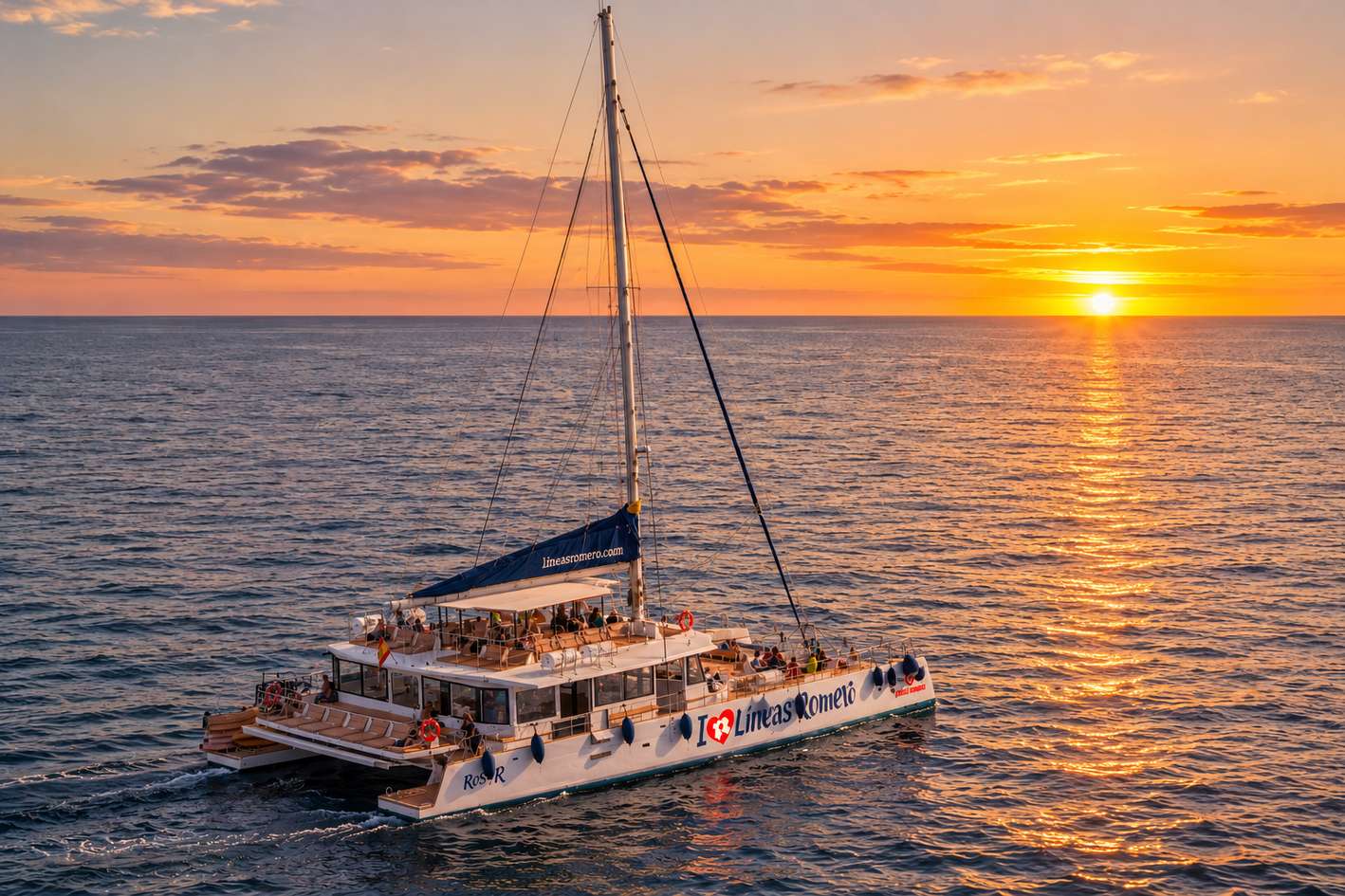
A 2-hour catamaran evening with a welcome mojito, snack box and transfers, all from your hotel door.
Free cancellationHotel pickup includedReturn transfer from pick-up point
What a dolphin tour from Puerto del Carmen is like
3 stopsabout 2 h12 places
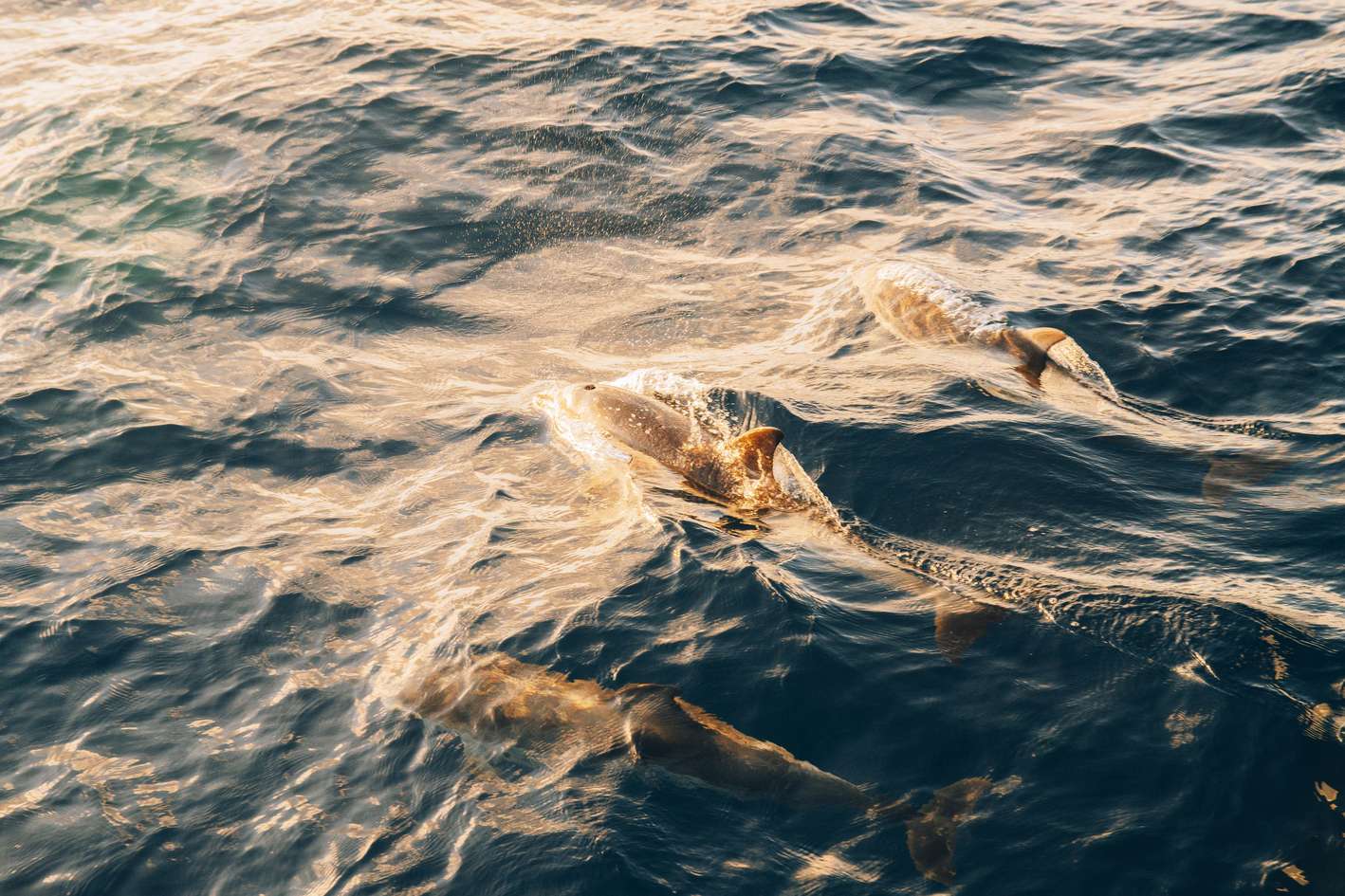
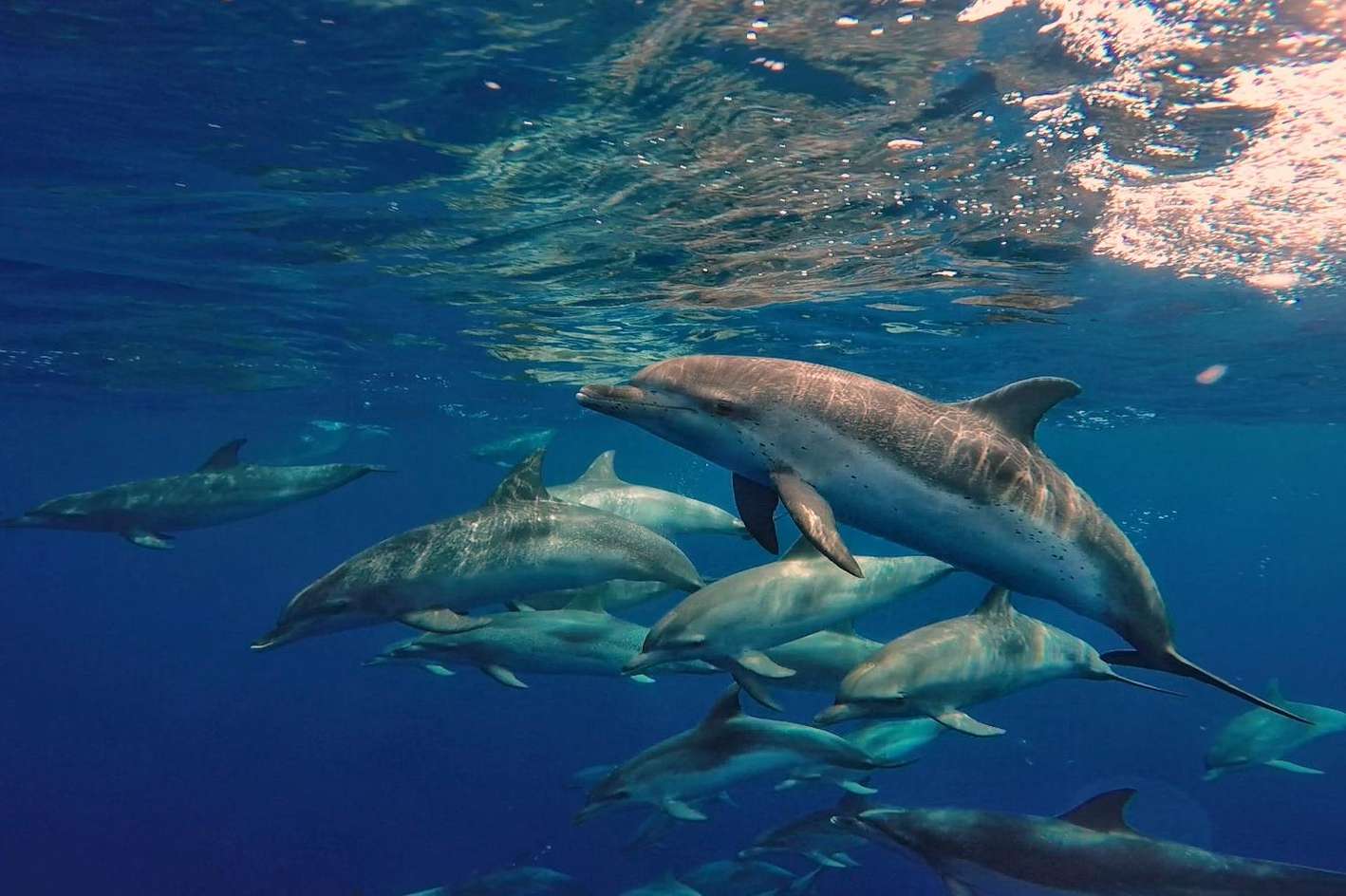
The boat heads about 3 nautical miles offshore, where the volcanic seabed drops away fast and common bottlenose dolphins feed. Pods often swim right up to the hull, and pilot whales and Risso's dolphins live in the same deep channel year round. Sperm whales pass through too.
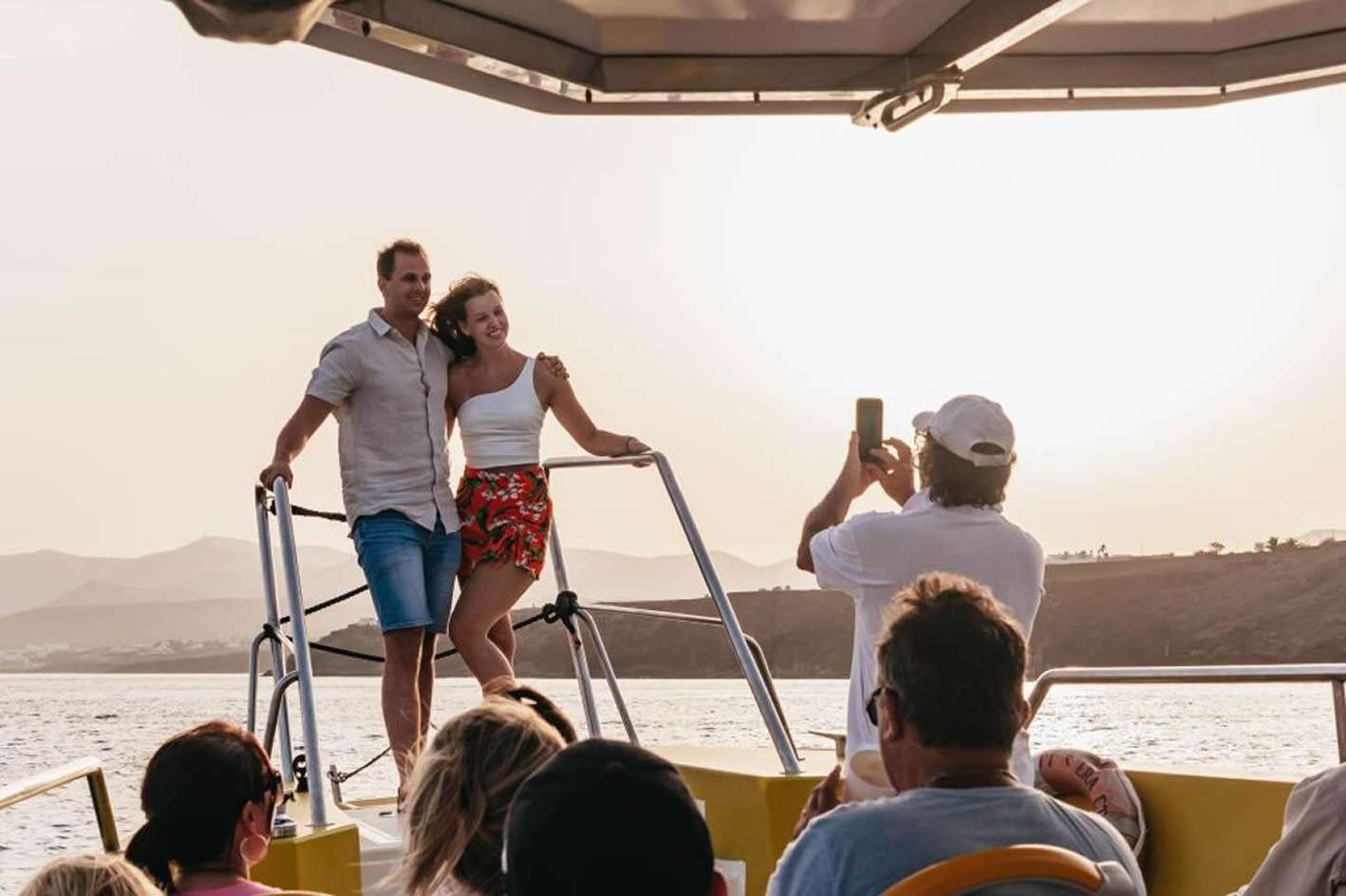
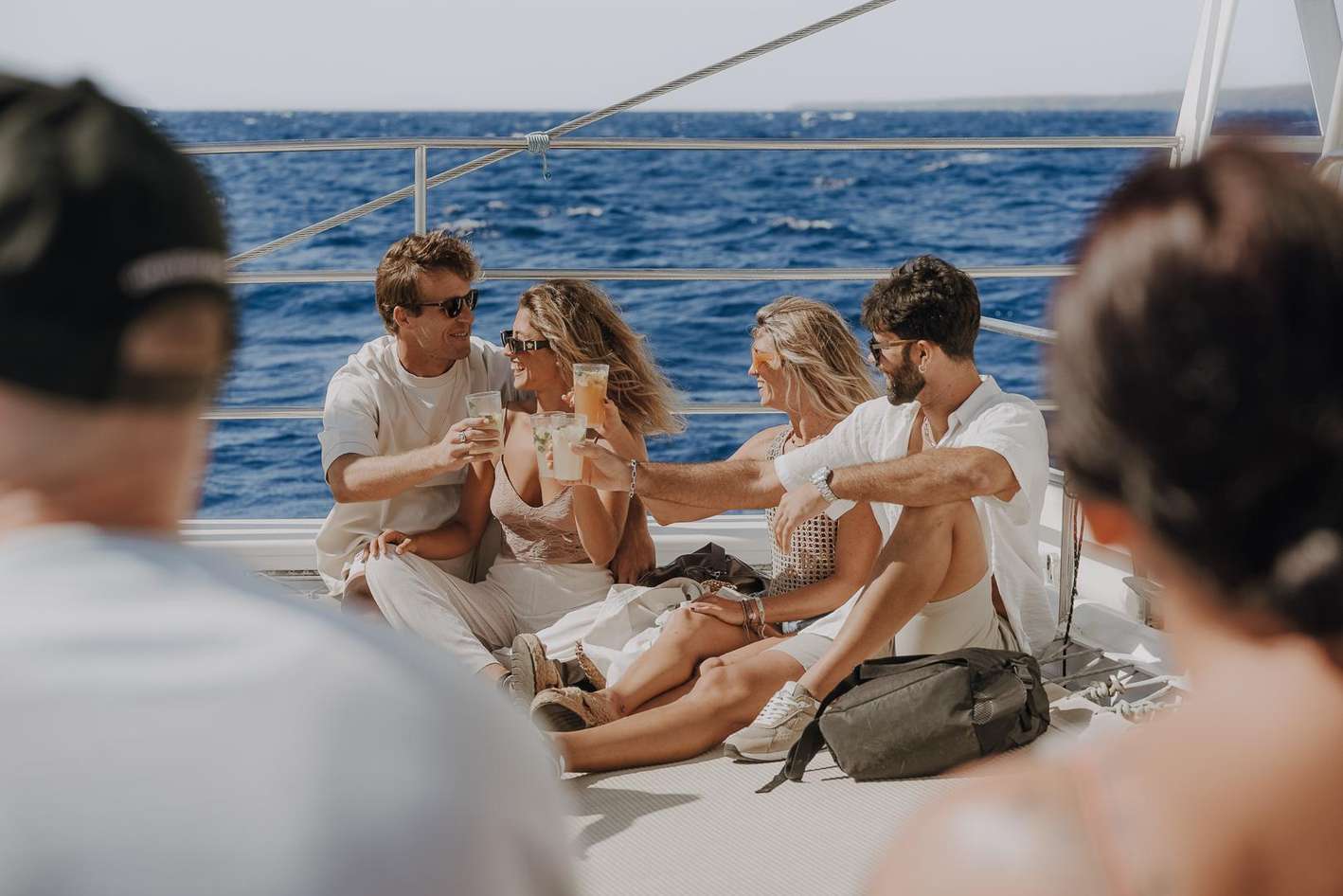
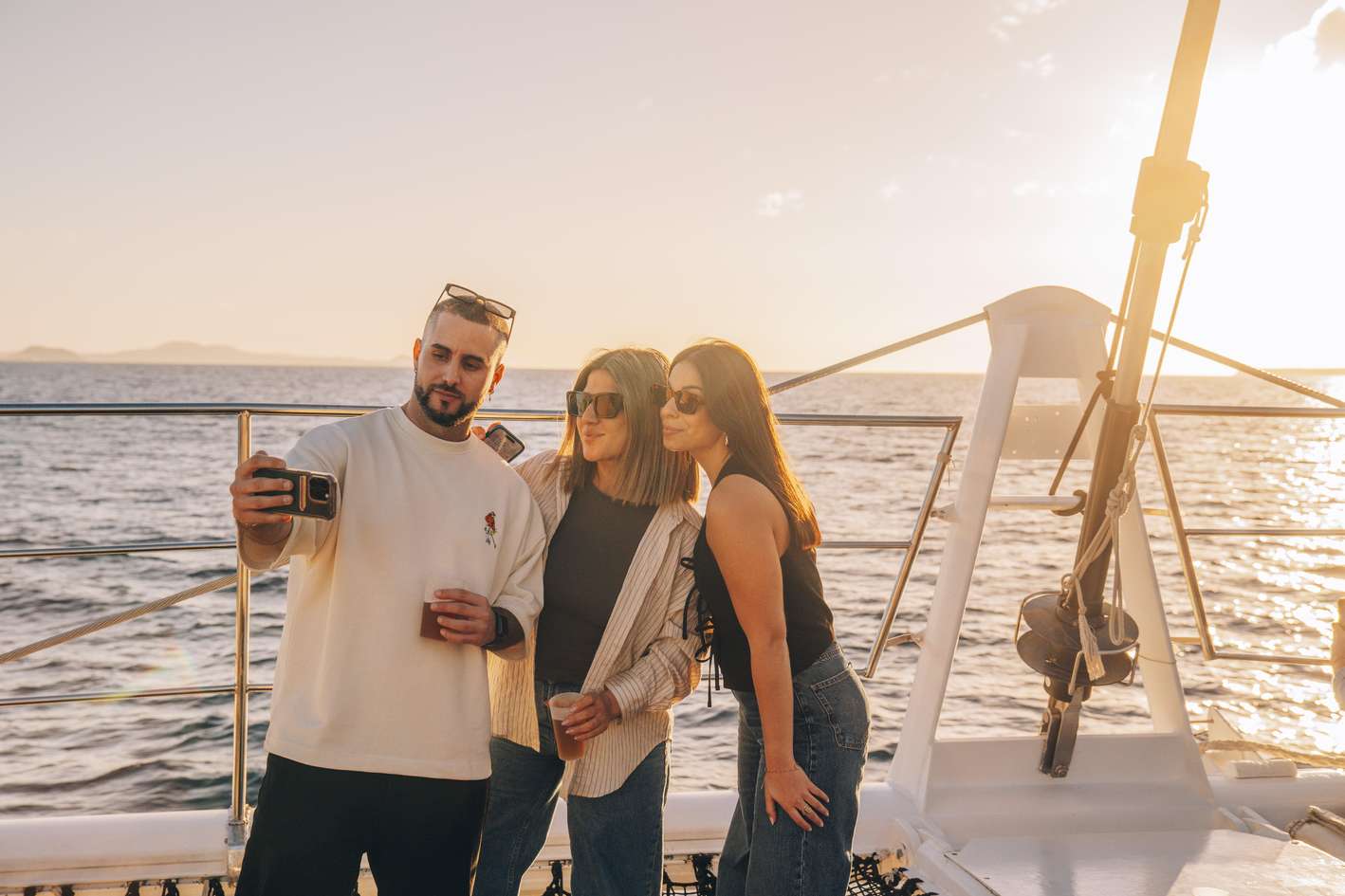
Over the two hours on the water you sail the Puerto del Carmen coastline at golden hour with a welcome mojito, a second drink and a snack box. The crew keeps an eye out for fins and adjusts course when animals appear, so the exact route changes with the sea and the sightings.
Pickup17 places, depending on your optionStreet View2Puerto del Carmen· 120 minTwo hours on a spacious catamaran sailing the volcanic coastline at sunset, mojito and snack box in hand, watching for wild bottlenose dolphins offshore.Drop-off17 places, depending on your optionStreet View
Where the other tours go
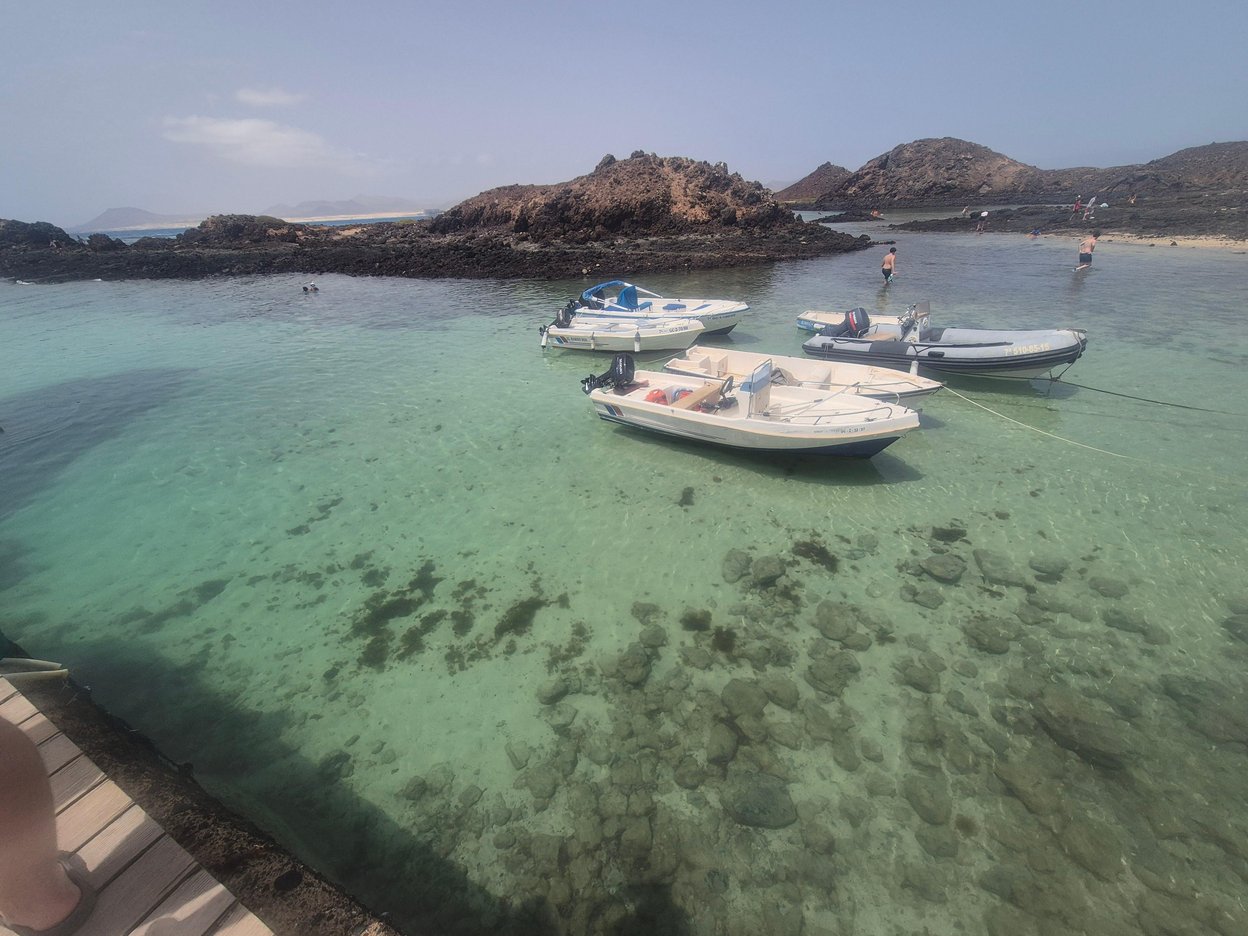
V9P8+WX Puerto del CarmenLobos Island, Fuerteventura
Lanzarote: Lobos Island Half-Day Dolphin Watching Trip
Most reviewers praise the crew, saying the guides searched hard for dolphins and explained plenty about marine life.
Best surprise
Several travelers were surprised to also see whales, turtles and flying fish on the same trip.
Most common wish
A few families wished for more deck space, with packed boats leaving some sitting on cool boxes.
How to book a dolphin tour in Puerto del Carmen
01
Pick your date and season
Choose the day first, then check the departure time. Summer sailings leave around 6 pm, winter ones at 4 pm, because the boats aim for sunset. Cancel free up to 24 hours before, so book the day you want now.
Pro tipEvenings at sea get cold even in summer, so a boat day late in your holiday leaves room to reschedule
RecommendedFree parking at the harbour is limited, so arriving early matters
02
Choose the right option
Compare durations and boat styles: a 2-hour sunset catamaran, a 2.5-hour speedboat cruise, a half-day trip to Lobos, or a wildlife safari. Then pick with or without pickup. Read what each option includes before you confirm.
Pro tipMorning departures run on calmer water, which helps if anyone in the group feels seasick
ImportantSpeedboats on dolphin-watching trips can get bumpy, and the Lobos trip is not suitable for wheelchair users
03
Check the pickup rules
Pickup from Puerto del Carmen covers the main dolphin cruises, but rules differ per operator: one runs Puerto Calero pickups on Thursdays only, and bookings made within 24 hours may lose the pickup, sending you straight to the meeting point instead.
Common mistakeFirst-timers assume pickup works any day from any resort, then find their date has no pickup from their area
04
Book and read the confirmation
Pay online and you get an instant confirmation with the meeting point and the operator's contact details, including any last-minute messages on the day. The e-ticket or QR code on your phone is all you need, no printing.
RecommendedSave the confirmation offline before you leave the hotel wifi
05
On the day at the harbour
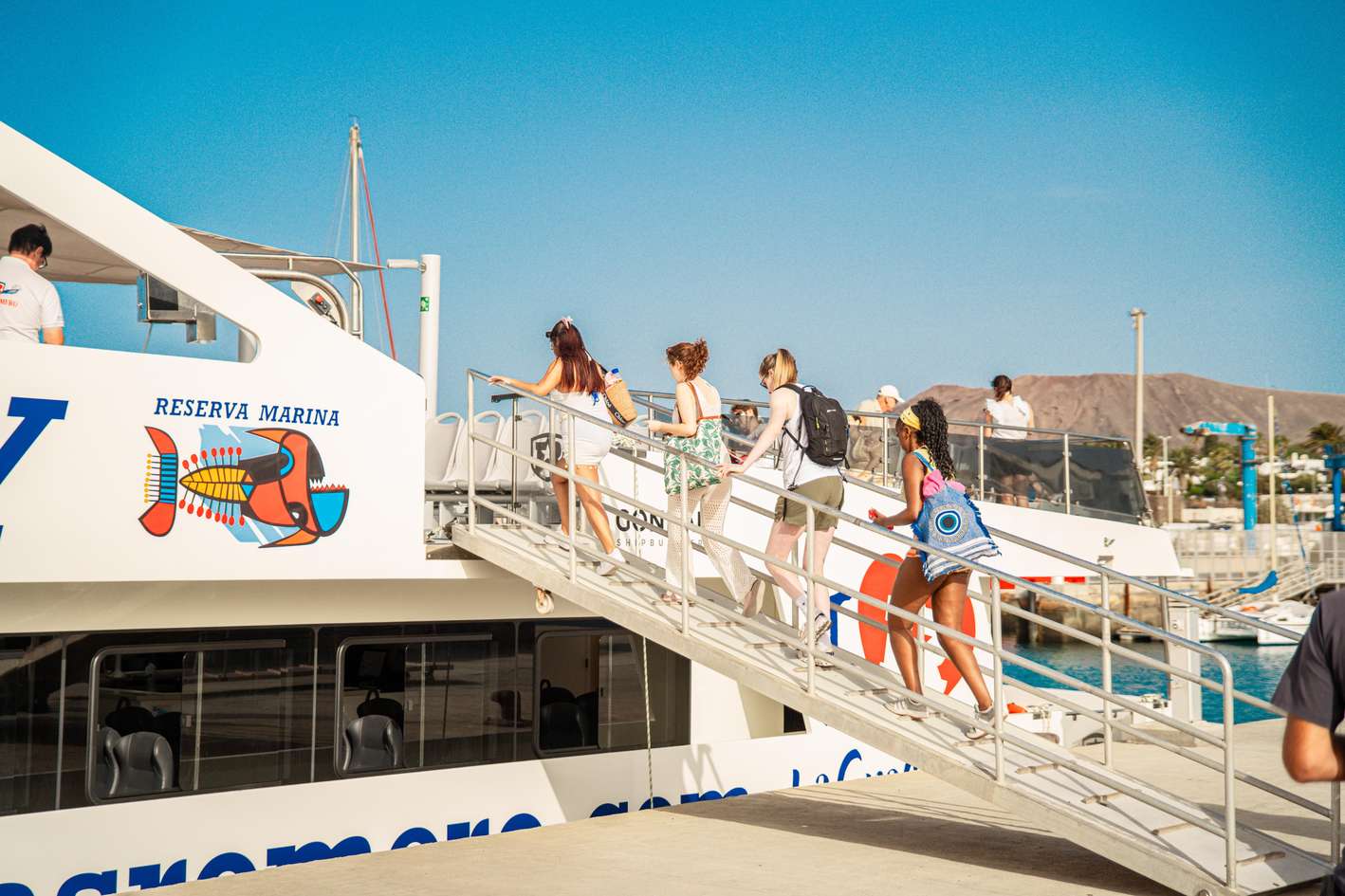
Arrive at El Varadero in Puerto del Carmen with time to spare and check in with your voucher. Bring a jacket, sun protection and your camera, then board and keep your eyes on the water.
ImportantWild sightings are never guaranteed, and no refund or rescheduling applies when a trip finishes without dolphins
Pro tipArrive hungry for the included drinks and pastries; vegetarian and vegan meals need notice the day before
What to know before you book a dolphin tour in Puerto del Carmen
Can stop the dayGood to knowGood news
01
ChoosingWhat it is, who it suits, when to go
3
Seasickness
If you are prone to motion sickness, choose a stable catamaran and sit in the open air with the horizon in view. Winter brings the roughest Atlantic swells between November and April, while summer seas stay calm on most days.
Drinks and food
Cruises include a welcome mojito, champagne, juice, or water, plus pastries or a snack box, depending on the trip. Vegetarian and vegan meals are possible if you ask a day ahead, but gluten-free options cannot be guaranteed.
Wildlife rulesCan stop the day
Responsible boats fly the official yellow Barco Azul flag, which certifies the crew for sustainable dolphin and whale watching. Swimming with the animals is illegal, so the crew keeps the required distance and watches from the deck.
02
BookingHow far ahead, and what happens if plans change
2
Sighting odds
Dolphins live off this coast all year, and boats usually head about 3 nautical miles offshore to find feeding pods. Morning trips have calmer water and better light, so pods show up more reliably then than at sunset. No operator refunds a cruise without sightings.
Cancellation
You can cancel up to 24 hours before departure for a full refund, and if rough sea forces the skipper to cancel, you get a new date or your money back. Book the morning slot if your holiday has one spare day.
03
Before you goPapers, health, what to bring
2
What to wear
Even on a summer evening the sea feels cold once the sun drops. Wear a light shirt to start, add a fleece or jumper after sunset, and keep a windproof jacket on top for the fast ride back to the harbour.
Children
Kids of every age can board, toddlers included, and young ones often doze through the smooth stretches. The only exception is the sea safari speedboat, which does not take children under 2 or pregnant women.
04
On the dayWhere to be, when, and how you get there
2
Meeting point
The sunset cruises run straight out of the old town harbour in Puerto del Carmen, so you walk to the pier instead of sitting on a bus. Some catamaran trips sail from the marina at Puerto Calero, and those come with hotel transfers or free harbour parking.
Pickup
Every cruise here includes hotel pickup and drop-off from the resort areas, either built into the tour or as a booking option. Book at least a day ahead and the shuttle collects you at your accommodation and returns you after the boat.
05
During the tourWhat is expected of you
1
Boat style
A speedboat gets you out fast but rocks in open swells, so protect your phone in a waterproof pouch. A wide catamaran rides steadier, and the fully electric one is quiet enough that the animals behave naturally while you listen to them underwater on the hydrophone.
Dolphin watching in Puerto del Carmen - when to go
Dolphins live off this coast in every month of the year, and the boats leave straight from the resort harbour. What nobody can promise is the sighting itself, and that decides how you should book.
Puerto Calero· 28.93° N, 13.63° W
If you only remember three things
1
Morning departures before 10 am give the flattest water and the best fin-spotting light.
2
Cancel free up to 24 hours before, but a trip that finds no dolphins pays nothing back.
3
Evenings at sea cool fast even in July, so a fleece goes in the bag whatever the forecast says.
Honest odds of dolphin watching in Puerto del Carmen
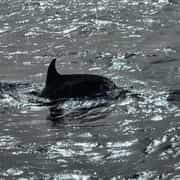
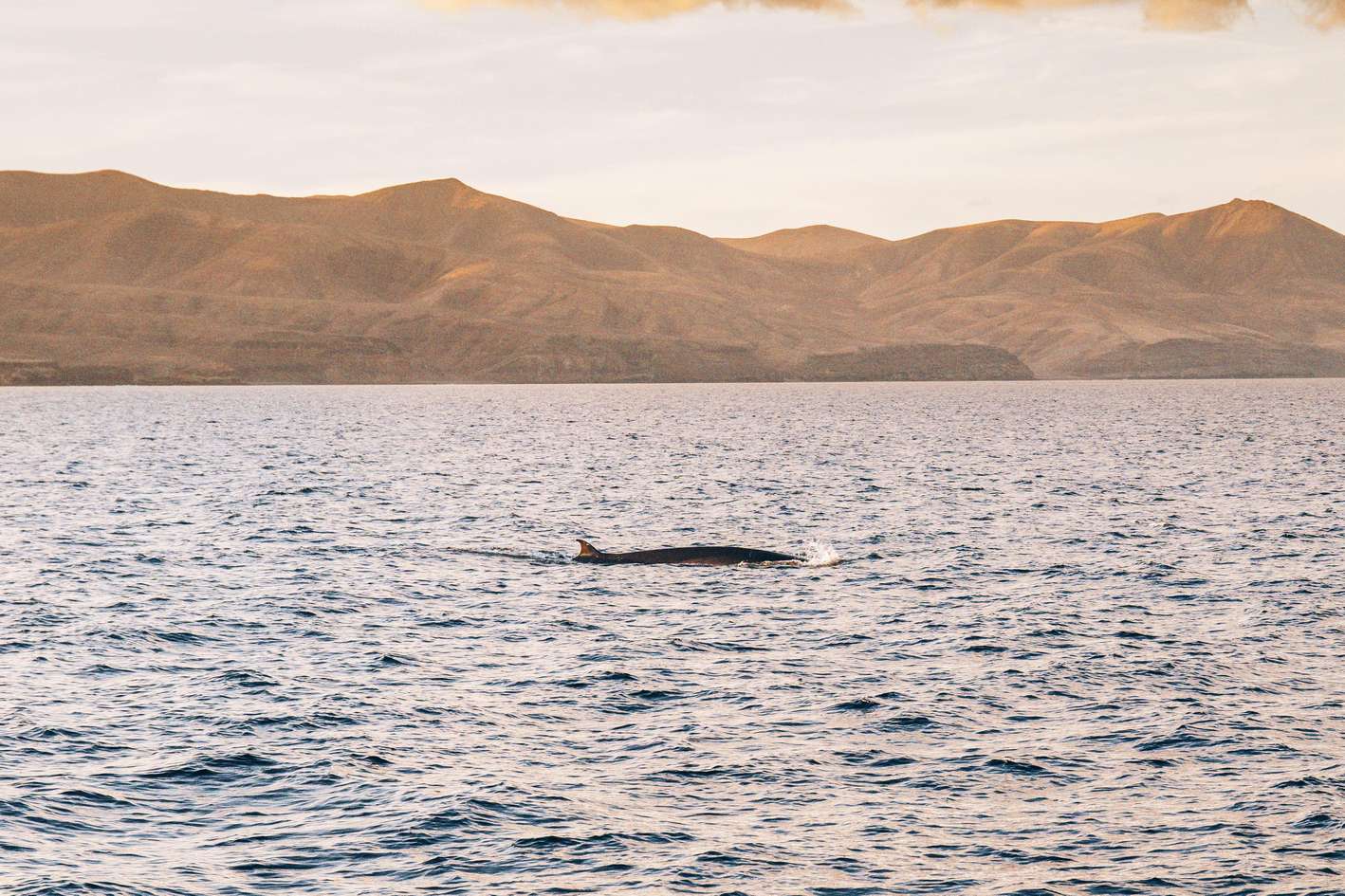
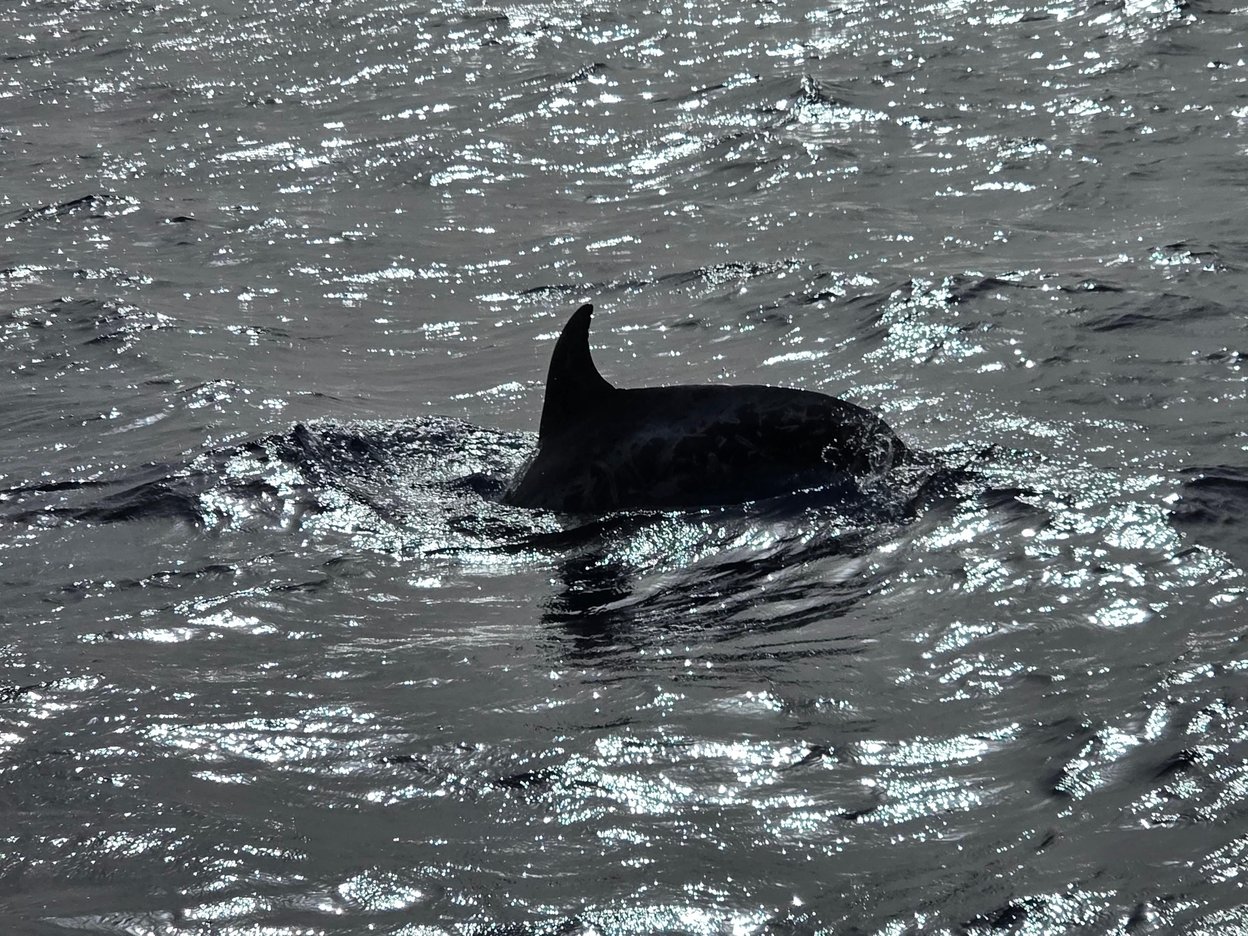
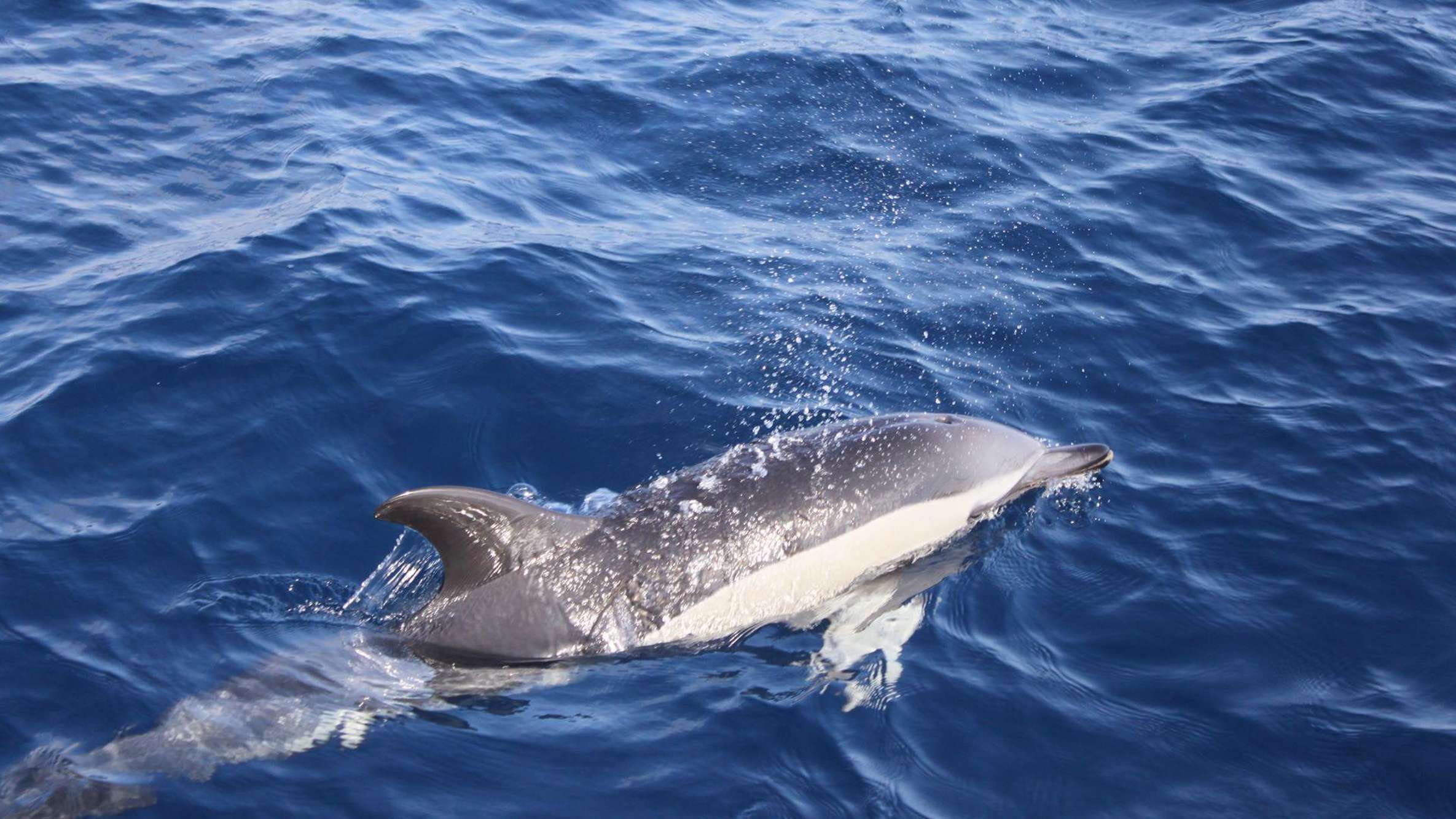
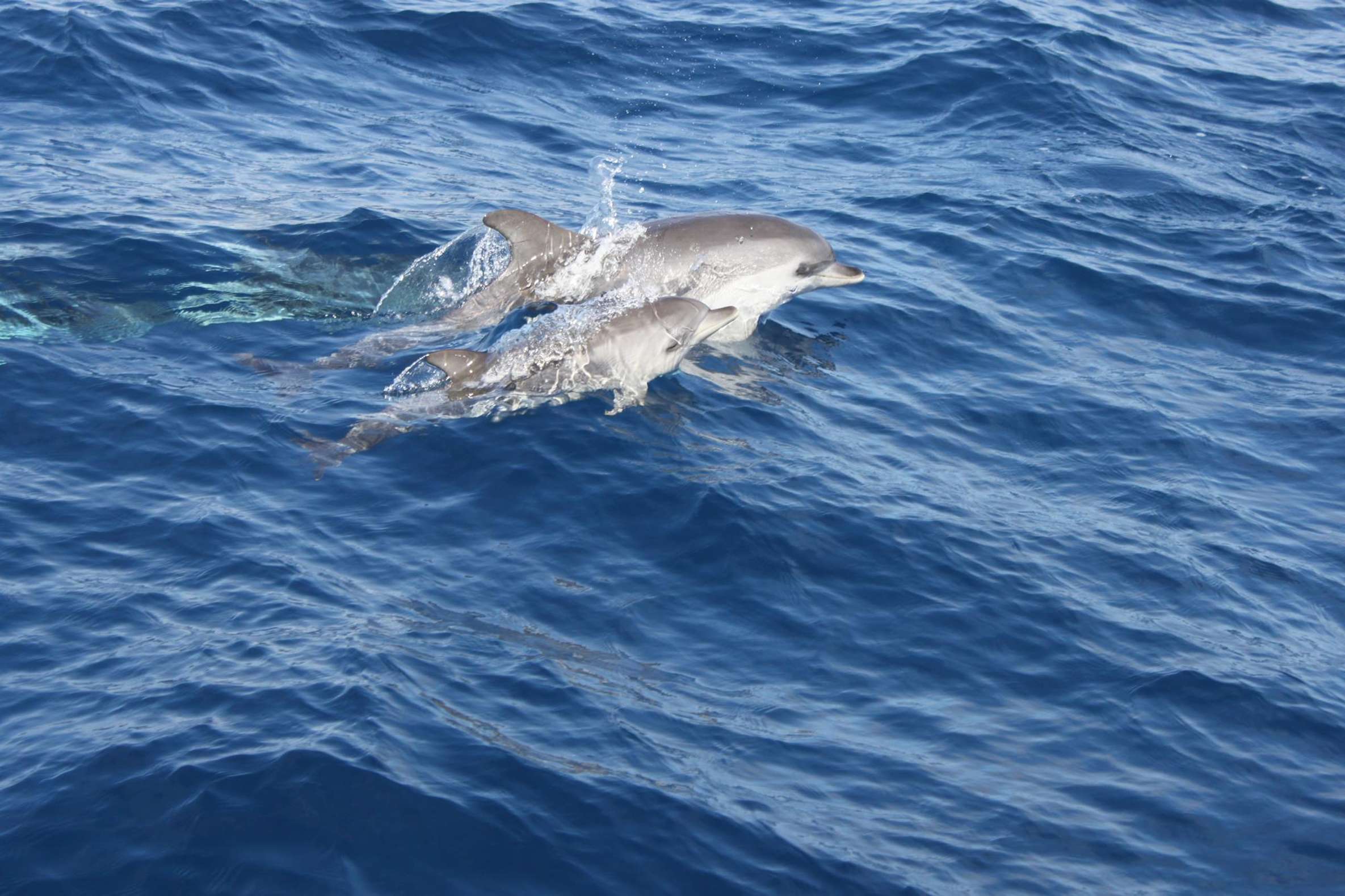
A dark fin breaks the surface a few hundred metres off the old harbour, then two more, and the whole boat goes quiet. Pods riding alongside the hull is what people came for, and out here it happens often enough to plan around.
The recent tally reads well: of the dolphin departures people reported around Lanzarote, 31 of 44 came back with sightings and 13 with an empty sea. That counts reviewed trips with particular operators, and no published success rate exists for any boat, so read it as a strong recent record rather than a promise.
The reason this coast works is simple: short-finned pilot whales, common bottlenose dolphins and Risso's dolphins all hold resident pods in the deep channel between Lanzarote and Fuerteventura, and sperm whales keep a permanent presence there too. No migration season to chase.
Sightings still depend on weather, sea conditions and wild animals that go where they like, so no refund comes if the sea stays empty, and no operator reschedules either. Whales, for what it matters, show up far less often here than around Tenerife or La Gomera.
What people wrongly assume about dolphin trips here
MythDolphins are rare off Lanzarote, you might sail for hours and see nothing at all
Reality
Resident pods live in the deep channel year round, and most of the recently reported departures found dolphins alongside the boat
MythA sunset trip finds more dolphins than a morning one
Reality
Operator notes put sighting chances at similar levels across the day, and regulars favour mornings for the calmer water and the better light
MythYou can count on a swimming-with-dolphins moment
Reality
Spanish law forbids entering the water near wild cetaceans, so watching happens from the boat only
Tour for this
Lanzarote: Lobos Island Half-Day Dolphin Watching Trip4.2★ (687) · 5.5 hours · Hotel pickup · Free cancellation
What a dolphin boat trip from Puerto del Carmen is like
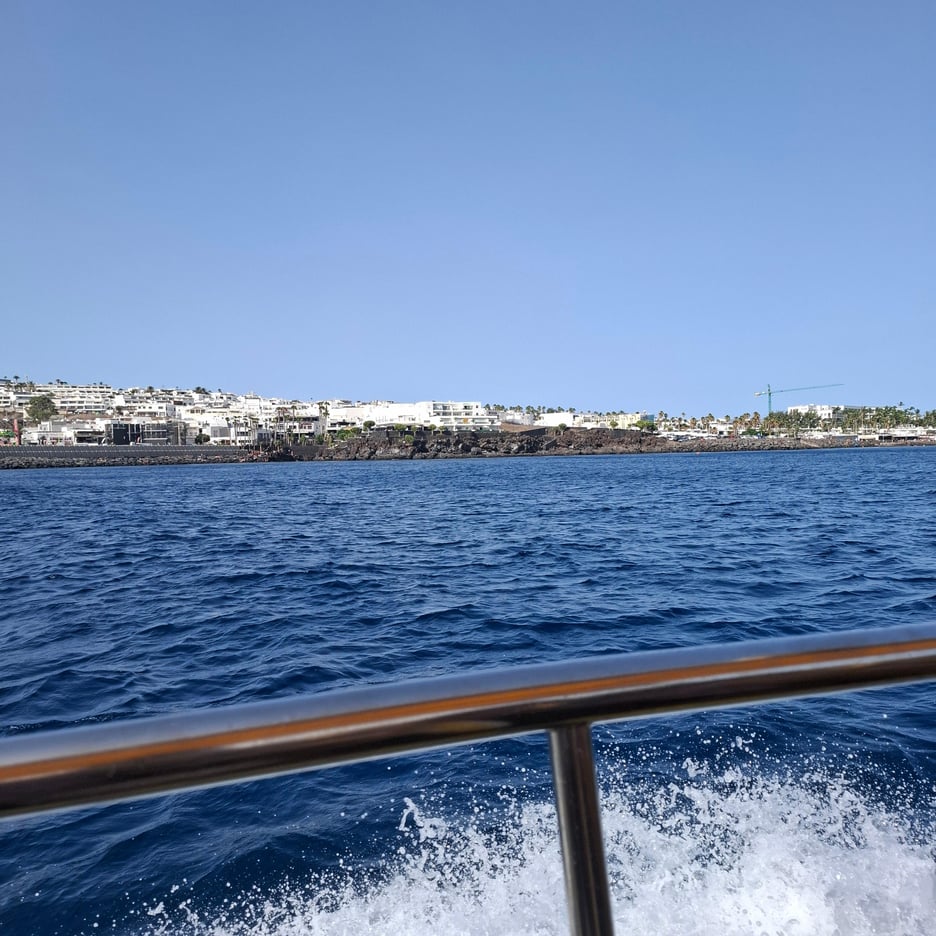
The run out of the harbour takes a few minutes past the cobbled old quarter, then the volcanic seabed shelf drops away.
Submerged lava flows built that steep wall directly south of the resort, and it is why boats only need to go about three nautical miles offshore to reach the deep water where pods feed.
Once there, the crew works at a steady search, and the rules hold firm: no boat approaches closer than the distance the marine codes set, and no passenger gets in the water.
Swim within 60 metres of a wild dolphin and Spanish law treats it as harassment, with fines that run into the tens of thousands. The sunset cruise from this harbour skips swimming stops entirely.
The story of a trip has a shape to it, and it runs the same way on most boats out of this port.
How a trip out of the harbour unfolds
1
Leaving the harbour
Boats clear the old town pier and head south along the coast
The town falls away fast, replaced by volcanic cliffs
2
The run offshore
About three nautical miles out, the seabed shelf drops into deep water
This is where resident pods come to feed
3
The search
Crews watch for fin breaks and holding patterns
Morning light makes a dorsal fin break easy to pick out
4
The sighting
Pods often cruise alongside at a legal distance
Nobody leaves the boat, whatever the photos promise
5
The return
A steady cruise back towards the resort lights
Book an hour for dinner on the waterfront afterwards
That last line matters more than it looks. The trip itself runs two to three hours, and the walk from the quay to a waterfront table is minutes, so an evening at sea slots neatly into the rest of the day.
Tour for this
Lanzarote: 2.5-Hour Sunset and Dolphins Cruise4.2★ (1,734) · 2.5 hours · Hotel pickup · Free cancellation
The best month and hour for dolphin watching in Puerto del Carmen
Dolphins never leave. Common bottlenose pods turn up in every month of the year, so the calendar matters for how the water sits, and the sea settles from March through October. That is when a dorsal fin break shows at eye level far more often than in the rougher winter months.
The hour matters more than the month. Before about 10 am the northeast trades have not yet got going, the surface sits flat, and the low sun catches every fin break.
By afternoon the trade winds funnel through the Bocaina Strait between Lanzarote and Fuerteventura and raise a short, steep chop that bounces boats and forces reroutes into sheltered bays. A boat that leaves before mid-morning reads flat water for most of its run.
The monthly pattern is worth a quick look, because the difference between a June run and a February one shows up in the numbers.
Bocaina Strait boat conditions and trade winds by month
July: 5 out of 5 for how busy it gets. Peak summer crowds encounter strong afternoon trade winds, making morning departures the smoothest option to avoid rough strait crossings.
HighestJul to Sep
In betweenApr to Jun, Oct
LowestNov to Mar
Darker: a higher how busy it gets score, out of 5
Tap a month to read it.
June: calm sea on 99% of days. Summer crowds build with calm base waters, while afternoon trade wind acceleration creates bumpy sea conditions on return trips.
HighestMay to Oct91 to 99% of days
In betweenApr, Nov to Dec76 to 82% of days
LowestJan to Mar58 to 71% of days
Darker months: higher, from 58 to 99% of days
Tap a month to read it.
March: waves up to 1.5 m on an average day. Tours see moderate crowds with higher ocean swells, where morning cruises enjoy far calmer crossings than windy afternoon return legs.
HighestDec to Mar1.3 to 1.5 m
In betweenApr, Nov1.1 to 1.2 m
LowestMay to Oct0.9 to 1 m
Darker months: higher, from 0.9 to 1.5 m
Tap a month to read it.
April: 0.6 windy days. Spring tour crowds pick up as seas calm, though afternoon trade winds begin building noticeable chop across the strait.
HighestJan, Apr to May0.4 to 0.6 days
In betweenFeb to Mar, Jul, Sep0.2 days
LowestJun, Aug, Oct to Dec0 days
Darker months: higher, from 0 to 0.6 days
Tap a month to read it.
Read the figures as calm days counted on the southern sea across each month: June to September sits at or near nineteen calm days in twenty, March and April closer to six or seven in ten, and the tallest Atlantic swells of the year arrive around March.
Whatever the month, the same day's morning slot beats its afternoon.
Tour for this
Lanzarote: Dolphin-Watching Sunset Cruise with Transfers4.2★ (3,277) · 2 hours · Hotel pickup · Free cancellation
Sunset or daytime dolphin cruise in Puerto del Carmen
Daylight cruises buy you a swim stop. Midday trips out of the harbour anchor under full sun in water warm enough to want it, and that half hour in the sea is what children talk about on the walk home.
Evening trips run a different agenda. The swim stop goes, and in its place you get the coastline turning copper, drinks on deck, and a different kind of mood. Sighting chances are comparable across departures in the operator's own notes, and regulars say mornings simply make the spotting easier on the eye.
What changes for real is the temperature: once the sun drops, the open water chills quickly, and people who went in summer still talk about digging out layers for the ride home.
Departure times shift with the light. Winter sunset cruises sail around 4 pm, summer ones two hours later, because vessels have to be back near dusk.
Cruise formats and water conditions across the day
Morning10:30 am to noon
Morning departures run under rising daylight with strong cetacean sighting opportunities.
Middaynoon to 2 pm
Midday cruises take advantage of the warmest sun to combine dolphin searches with a swimming stop.
Sunset Peak4 pm to 8:30 pm
Evening tours skip swimming for sunset views and drinks, but require jackets as sea air cools quickly.
QuietBusyThe busiest
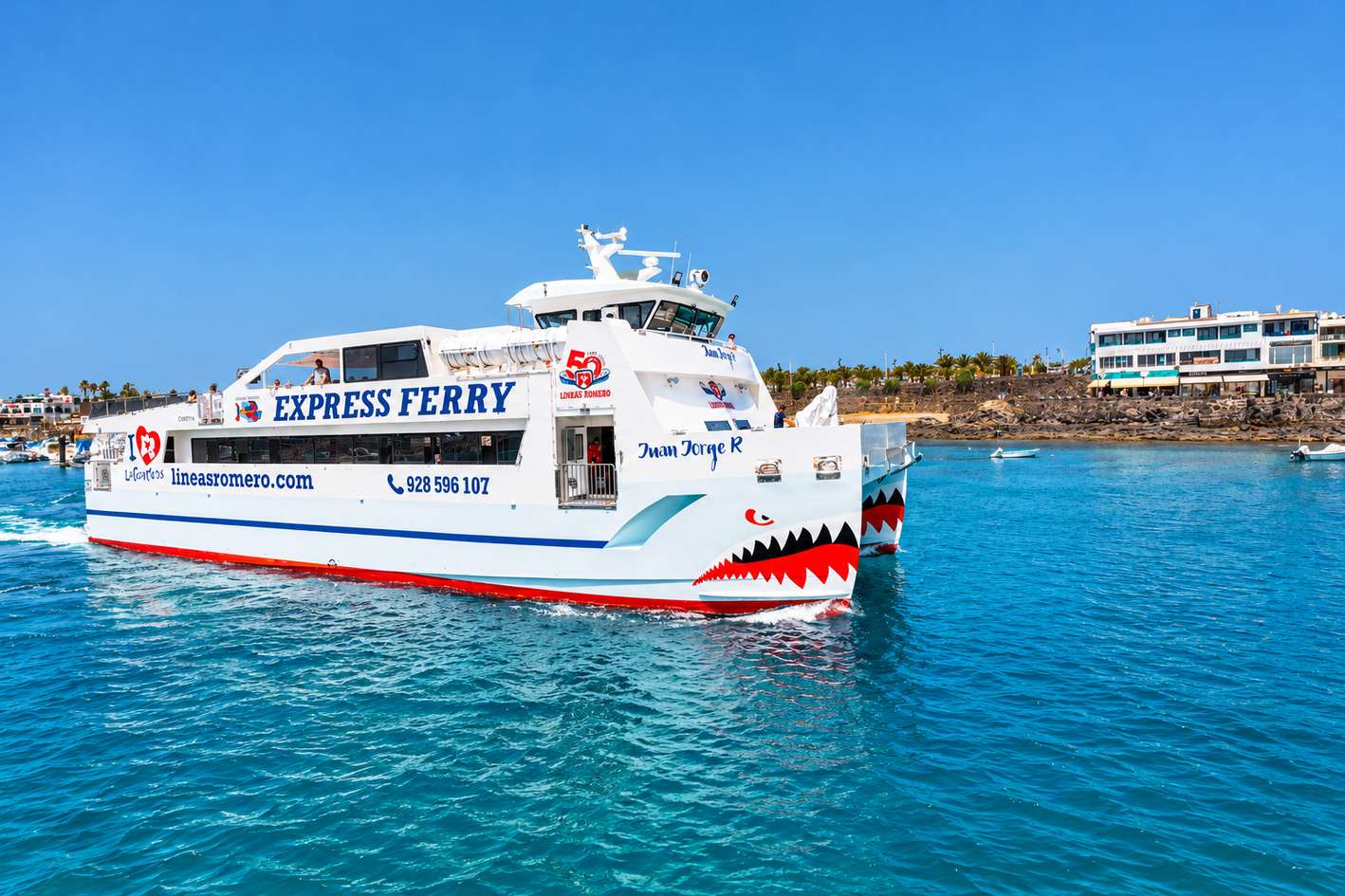
If the evening suits you, the Lanzarote Sunset Experience with dolphin spotting runs 2.5 hours out of nearby Puerto Calero on a silent electric catamaran, with snacks and drinks aboard and a hydrophone that may pick up whale and dolphin sounds underwater.
It books best for couples and anyone who wants the quiet version of the golden hour.
A traveler's note
Lovely musical excursion with Teddy, our attentive, funny guide. We saw dolphins with his detailed explanations in perfect French. Picnic and island map included. Fun, lively ride back.
The hull decides the day. A fast speedboat covers water quickly and puts you right in the search, but in open Atlantic swells it bounces, and that is when waterproof pouches and a steady stomach earn their place.
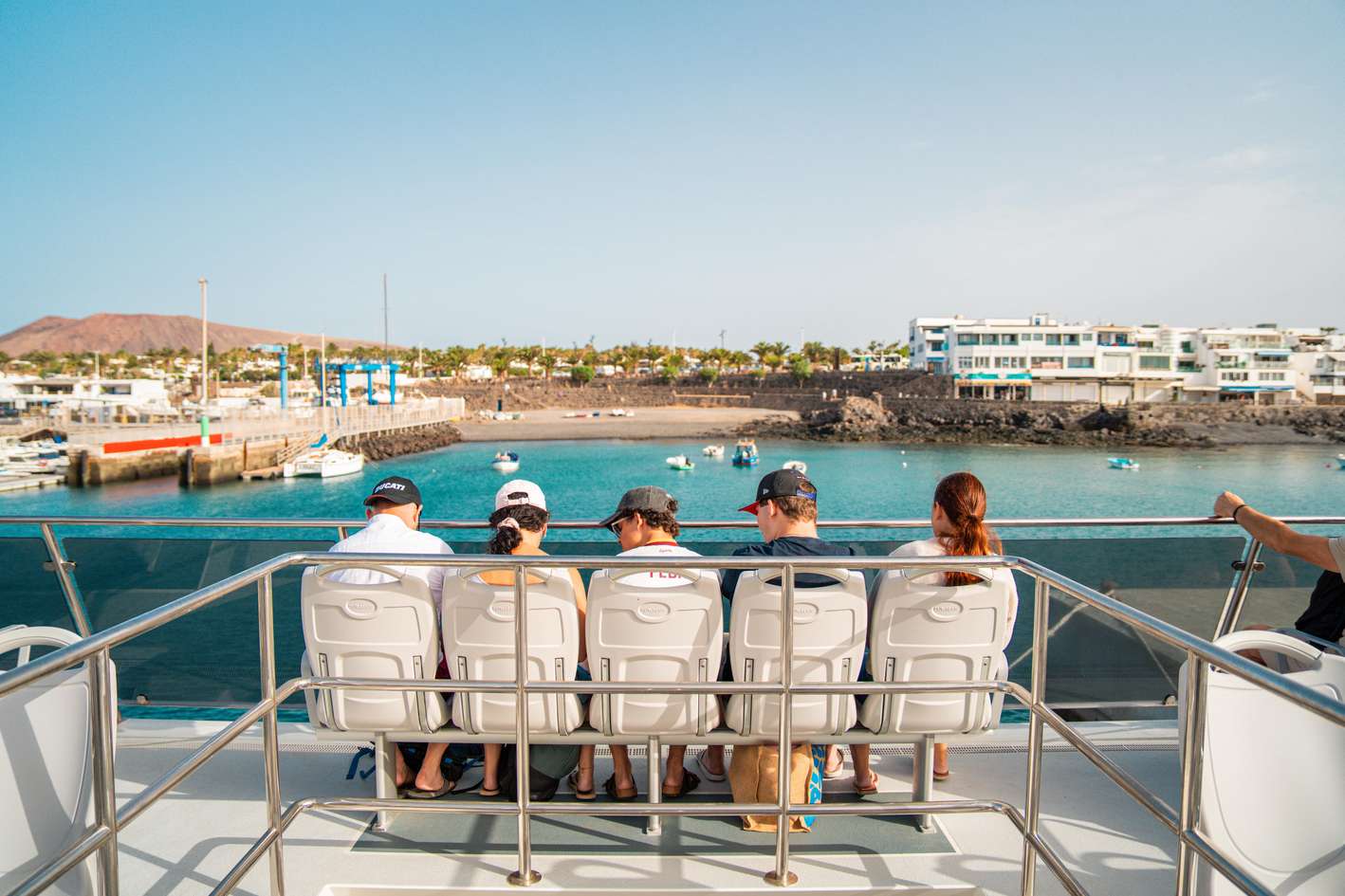
A catamaran spreads out instead: wide decks, room to lie down, and usually a swim stop in a sheltered bay with kayaks and paddleboards on the rack.
Two other things separate the boats. Go with a skipper who keeps a respectful distance, because wild animals that get crowded simply leave, and the boats flying the official yellow Barco Azul flag are the ones licensed to sustainable watching rules.
And pick a trip that stays enjoyable even with an empty horizon: coastal views, drinks and a meal on board mean the morning still earns its keep if the pods are elsewhere.
The two hulls side by side come down to a handful of everyday differences.
Speedboat sea safari versus wide-beam catamaran
Speedboat sea safari
Catamaran
Ride in a swell
Bumpy and quick, bring waterproof protection
Steady and wide, easy to walk around
Swim stops
Rare, the focus stays on the search
Usually one, with water toys and sheltered bays
Space on board
Tight, everyone feels every wave
Decks to spread out on, room for a picnic
Who it suits
Small groups chasing the thrill
Families, mixed ages, anyone prone to motion sickness
Speedboat sea safari
Ride in a swell
Bumpy and quick, bring waterproof protection
Swim stops
Rare, the focus stays on the search
Space on board
Tight, everyone feels every wave
Who it suits
Small groups chasing the thrill
Catamaran
Ride in a swell
Steady and wide, easy to walk around
Swim stops
Usually one, with water toys and sheltered bays
Space on board
Decks to spread out on, room for a picnic
Who it suits
Families, mixed ages, anyone prone to motion sickness
If wildlife is the whole point of your day, the Lanzarote: Whale and Dolphin Watching Eco-Friendly Catamaran is the closest thing to a dedicated cruise: four hours, fully electric and silent, with a marine expert aboard, hydrophone listening, and snacks and drinks included.
It runs from Marina Puerto Calero, a short hop from Puerto del Carmen.
This is the practical win of the whole page: the boats leave from the resort you are staying in. No island-wide transfer, no pre-dawn drive, just a walk down to the old town harbour or a short hop by bus.
By bus, Line 02 runs in from Arrecife in about 40 minutes and Line 03 takes about an hour from Costa Teguise, while Line 161, the route from Playa Blanca, needs 30 to 35 minutes.
Get off at the Las Vistas stop, and the harbour is about a seven-minute walk away. Drivers do it faster, roughly half an hour from Arrecife along the LZ-2.
At the harbour itself, the meeting points follow a pattern: catamaran cruises gather at the last pier past the petrol station, and most other tours meet right in front of that station at the harbour entrance. Booked with hotel pickup, the coach drops you at the Old Town harbour and collects you again after.
One mix-up worth avoiding: when you search for providers, watch the spelling. There is a Playa del Carmen in Mexico with its own dolphin trips, and the results get tangled. Filter your searches to the Canaries before you book.
Tour for this
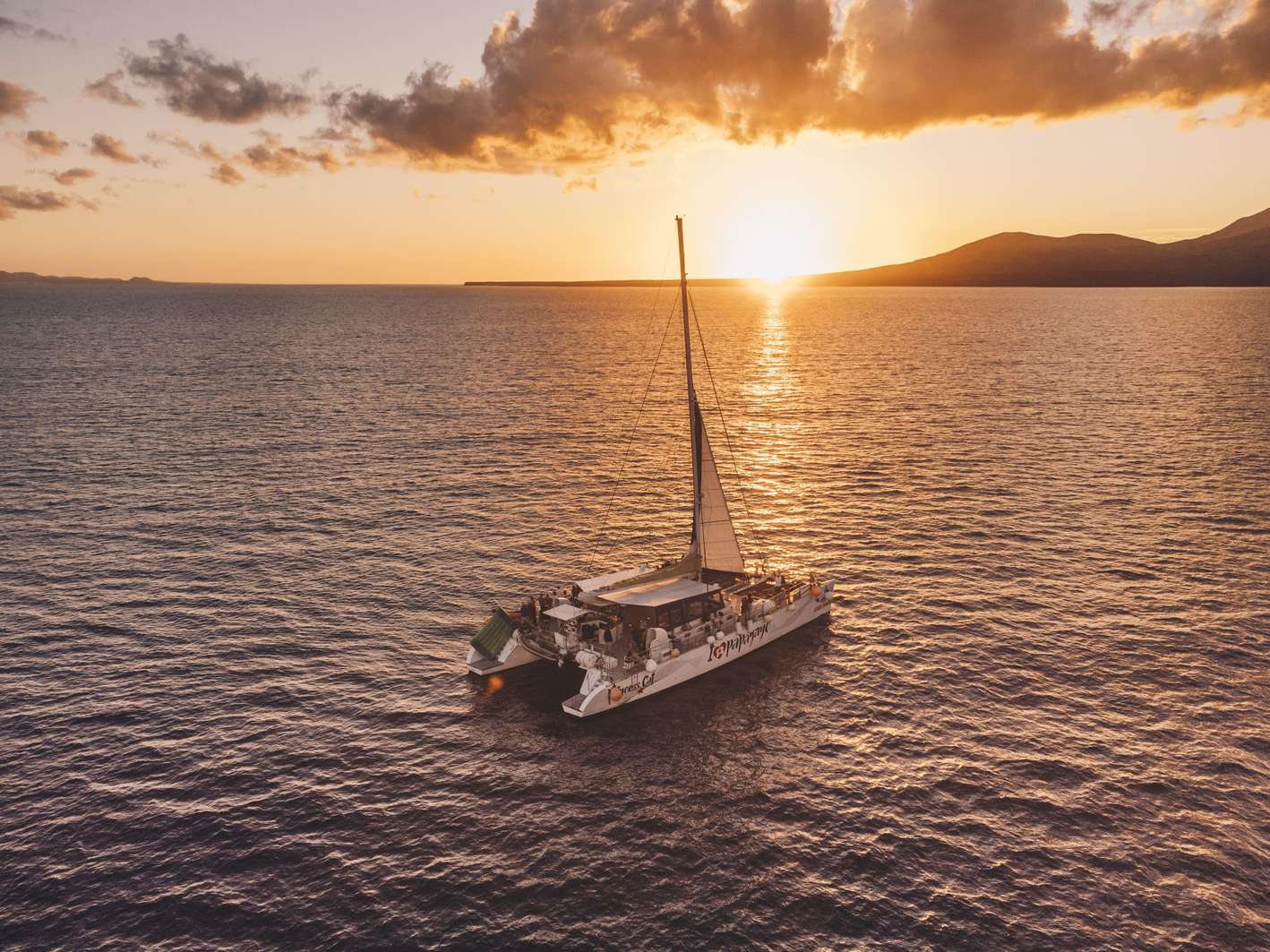
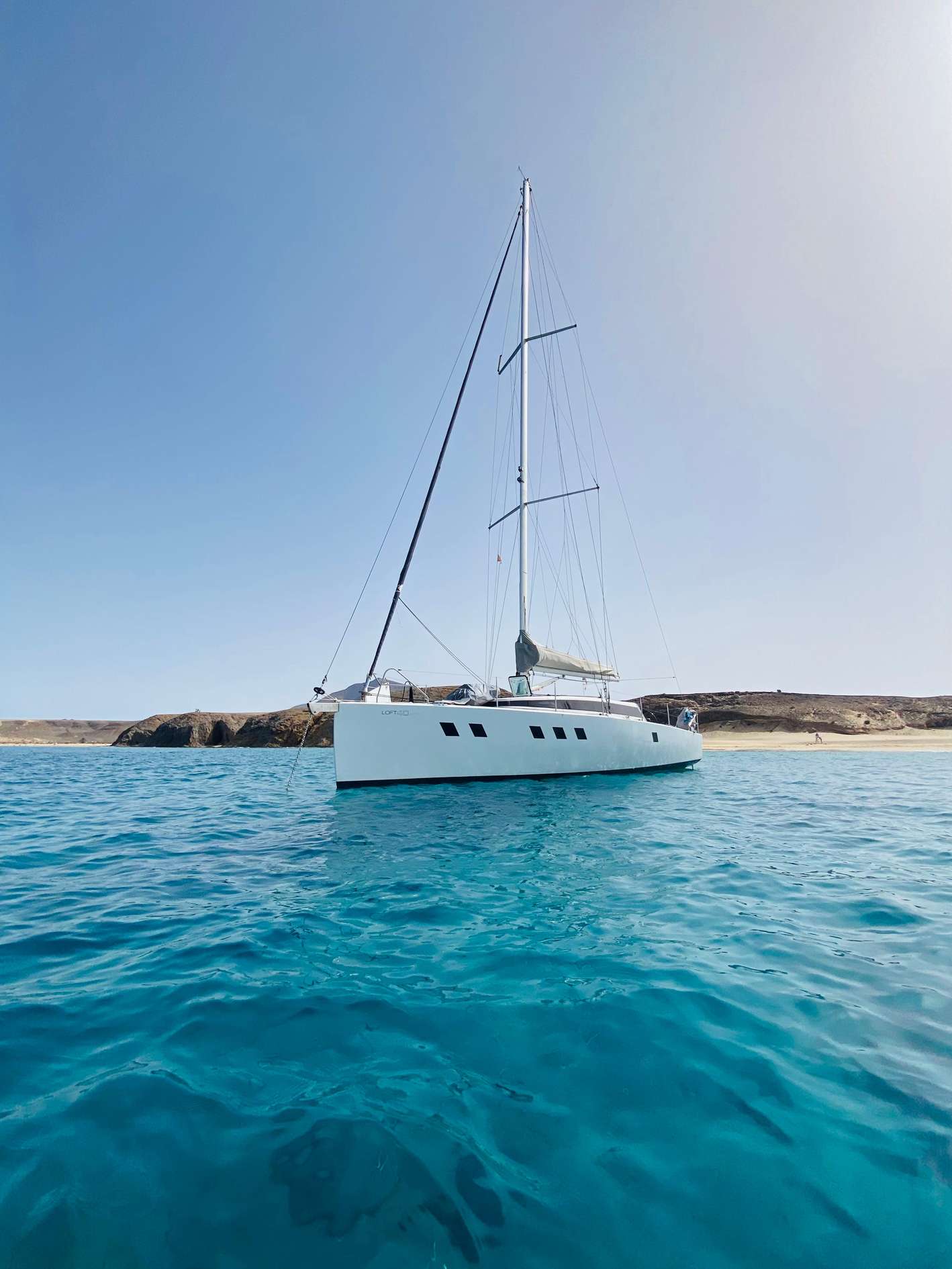
Lanzarote: Papagayo and Lobos Island on a private luxury yacht5.0★ (4)
What to wear on a Puerto del Carmen dolphin cruise
Nobody freezes at boarding and everybody is cold an hour later. The sea around Lanzarote is the North Atlantic, and the fast run back to the harbour after dark turns a warm July evening into a wind-tunnel.
The fix is three layers: a light shirt for the start, a fleece or jumper for the moment the sun goes, and a windproof jacket on top for spray and chill on the return leg.
Recommended clothing layers for evening boat trips after sunset
Light base layer or t-shirtKeeps you comfortable during daytime boarding and the warm initial stretch of the cruise before sunset.
Warm knit jumper or fleeceProvides crucial insulation against the rapid drop in temperature on the open ocean once dusk arrives.
Windproof and spray-resistant jacketBlocks ocean breezes and water spray kicked up when boats pick up speed returning to Puerto del Carmen.
Long trousersShields bare legs from the sudden Atlantic evening chill and wind drafts on open viewing decks.
Seasickness is the other preparation. The southern coast around Papagayo is the island's calmest water and rarely causes trouble inshore, but the open Atlantic has real swells, and speedboats amplify them. If you are prone, book a stable catamaran and stay where you can see the horizon, with a remedy in the day bag.
Food and drink take care of themselves. Cruises serve a welcome mojito, juice, water or champagne with pastries or a snack box, and vegetarian and vegan meals are arranged with a day's notice. Gluten-free is the one request operators will not guarantee, so plan around it if it applies to you.
Age is no barrier here. Boats leaving Puerto del Carmen welcome children of every age, babies of two or three included, and parents report toddlers sleeping soundly through the smooth stretches.
Set expectations before boarding, though: sightings depend on wild conditions, and a small child who arrives convinced of a guaranteed dolphin will remember the empty sea otherwise.
Mobility is where the trips differ sharply. The sunset cruise bans non-folding wheelchairs outright, and the speedboat dolphin runs are unsuitable for wheelchair users in general. A folding wheelchair on a wide catamaran deck is a workable compromise; check with the operator before booking, and confirm again at the gangway.
The town adds its own difficulty. Puerto del Carmen's streets climb steeply away from the waterfront, so the walk from a hillside apartment to a pickup point is a proper climb with a pushchair. Stay on the flat seafront road where you can.
When the boat comes back, the day carries on easily: the harbour water taxi to Puerto Calero, mini golf at the Biosfera centre, and the open-air rooftop cinema all sit within an evening's reach.
Weather rules for a Puerto del Carmen dolphin tour
Two cancellations exist, and they are treated differently. If high swells or a rough forecast cancel the cruise, the operator offers an alternative date or a full refund, and port closures in bad weather work the same way. Your money never sits at risk on the weather.
The second case is quieter but harder. A trip sails, the sea stays empty, and the boat comes back with nothing to show. No refund and no reschedule follow an empty sighting, because these are wild animals and every operator writes the same rule.
What you still get is the coastline, the sunset and the drinks, and plenty of people call the trip worthwhile on that alone.
The lever you control is the cancellation window. Free cancellation up to 24 hours before departure is written into each of these dolphin cruises, enough to change your mind about a rough-looking day.
What happens if plans change
If this happens
What happens then
You cancel 24 hours or more before departure
A full refund, no questions
Bad weather or rough seas cancel the cruise
An alternative date or a full refund, your choice
The trip sails but finds no dolphins
No refund or rescheduling; the coastal views, drinks and snacks still stand
The route needs to change on the day
Skippers move to calmer waters; sea conditions shape where you go
Before or after your dolphin trip in Puerto del Carmen
The harbour sits inside the old fishing quarter of La Tiñosa, and it repays the spare hour.
Waterfront terraces and seafood places such as La Lonja, El Varadero and Casa Roja look straight over the water, the cobbled streets cluster around Plaza del Varadero, and the sheltered cove of Playa Chica waits about 450 metres along.
Sights within a 20-minute walk of El Varadero harbour
Two small moves fill the rest of the day well. The coastal cliff path runs south from the harbour to Puerto Calero in under an hour, which turns a lunch into a proper walk.
And local advice says pilot whales spout in the open water from the vantage points between the harbour and Playa Chica around 8 pm, no booking involved.
Still in the mood for the water? Glass-bottom boats run out of the harbour through the local straits, where dolphins and flying fish show up beside the hull, and the scenic water taxi to Puerto Calero is the easiest way to spend another half hour on the ocean.
Back in town, the tapas bar La Rika Vinos y Tapas draws the crowd that eats away from the main strip.
A dolphin trip from Puerto del Carmen is one of the easiest good bets on the island: resident pods in the deep channel, boats leaving your own resort, and a recent run of reported sightings at 31 of 44 departures.
Book a morning slot when the sea is flat, keep the free 24-hour cancellation in your back pocket, and an empty sea still buys you a scenic cruise along the volcanic coast.
Go ifYou want wildlife without a transfer, since the boats leave your resort's own harbourYour dates fall between March and October, when calm seas make sightings easiestYou are travelling with children of any age and want a boat that welcomes them
Skip ifSomeone in your party needs a non-folding wheelchair, which the sunset cruise and speedboats do not takeYou need gluten-free catering guaranteed, since operators cannot promise itYou only book a boat if a dolphin sighting is contractually assured, because it never is
Our pick to book
Lanzarote: Dolphin-Watching Sunset Cruise with Transfers4.2★ (3,277) · 2 hours · Hotel pickup · Free cancellation
Dolphin Puerto del Carmen FAQs - answers before you book
Quick answers on sightings, departure times, and booking a dolphin tour from Puerto del Carmen.
Puerto Calero2026
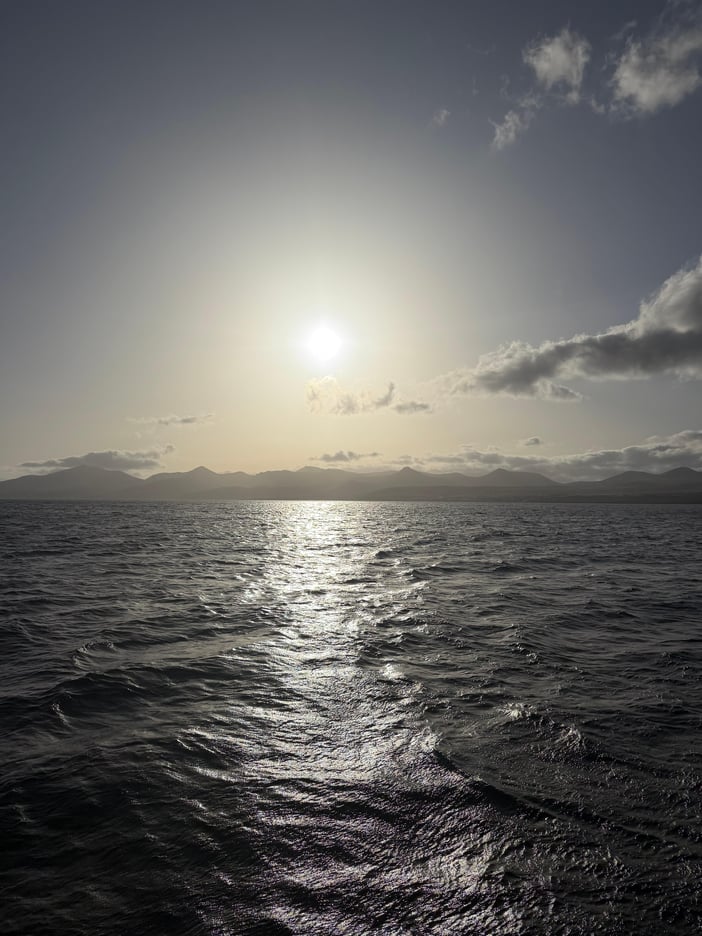
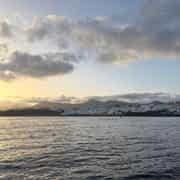
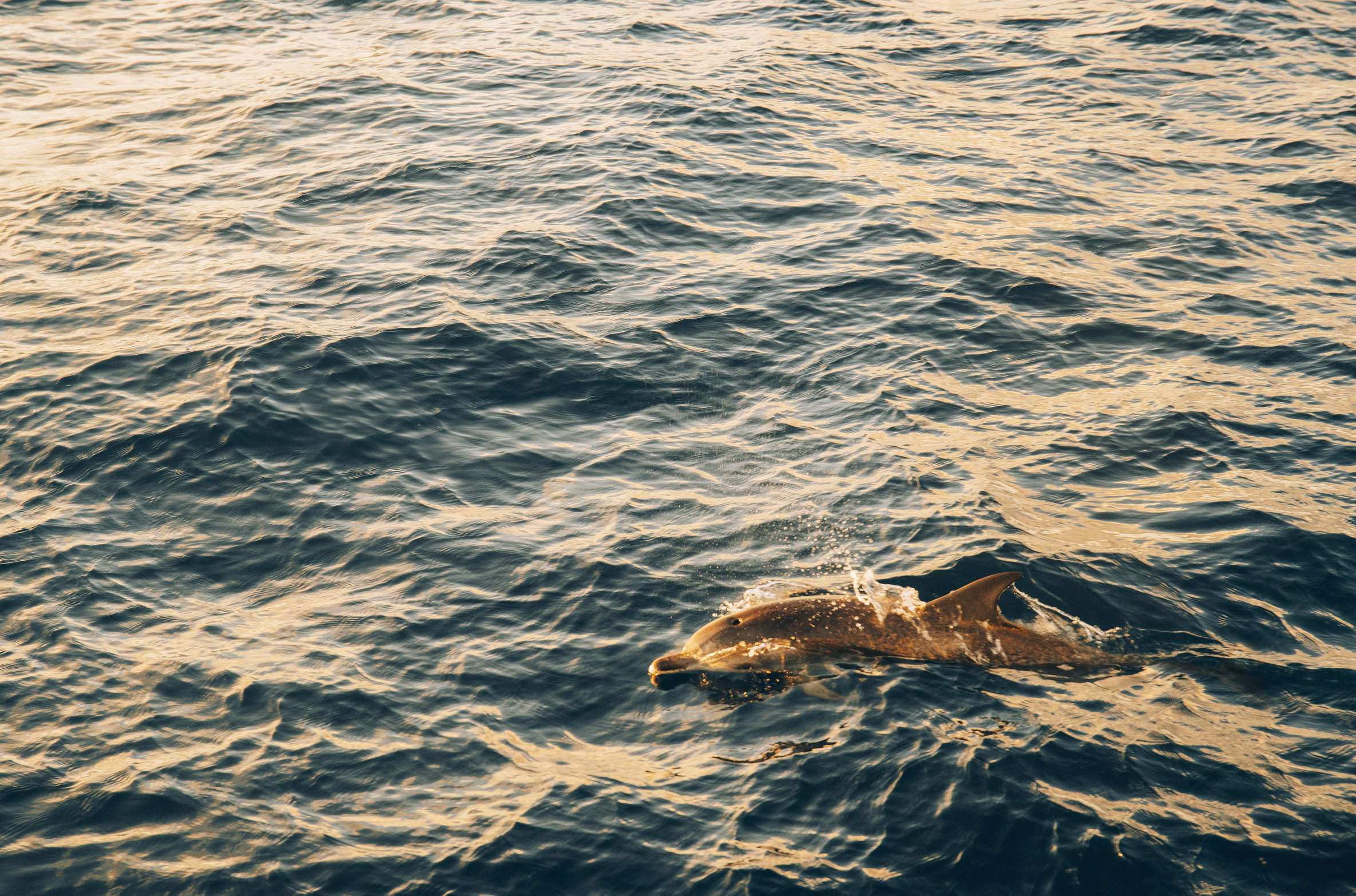
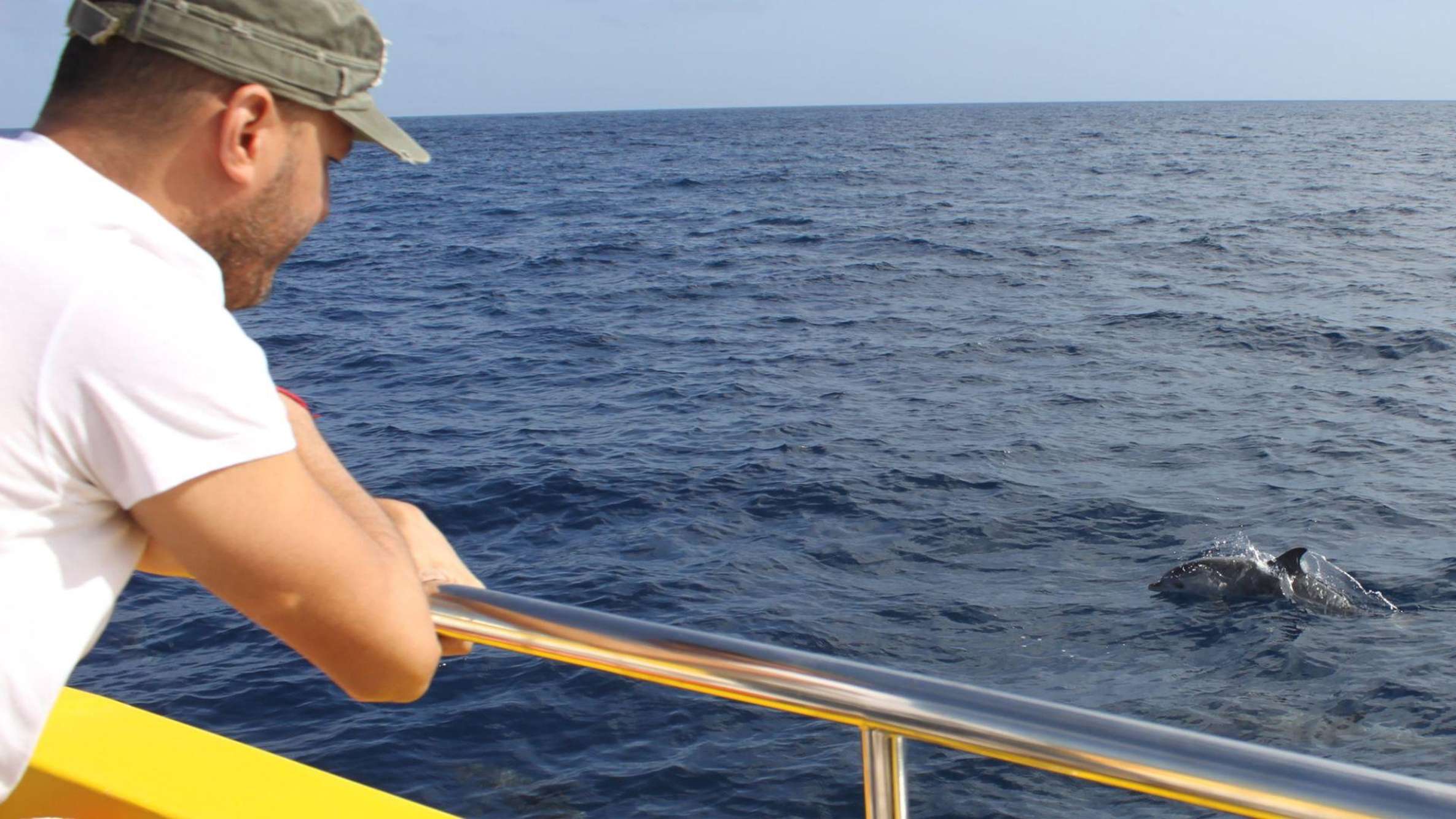
Dolphins off the old harbour, right beside the boat, with the sun going down behind the volcanoes. Book a morning sailing if spotting them matters most, and bring a jacket for after sunset.
Are wild dolphins actually seen on boat trips from Puerto del Carmen?
Yes, most recent departures report dolphins swimming alongside the boat, though some trips come back without a sighting. Skippers head about 3 nautical miles offshore to find feeding pods, and sightings are never guaranteed because the animals move freely.
What happens if we see no dolphins at all?
No refund or rebooking applies when a cruise completes without a sighting. Even so, the coastal views, the crew's commentary, and drinks on deck make the trip worthwhile on its own.
When is the best time of day to spot dolphins off Puerto del Carmen?
Early morning, before 9 am to 10 am, gives the calmest sea and the best light for spotting dorsal fins, before the afternoon trade winds build chop. Sunset cruises trade some spotting odds for golden hour on the water.
What time of year is best for dolphin watching in Lanzarote?
Dolphins live off Lanzarote all year, with resident bottlenose pods present in every month. Calm seas from March through October make surface sightings easiest, and July and August are the busiest months on the boats.
Can children and toddlers join a dolphin cruise from Puerto del Carmen?
Yes, sunset and dolphin cruises welcome children as young as 2 or 3. Speedboats can bounce in open swells, so families with the youngest children often prefer the steadier catamaran hulls.
Do Puerto del Carmen dolphin cruises include a swimming stop?
The dolphin-watching sunset cruise does not include a swimming stop; it stays focused on the sighting run and the evening views. Day catamaran trips are the ones that anchor in sheltered bays for a swim.
Can we swim with or touch the dolphins?
No. Spanish law bans swimming within 60 meters of wild dolphins, and touching marine life is prohibited on snorkeling stops. Boats watch from a distance, which keeps the pods behaving naturally.
How do the cruises operate ethically around the dolphins?
Licensed vessels fly the official yellow Barco Azul flag and follow set codes of conduct: minimum viewing distances, capped speeds, and limited observation times. Choosing a boat with that flag means the crew works to sustainable watching rules.
Which dolphins and whales live in the waters off Lanzarote?
Common bottlenose dolphins, Risso's dolphins, and short-finned pilot whales hold resident populations in the deep channel between Lanzarote and Fuerteventura, where sperm whales also stay year-round. Several cruises carry a hydrophone so you can hear them communicating.
What if the sea is too rough on the day of our trip?
Rough swells can force a cancellation, in which case you are offered an alternative date or a full refund. You can also cancel yourself up to 24 hours in advance for a full refund.
How do I get to Puerto del Carmen harbour without a car?
Bus line 02 runs from Arrecife in about 40 minutes, line 03 from Costa Teguise in about an hour, and line 161 from Playa Blanca in roughly 30 to 35 minutes. Get off at the Las Vistas stop, about a 7-minute walk from the Old Town harbour.
Dolphin tours from Puerto del Carmen and where to sail next